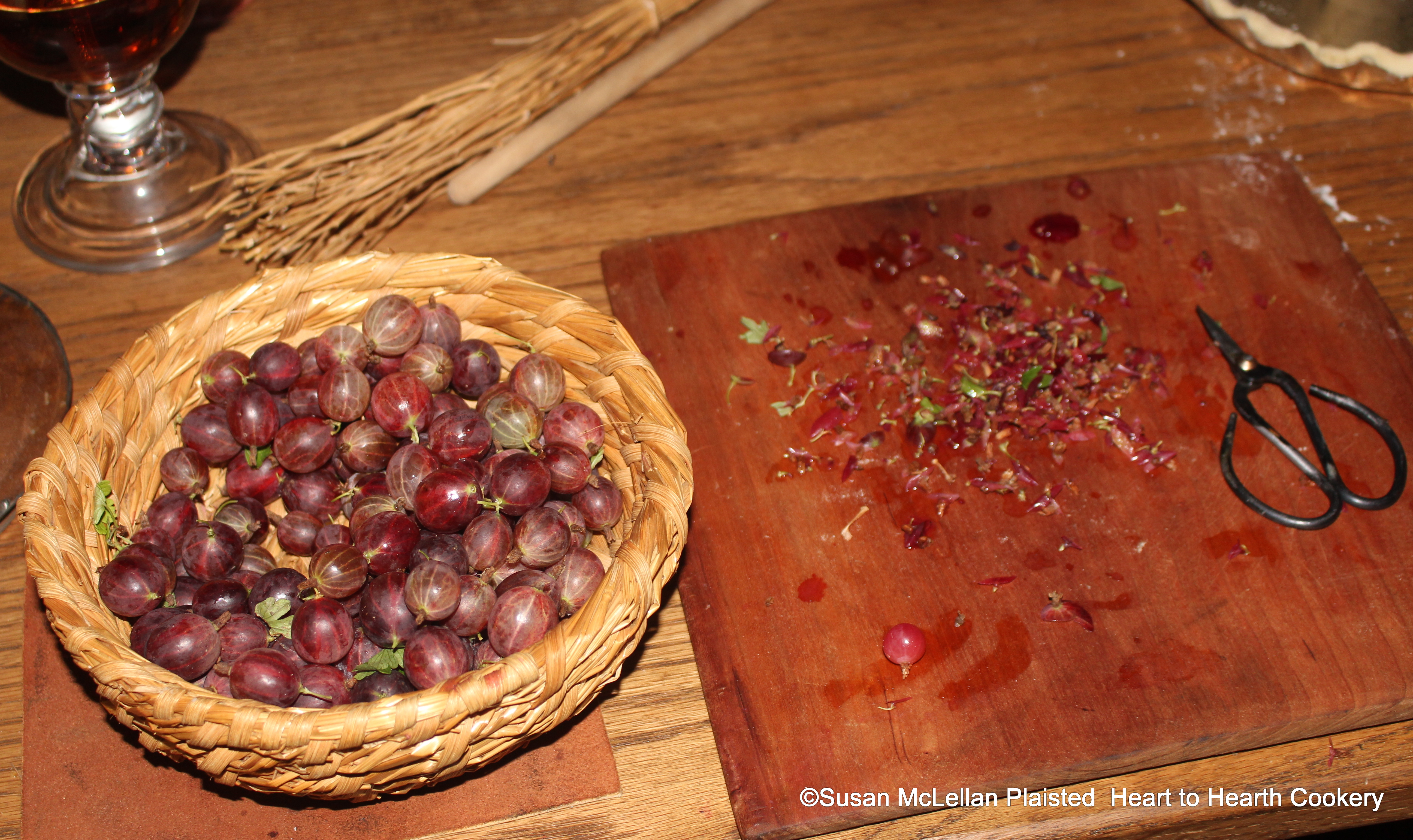
The first step in preparing the receipt (recipe) A Goose Bery Pudding is to top and tail the gooseberries. I used scissors to top and tail each berry.
Visit my website at: www.hearttohearthcookery.com
The first step in preparing the receipt (recipe) A Goose Bery Pudding is to top and tail the gooseberries. I used scissors to top and tail each berry.
Visit my website at: www.hearttohearthcookery.com
Posted in culinary history, food, food history, gooseberries, Puddings, receipts, recipes | Tags: culinary history, food, food history, foodways, puddings
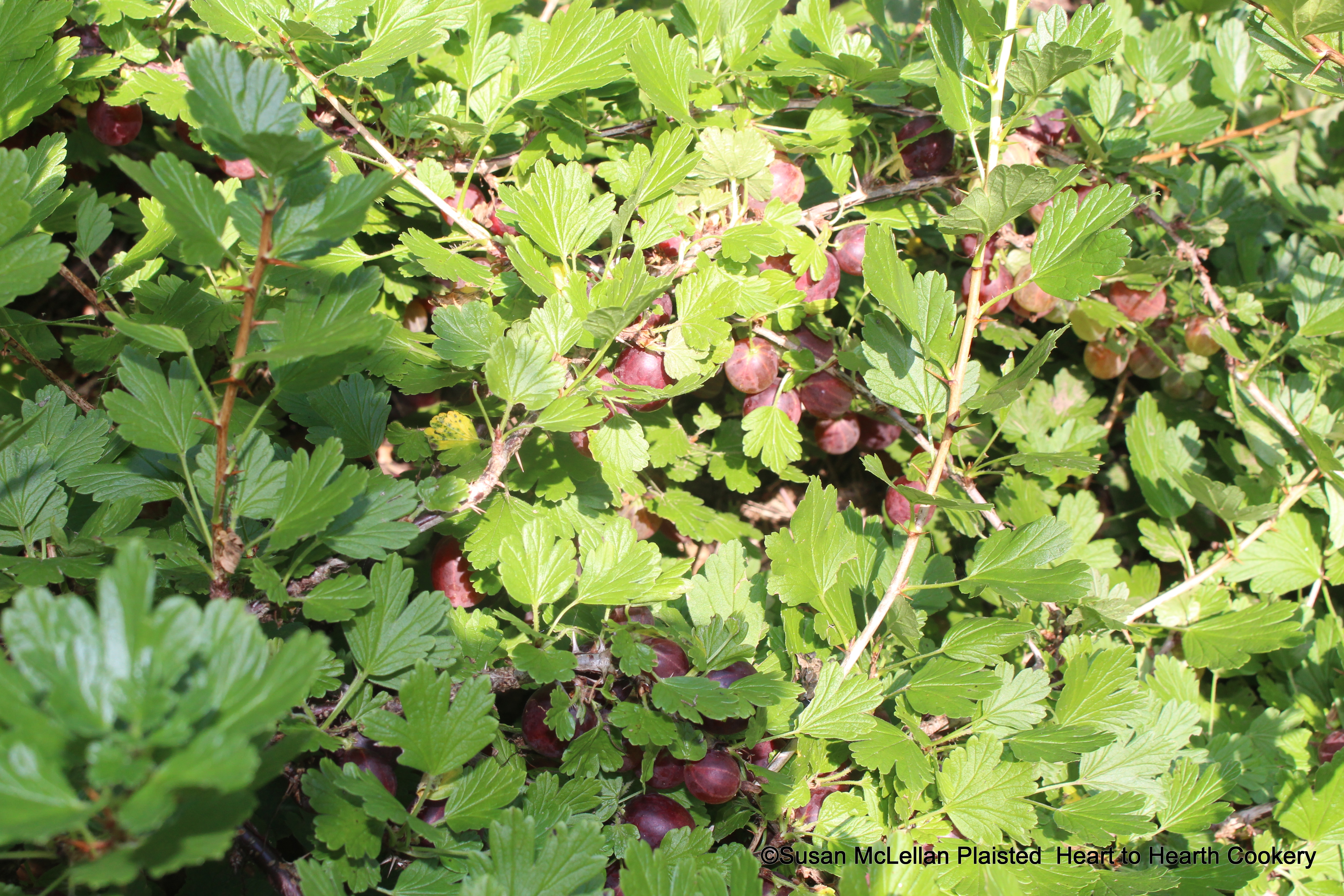
Gooseberries are a member of the Ribes species as are currants and were favored by the English. The berries both ripe and unripe were used in receipts (recipes) for tarts, sauces, puddings and bottled berries for winter use. My next 18th century receipt is A Goose Bery Pudding.
Visit my website at: www.hearttohearthcookery.com
Posted in culinary history, food, food history, gooseberries, Puddings, receipts, recipes | Tags: culinary history, food, food history, foodways, puddings
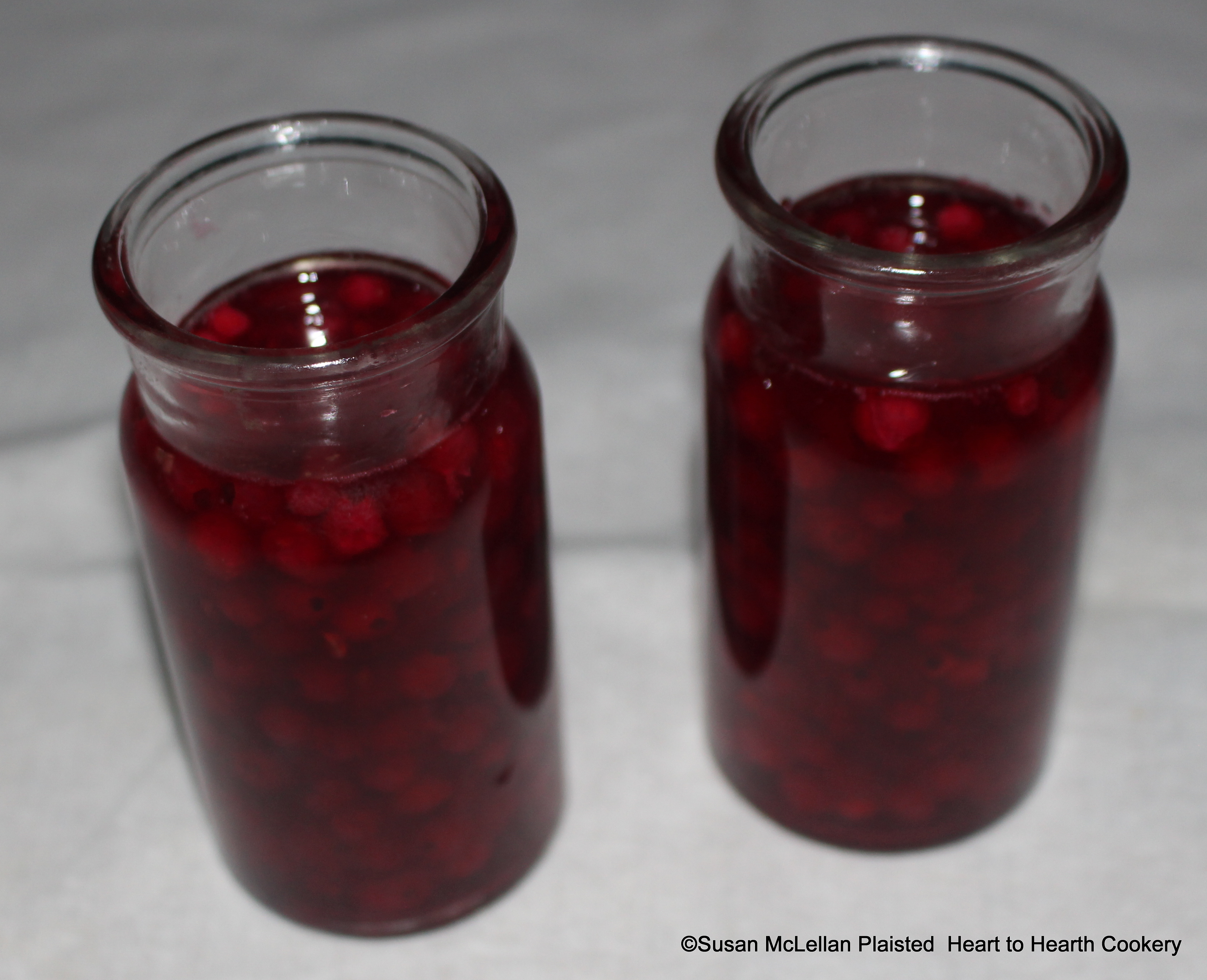
After the red currants have been boiled until clear for the receipt (recipe) To preserve red CURRANS whole let the berries cool and put them in small berry bottles, with a little mutton suet over them.
Visit my website at: www.hearttohearthcookery.com
Posted in culinary history, Currants, food, food history, Food preservation, Preserving with sugar, receipts, recipes | Tags: culinary history, food, food history, Food preservation, foodways
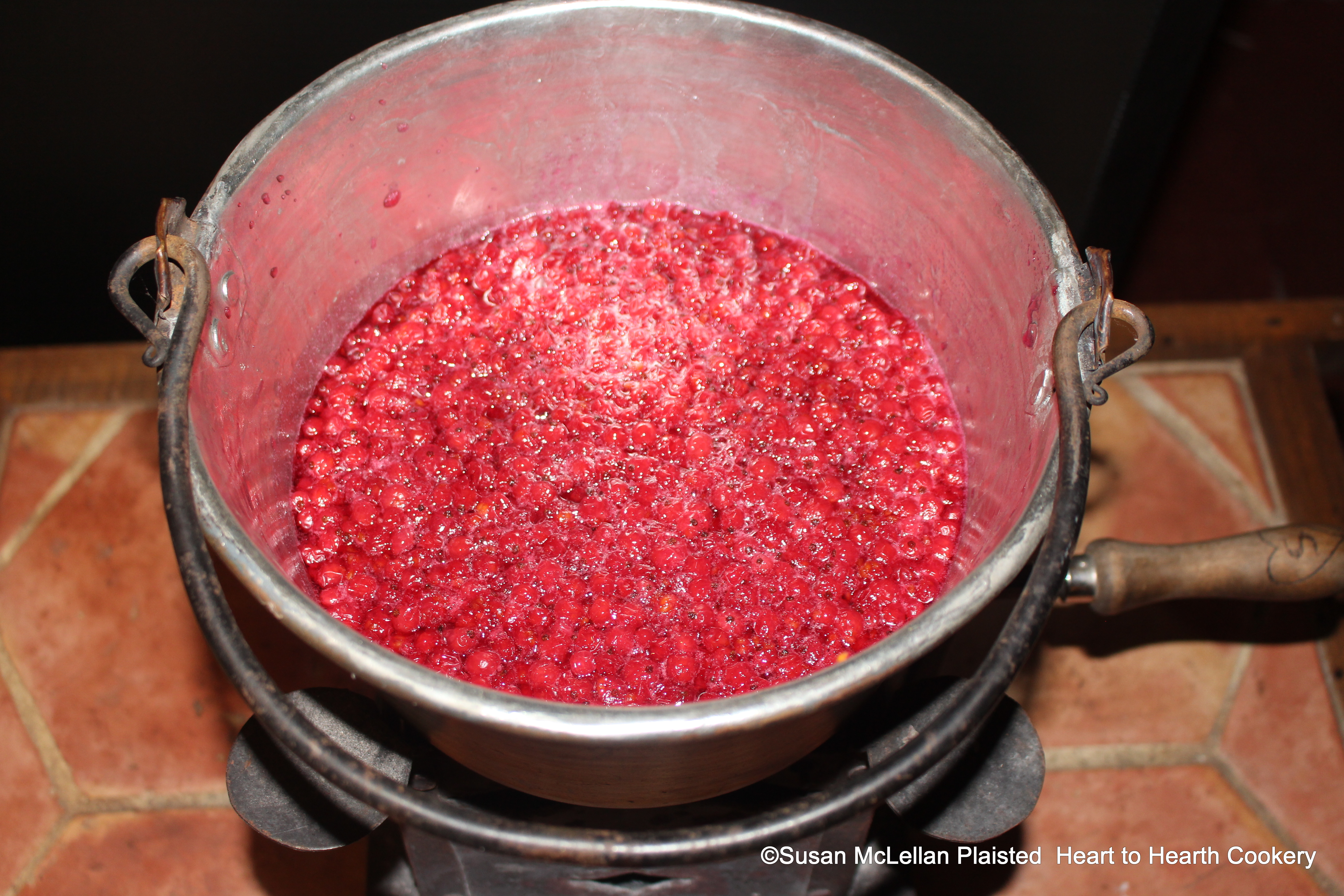
After a pound and a half of loaf sugar is added to a half pint of currant juice and the currants added for the receipt (recipe) To preserve red CURRANS whole boil them over a slow fire till they are clear.
Visit my website at: www.hearttohearthcookery.com
Posted in culinary history, Currants, food, food history, Food preservation, Preserving with sugar, receipts, recipes | Tags: culinary history, food, food history, Food preservation, foodways
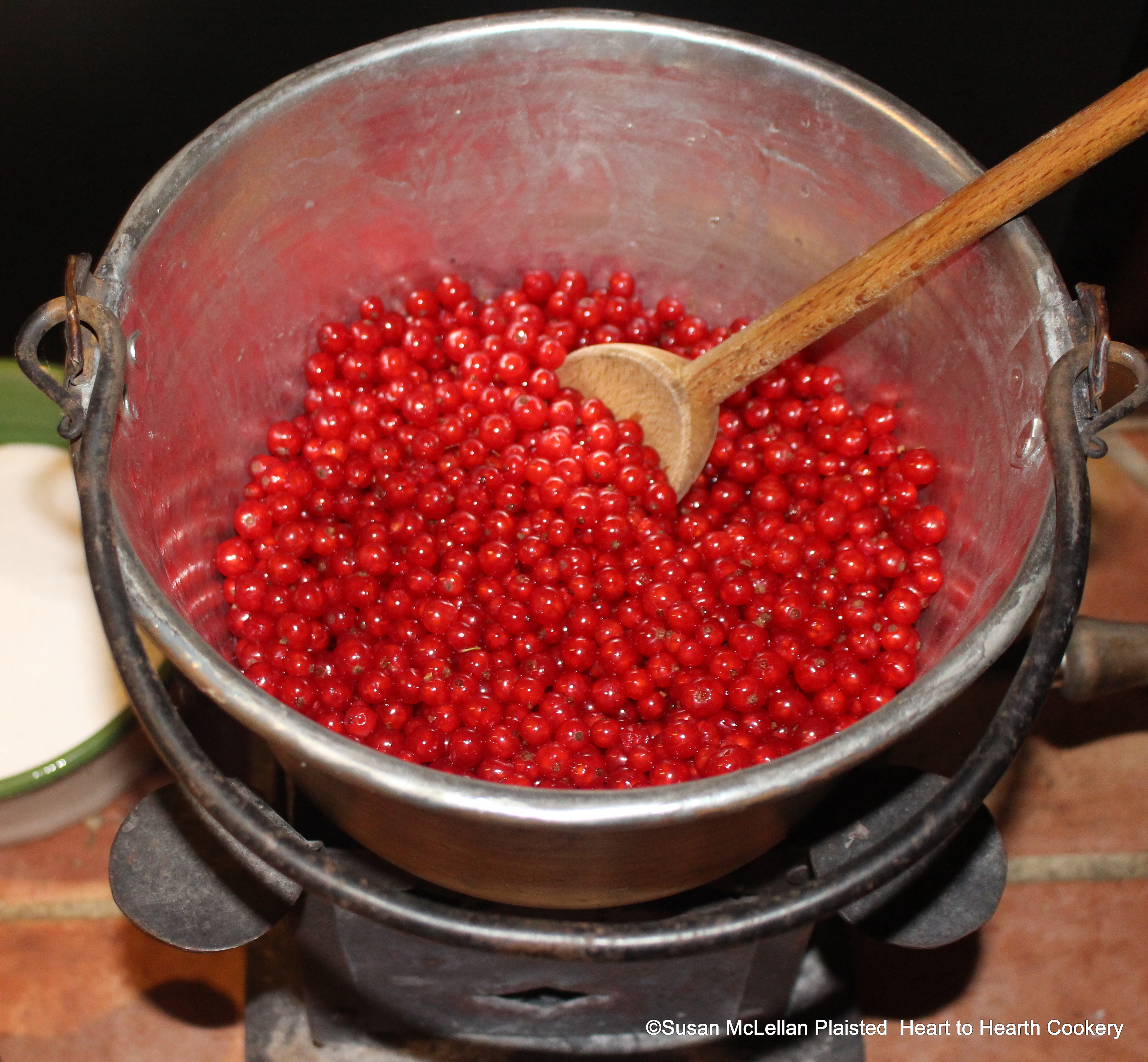
After the half pint of currant juice is added to the preserving kettle for the receipt (recipe) To preserve red CURRANS whole wet a pound and a half of loaf sugar and put in the berries. The berries are two pounds of red currants.
Visit my website at: www.hearttohearthcookery.com
Posted in culinary history, Currants, food, food history, Food preservation, Preserving with sugar, receipts, recipes | Tags: culinary history, food, food history, Food preservation, foodways

After a half pint of currant juice is made from a pound of red currants for the receipt (recipe) To preserve red CURRANS whole, the half pint is added to the preserving kettle to start the preserving process for the two pounds of fresh red currants in the rye straw basket.
Visit my website at: www.hearttohearthcookery.com
Posted in culinary history, Currants, food, food history, Food preservation, Preserving with sugar, receipts, recipes | Tags: culinary history, food, food history, Food preservation, foodways

After a pound of red currants were mashed for the receipt (recipe) To preserve red CURRANS whole, the mashed currants were strained through a linen cloth to make half a pint of curran juice.
Visit my website at: www.hearttohearthcookery.com
Posted in culinary history, Currants, food, food history, Food preservation, Preserving with sugar, receipts, recipes | Tags: culinary history, food, food history, Food preservation, foodways

After the stalks were removed from the first pound of red currants for the receipt (recipe) To preserve red Currans whole, a wood masher was used to crush the berries in the first step to prepare juice.
Visit my website at: www.hearttohearthcookery.com
Posted in culinary history, Currants, food, food history, Food preservation, Preserving with sugar, receipts, recipes, wood masher | Tags: culinary history, food, food history, Food preservation, foodways
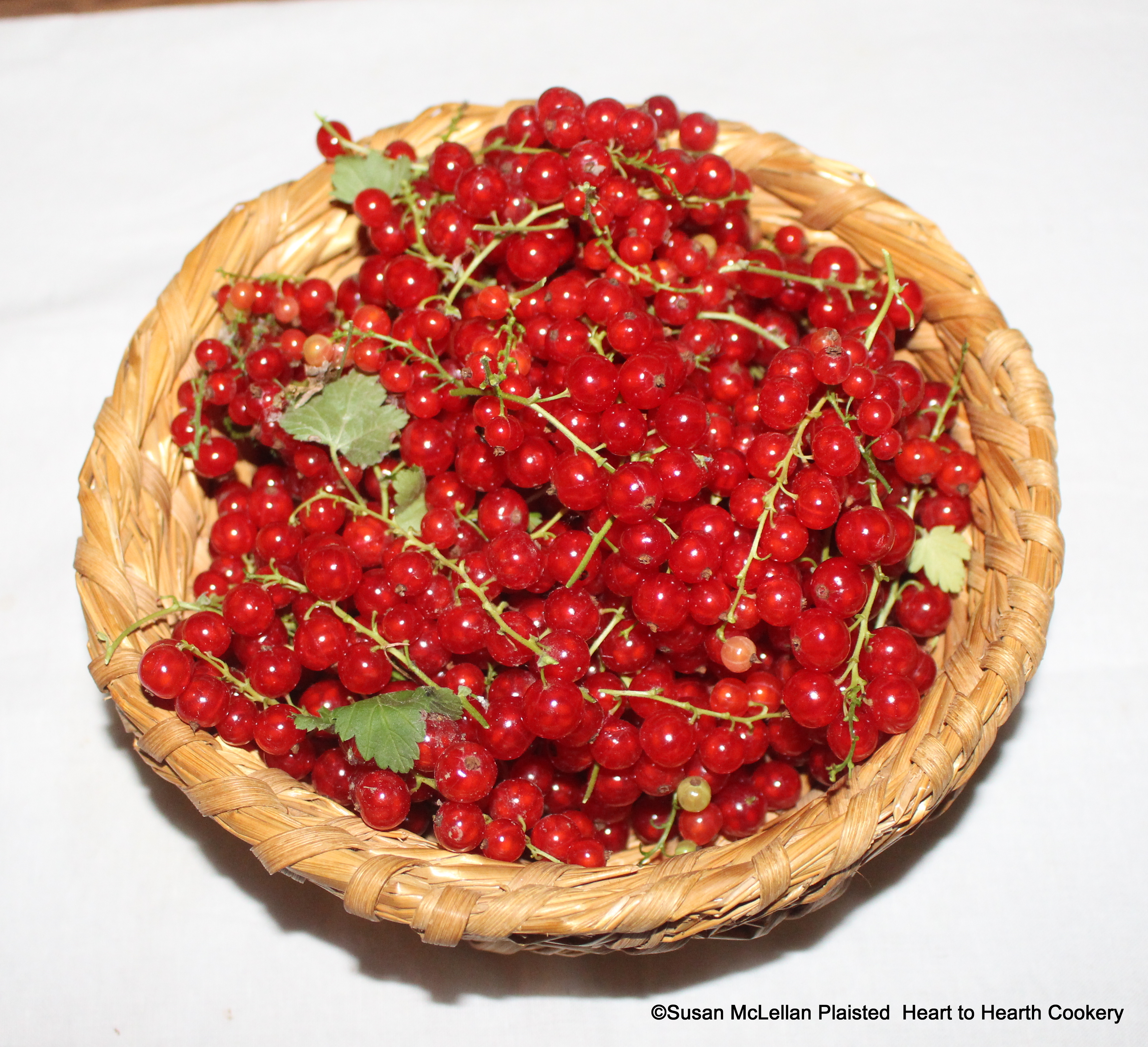
For the receipt (recipe) To preserve red CURRANS whole pick two pounds of currans from the stalks. I picked two pounds total but pictured is only one pound of currants which I removed from the stalks to make the juice for the receipt.
Visit my website at: www.hearttohearthcookery.com
Posted in culinary history, Currants, food, food history, Food preservation, Preserving with sugar, receipts, recipes | Tags: culinary history, food, food history, Food preservation, foodways
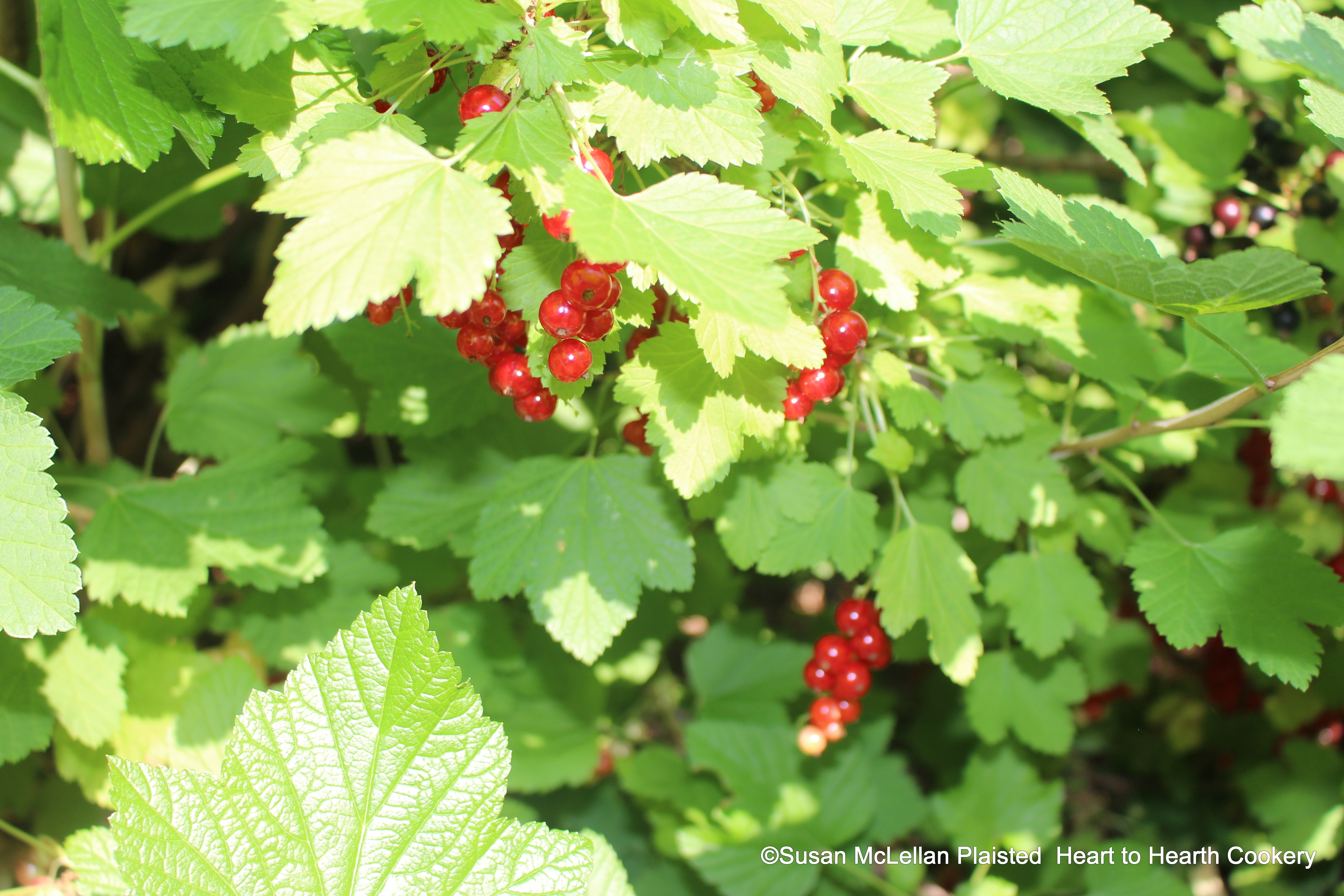
Red currants (Ribes rubrum) are grown on shrubs that produce a gem-like clusters of red fruit in June to mid-July. Europeans brought this tart, popular berry to the New World. The next receipt (recipe) is To preserve red Currans whole. The word currans and not currants was typically used in both 17th and 18th century receipts.
Visit my website at: www.hearttohearthcookery.com
Posted in culinary history, Currants, food, food history, Food preservation, Preserving with sugar, receipts, recipes | Tags: culinary history, food, food history, Food preservation, foodways
 Heart to Hearth Cookery