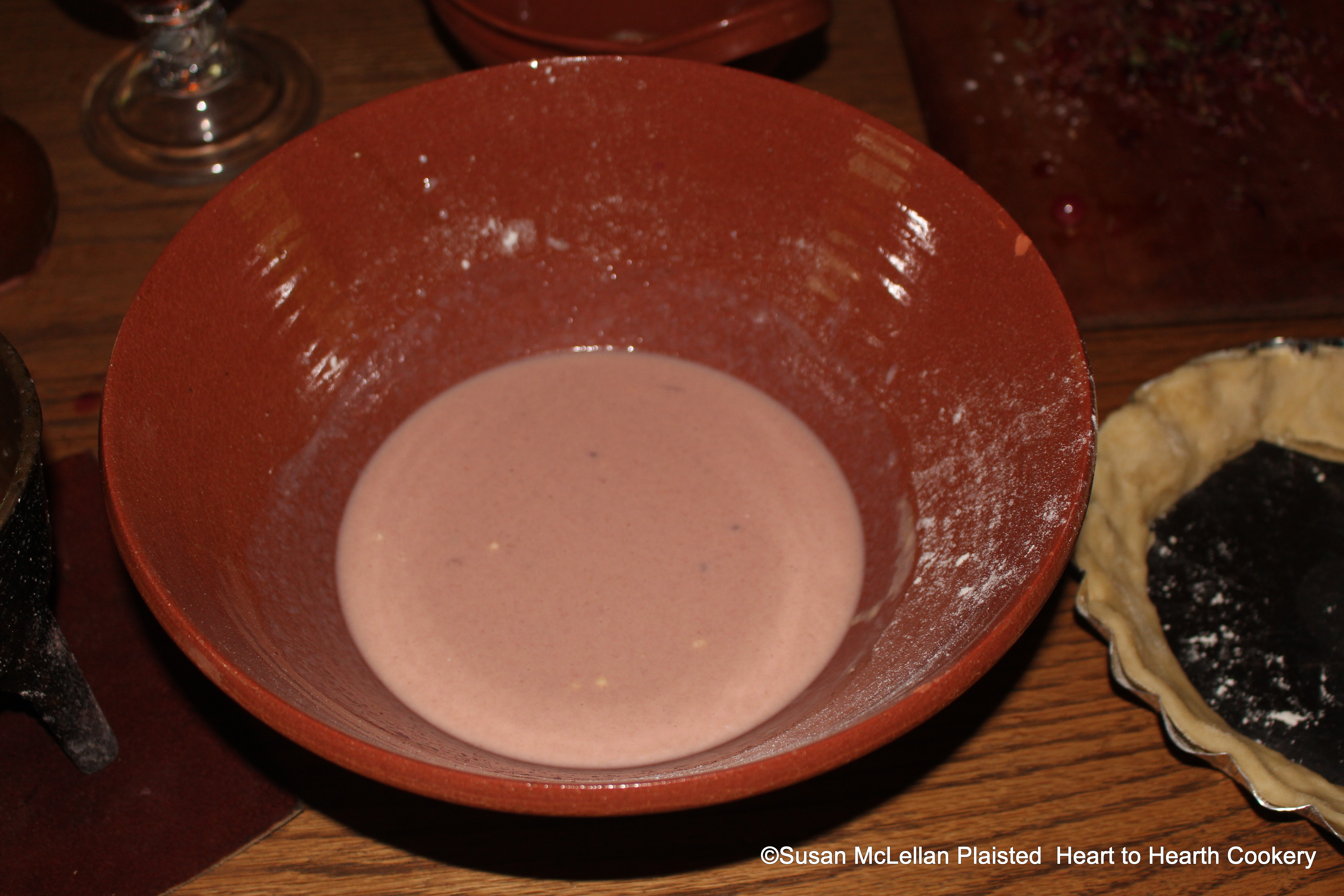
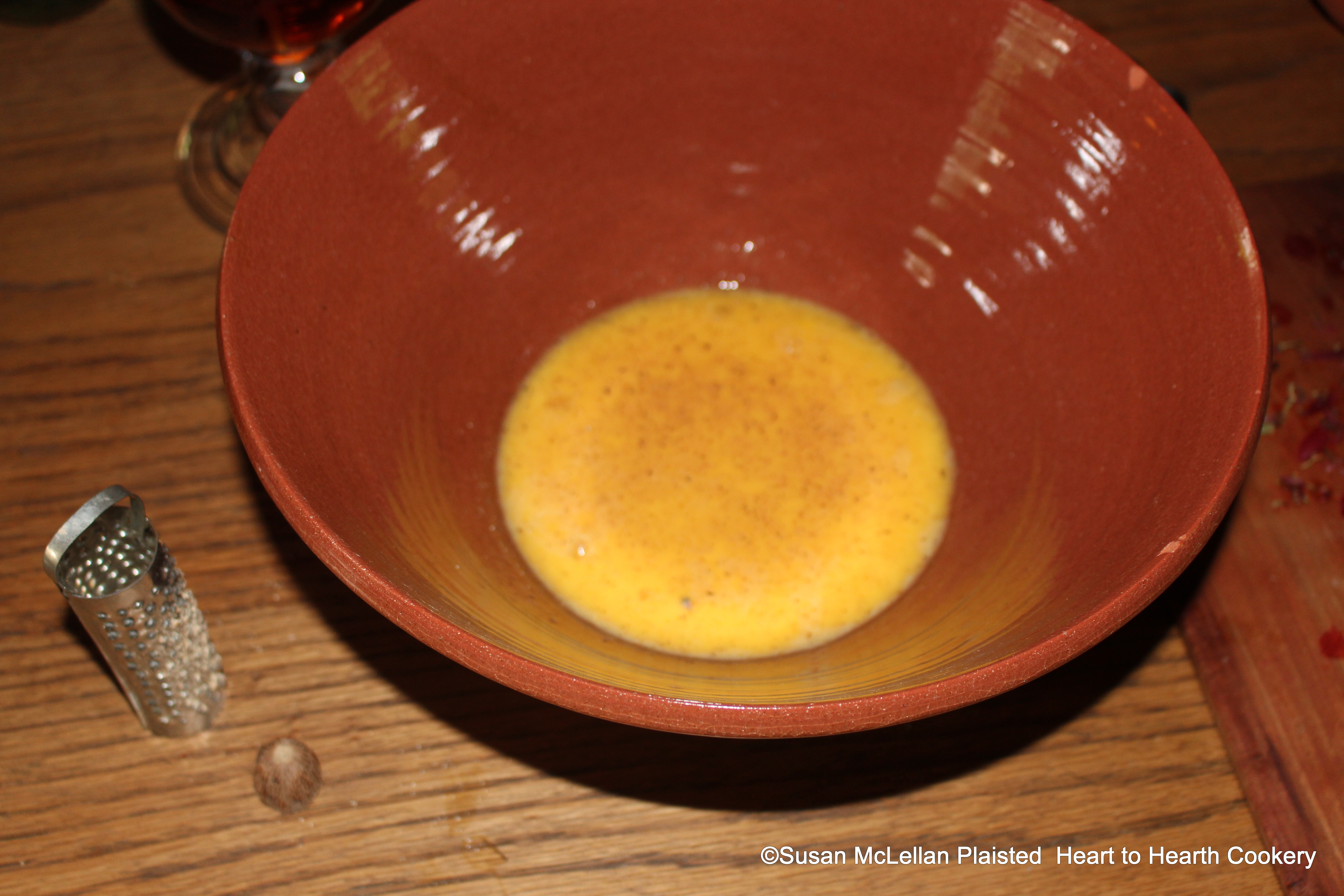
After the sugar has been added to the eggs and claret wine for the receipt (recipe) To dress Eggs in the Spanish fashion some grated Nutmeg and Salt were the next ingredients.
Visit my website at: www.hearttohearthcookery.com
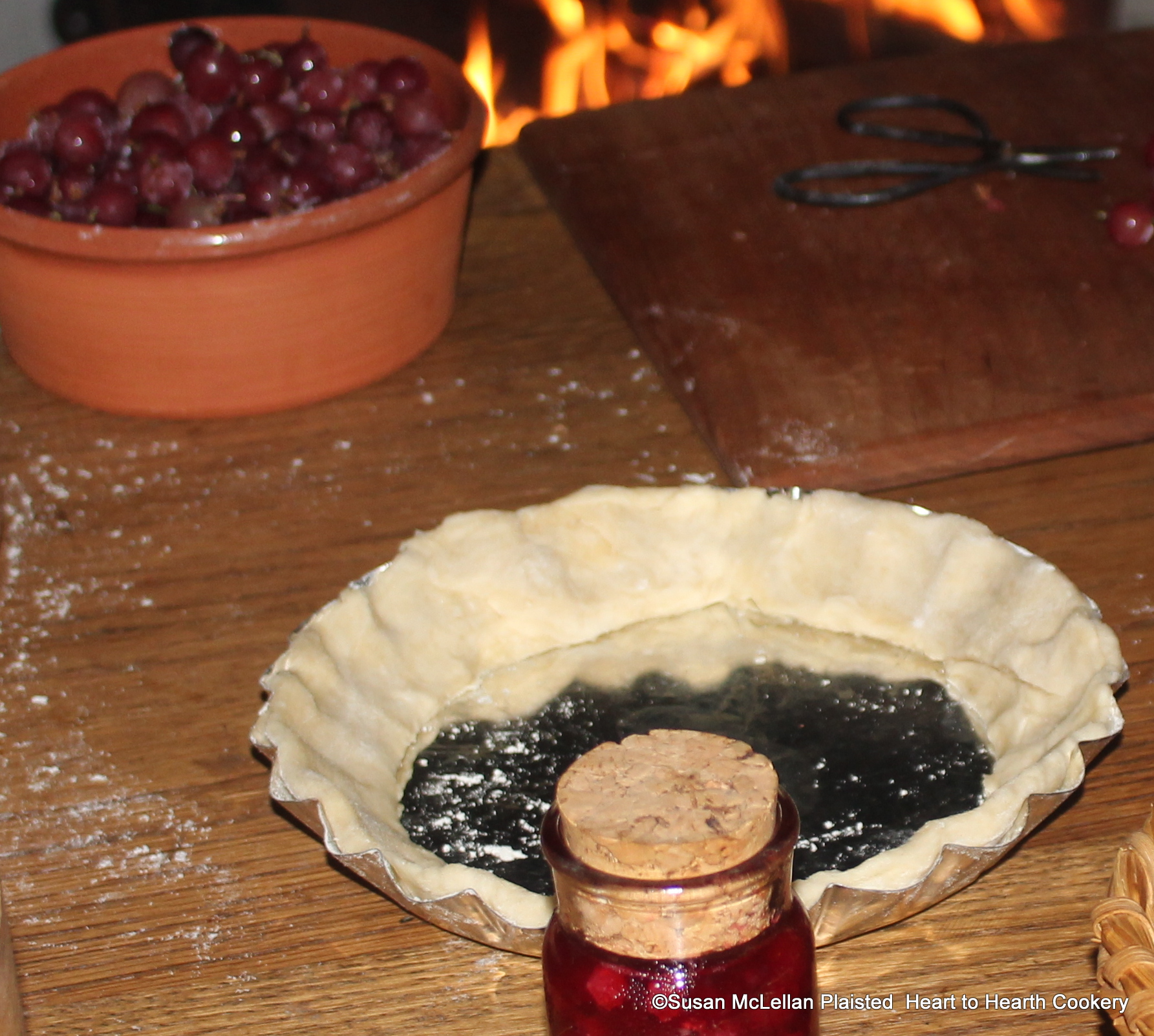
After the sugar has been added to the eggs and claret wine for the receipt (recipe) To dress Eggs in the Spanish fashion some grated Nutmeg and Salt were the next ingredients.
Visit my website at: www.hearttohearthcookery.com
Posted in Claret, culinary history, Eggs, food, food history, receipts, recipes, tin grater | Tags: culinary history, food, food history, foodways
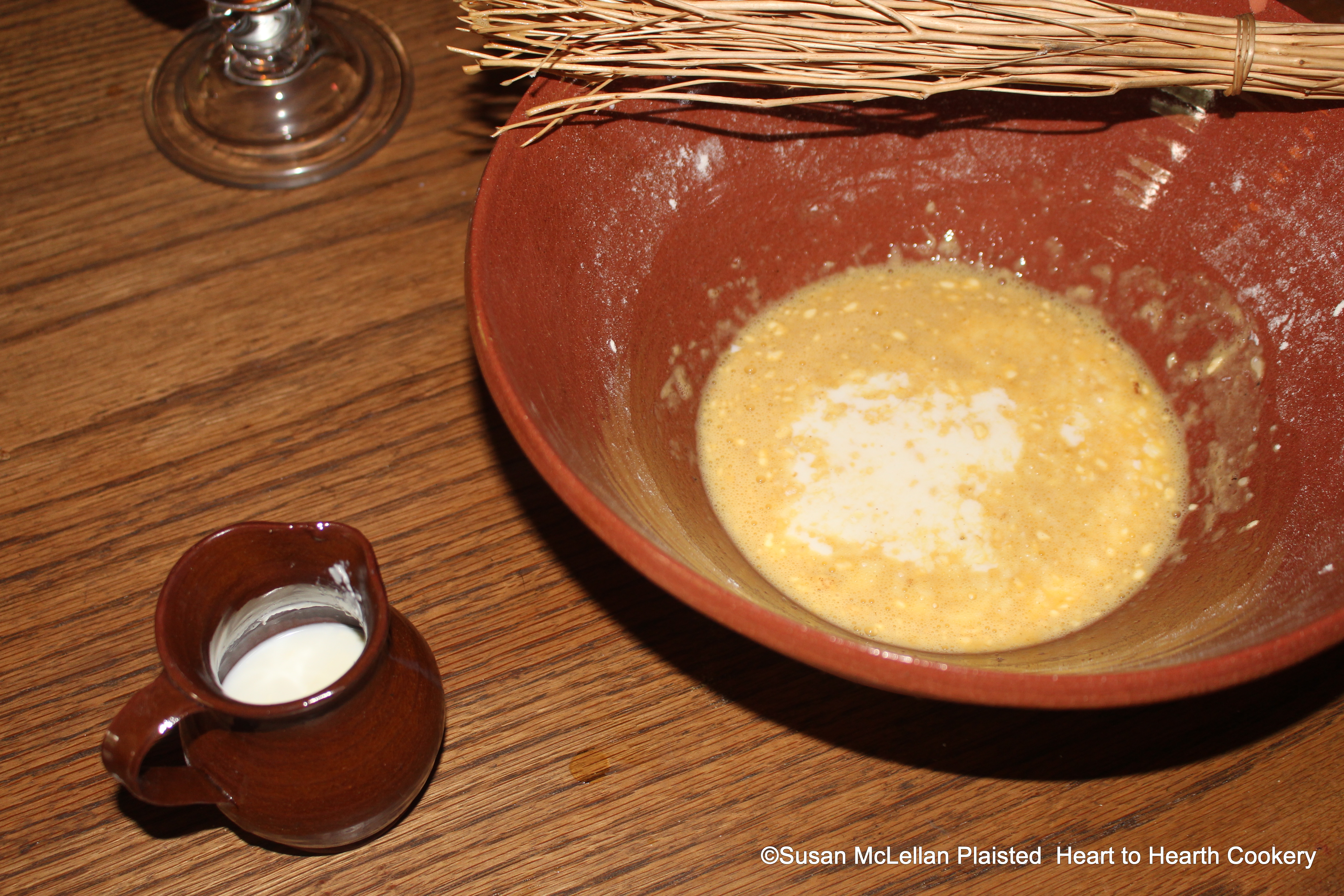
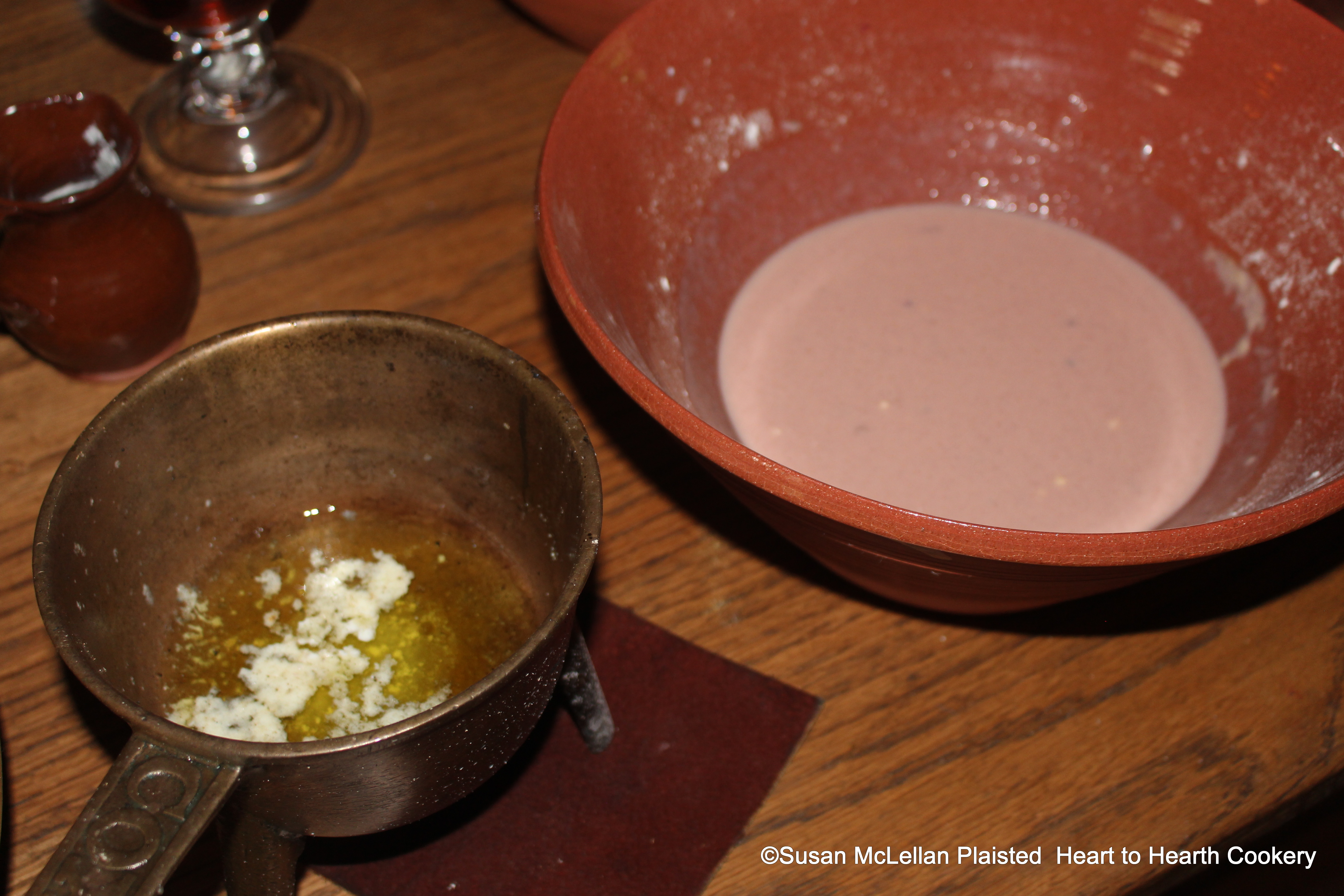
After the claret was added to the eggs for the receipt (recipe) To dress Eggs in the Spanish fashion, a quartern of Sugar was added. A quartern is a quarter of a specific measure which I interpreted to be a quarter of a pound.
Visit my website at: www.hearttohearthcookery.com
Posted in 17th century foodways, Claret, culinary history, Eggs, food, food history, receipts, recipes | Tags: culinary history, food, food history, foodways
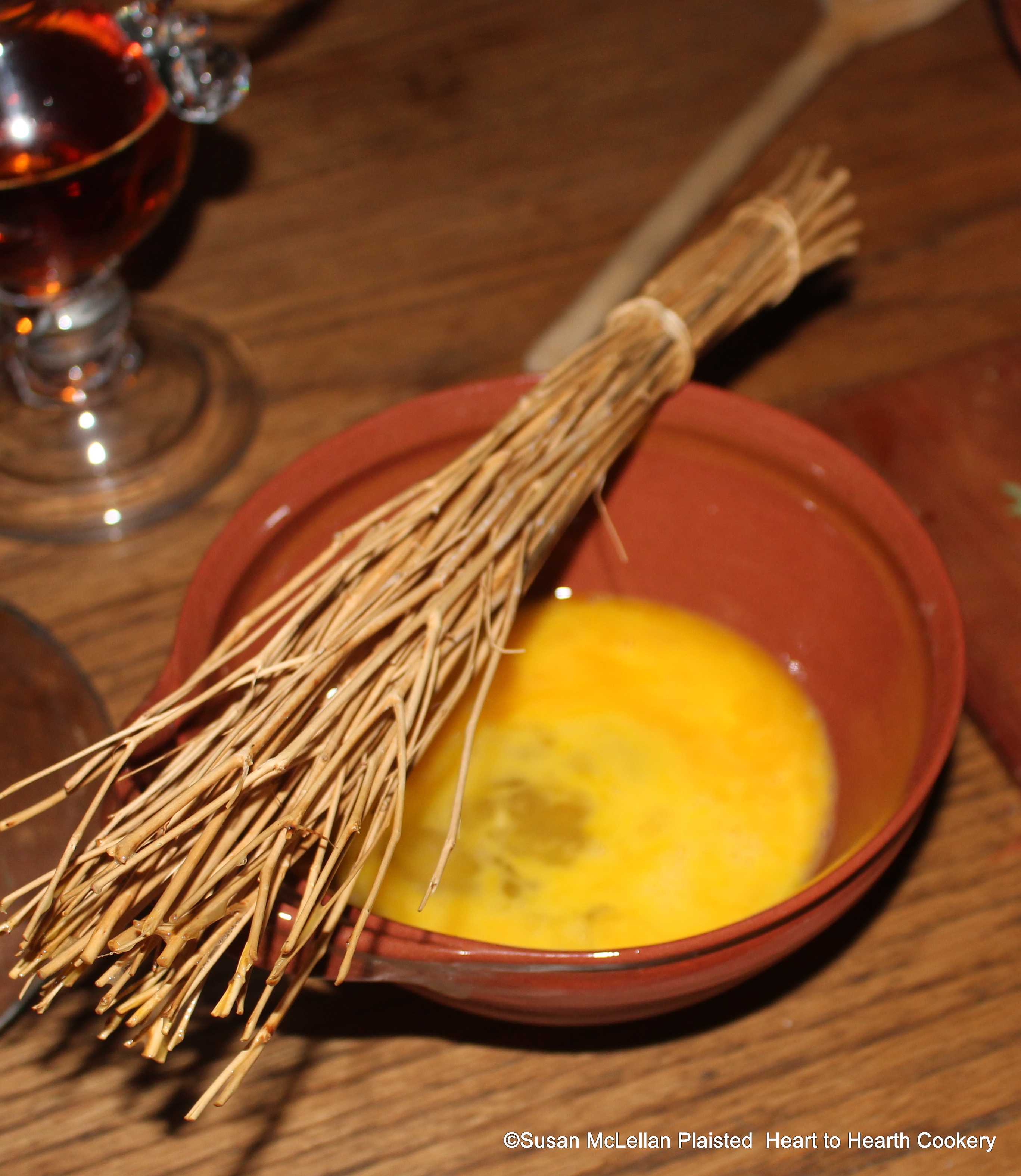
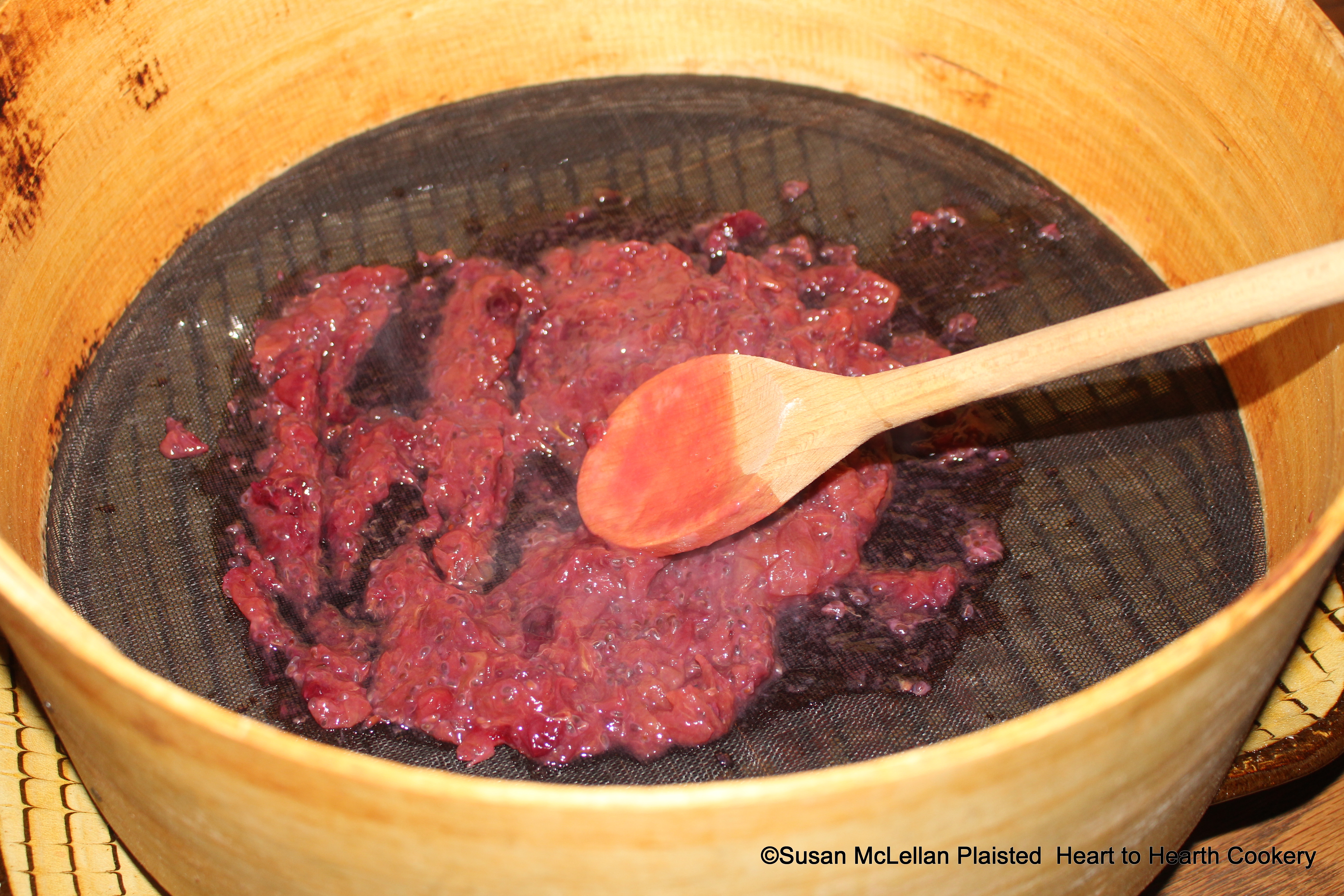
After the hen and goose eggs were whisked for the receipt (recipe) To dress Eggs in the Spanish Fashion a quarter pint of Claret was added.
Visit my website at: www.hearttohearthcookery.com
Posted in 17th century foodways, Claret, culinary history, Eggs, food, food history, receipts, recipes | Tags: culinary history, food, food history, foodways
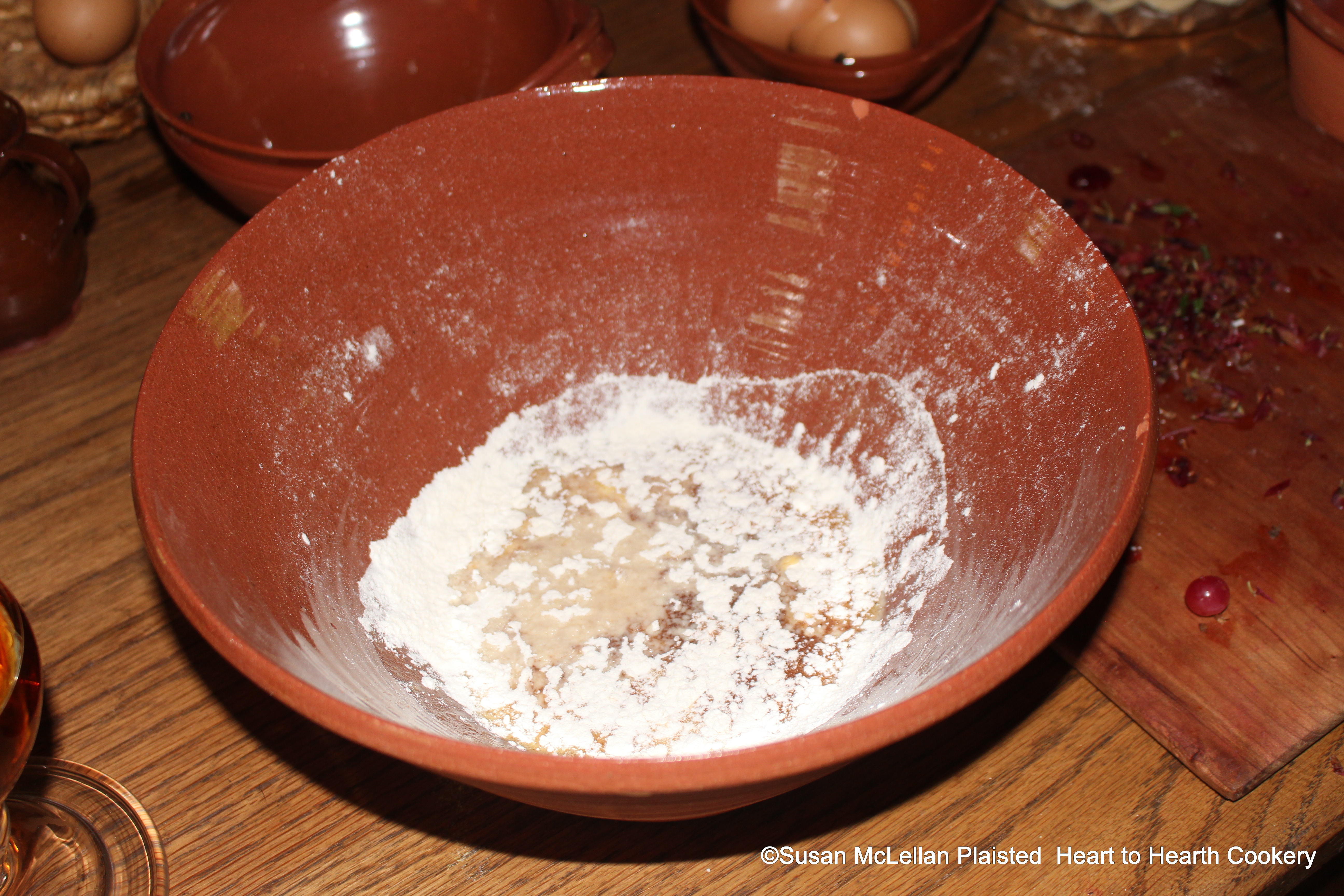
The first step in the preparation of the 1682 receipt (recipe) To dress Eggs in the Spanish Fashion is to take eggs fresh and new. The receipt indicates twenty eggs but I prepared half the receipt and used eight hen eggs and one goose egg.
Visit my website at: www.hearttohearthcookery.com
Posted in 17th century foodways, culinary history, Eggs, food, food history, receipts, recipes | Tags: culinary history, food, food history, foodways
After the curd (formed from the combination of heating milk and then adding a mixture of beaten eggs, buttermilk, sugar and salt, to make the Pennsylvania German receipt (recipe) Egg Cheese) sat overnight in the punched tin egg cheese mold, it was slowly and carefully shaken out of the mold. This spring cheese was often served on Easter and the traditional egg cheese mold used was heart shaped.
Visit my website at: www.hearttohearthcookery.com
After the delicate curd has been separated from most of the whey through a linen cloth for the Pennsylvania German receipt (recipe) Egg Chees (Oya Kase), the curd is layered into the mold and allowed to continue to drain any remaining whey overnight.
Visit my website at: www.hearttohearthcookery.com
The Pennsylvania German word for the receipt (recipe) Egg Cheese is Oya Kase. The typical mold used was a heart shaped punched tin so additional whey would drain. The punched tin mold in my collection is in the shape of a diamond.
Visit my website at: www.hearttohearthcookery.com
When the curd has separated from the whey for the Pennsylvania German receipt (recipe) Egg Cheese, the whey was first drained from the curd using a linen cloth.
Visit my website at: www.hearttohearthcookery.com
Posted in cheese, culinary history, egg cheese, food, food history, Pennsylvania German foodways, receipts, recipes | Tags: cheese, culinary history, food, food history, foodways, Pennsylvania German
After the mixture of eggs, buttermilk, salt and sugar have been added to the milk just brought to a boil, taken off the heat and covered for the Pennsylvania German receipt (recipe) Egg Cheese, the lid was removed after a matter of minutes to discover this soft, delicate curd had separated from the whey.
Visit my website at: www.hearttohearthcookery.com
Posted in culinary history, egg cheese, food, food history, Pennsylvania German foodways, receipts, recipes | Tags: cheese, culinary history, food, food history, foodways, Pennsylvania German
After the milk has been just brought to a boil for the Pennsylvania German receipt (recipe) Egg Cheese, add the mixture of eggs, buttermilk, salt and sugar slowly into the hot milk, cover and take the kettle off the heat.
Visit my website at: www.hearttohearthcookery.com
Posted in cheese, culinary history, egg cheese, food, food history, Pennsylvania German foodways, receipts, recipes | Tags: cheese, culinary history, food, food history, foodways, Pennsylvania German