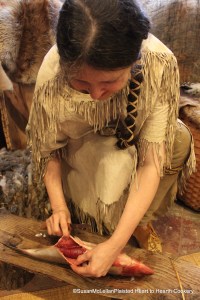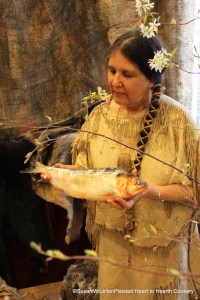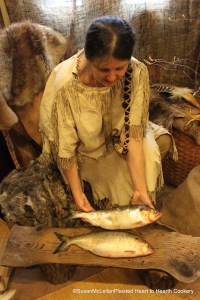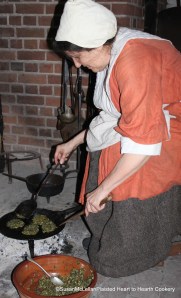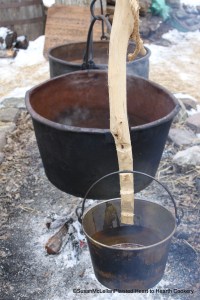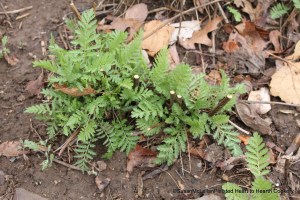
As I sit in my office, trying to stay warm on this cold day, I find planning hearth cooking workshops warming. At every class and workshop my goal is to use as many different hearth cooking techniques and equipment as possible. I love to hearth cook and find each hearth and receipt (recipe) a total adventure. My hope is that every person I work with takes away just a bit of my ethusiasm for the art. The class I am currantly choreographing is the March 19th 2011 Hearth Cooking Workshop at Bolton Mansion. And YES!-I used the word choreograph as in dancing- as I balance all the different elements of seasonality, color, taste, maximum use of the stage (the hearth), and cooking techniques for the beginner to the master of the art. But the grand finale-is enjoying the wonderful (almost lost) tastes of the past with all!
Gridirons, Bake Kettles and more: A Hearth Cooking Adventure
Chocolate Cakes???

- Chocolate Cakes
Yes, what you are looking at in the picture are really chocolate cakes! The term “cake” had a much broader meaning in the 17th and 18th centuries. While the chocolate cakes look more in the form of what we know as cookies today, the English primarily referred to cookies as small cakes. Thus the 100% pure chocolate with ALL its cacao butter that comes off a metate are called chocolate cakes. The “cakes” would then be grated into a chocolate powder and mixed with hot water in a chocolate pot. Chocolate was a beverage! This picture was obviously focused on the chocolate as all the participants in the workshop are headless. But the class was proud of all the chocolate cakes they made from roasting cacao beans and processing the roasted beans on a metate. This experience of making chocolate cakes is available to you with my chocolate workshops. I have one chocolate workshop each year in February near my home but the metates have traveled and workshops can be planned at any location near you with a hearth.
Begin 2011 with Chocolate!
The holiday season is almost over and I have done my first winter shoveling. But now it is time for me to focus on chocolate which makes the winter pass very quickly. It is not the season of winter but the season of chocolate! I am now in the preparation stage for the chocolate season that officially begins with my Chocolate Workshop on February 5, 2011. The picture at left shows the 2010 workshop with all hands busy preparing 100% pure chocolate. Some workshop participants are grinding the cocao nibs on heated metates while others work on separating the hulls on the roasted beans. And all this happens while the aroma of chocolate fills the air! It seems like chocolate heaven!
If you would like to participate in the 2011 Chocolate Workshop, visit my website at www.hearttohearthcookery.com. The workshop is the featured class on the home page with all the information that you need.
Posted in chocolate, chocolate, confectionery, culinary history, food, food history | Tags: chocolate, classes, confectionery, culinary history, food, food history, foodways, Hearth cooking classes
Caraway Comfits

Making Caraway Comfits
This holiday season I decided to do more work on my caraway comfits. I can only do 12 charges of sugar syrup on the seeds each day and my goal is 60 charges for each seed. I now have some that have 48 charges so I am getting closer. My comfit pan is hung over a brazier as the heat source and is made to swing so I can move the pan away from the heat when needed. In the picture to the left, I have just completed coating the seeds with a charge.
Learning how to make comfits using a comfit pan is part of my confectionery workshops. Contact me at foodhxsmp@gmail.com if you have interest in my setting up a 2011 confectionery course.
Visit my website at www.hearttohearthcookery.com
Happy New Year!!!
Meat Pastey and Minced Meat Pyes

Meat Pasty and Mince Meat Pyes
This is Holly Night at Pennsbury Manor and the Great Hall is filled with candlelight. I am positioning the very intricately decorated meat pastey on a glass plateau. Surrounding the pastey, are Robert May’s shapes for Minced Meat Pyes. The minced meat pyes (coffins) are made from the same hot water paste as the pastey but are shaped using coffin formers. All were baked in a bake oven.
Last minute Christmas gifts needed? Gift certificates for my classes and workshops are available.
Visit my website at www.hearttohearthcookery.com
To make pretty Sweet Lamb Pye

To make pretty Sweet Lamb Pye
With meat not consumed from the lamb roast (see blog posting “Larding a Lamb Roast), H. Glasse’s receipt To make pretty Sweet Lamb Pye was prepared. A good Crust was made to lay in the dish. The extra lamb was cut into small pieces and strewed over with a very little Salt, some Mace and Nutmeg beat fine. Then a layer of seasoned lamb was alternated with some currans, and a few Raisins stoned. A little butter was added, a top crust and the pye baked in a bake oven. The flavor of the lemon rind larded into the lamb as it roasted added just the right touch to the pye.
Visit my website at www.hearttohearthcookery.com
Posted in 18th century foodways, culinary history, food, food history, Pyes (pies) | Tags: culinary history, food, food history, foodways, pyes
Duck Pye from Dinner

The Duck from the Table
With the dinner meal completed, the roasted duck comes back to the kitchen to become a “made dish” to be served again to table. This duck will be prepared as A Duck Pye. The meat is removed from the bones and seasoned well with salt and pepper. Two large Onions minc’d small and a good store of butter are added to the pye. The cold paste is prepared with an opening for another good store of melted butter after baking. The pye will most typically be served within the week.
Visit my website at www.hearttohearthcookery.com. Gift certificates for workshops and classes are available on the site.
“Larding” a Lamb Roast

- Lamb larded with Lemon Peel
This holiday season I decided to have some fun with my bottle jack (hanging by my left in the picture from the lintel). I do not have much opportunity to use my bottle jack as I need to be interpreting after 1780 to use it. I am holding a leg of lamb (by a meat hook) that has been “larded” with the peel of a lemon I took the lemon peel off in one piece and sliced it in thin slices that would fit the end of my larding needle. The peeled lemon and larding needle are on the board. The roast, with its decorative and flavorful “larding” was the weight for the bottle jack as the mechanism was wound with a key to turn the roast evenly for a perfect roast.
Posted in 18th century foodways, bottle jack, culinary history, food, food history, Roasting | Tags: bottle jack, culinary history, food, food history, foodways, Roasting
Processing Acorn Flour Steps 3 and 4
Steps 1 and 2 of my processing two varieties of white acorns into acorn flour are in previous posts on my blog. (Just click on the word acorn flour on the category list to the right) After the acorn meats were leached of their tannins, the wet acorns were allowed to dry completely in the sun. There was minimum chaff to be removed and then I stored the dried nuts. The day after Thanksgiving, I started grinding the acorns into flour as you can see in the picture. I used a large rock that was hollowed in the center and this hollow will become deeper and even more functional as I continue with my grinding. I made two tablespoonsful in my afternoon demonstration!
Munsi Wolf Bean

Munsi Wolf Bean
In addition to growing the Shackamaxon bean and its earlier variant that re-emerged, my main crop of beans this growing season were the Munsi Wolf Bean (pictured left). Just as with the Shackamaxon bean, I had two types of pods and beans produced by the plants. The predominant bean (purple and cream speckled) is a beauty of a bean to behold and the pod is speckled as well. The only information that I have about this bean is that it was “originally grown by the Lenape Indians of the Delaware Water Gap” I will be adding this bean to my Lenape demonstrations in 2011.
Visit my website at www.hearttohearthcookery.com. Wanishi!
Posted in culinary history, food history, Lenape, Native American | Tags: culinary history, food history, foodways, Lenape, Native American
Categories
- 17th century foodways
- 18th century foodways
- 19th century foodways
- Abenaki
- Abraham Lincoln
- Ale yeast
- ALHFAM
- Ambergris
- Anise seed
- Bacon
- Bake oven
- Barm
- Bear
- Beef
- Beverages
- Birch twig whisks
- Bolton Mansion
- Boston Cream Pie
- Bread
- Cakes
- Calf brains
- Capers
- Capon
- Caraway
- Cast iron
- cattails
- Caul
- Ceramic reproductions
- cheese
- cheesemaking
- Chicken
- children's programs
- Chinese Porcelain
- chocolate
- Claret
- Cochineal
- Coffins
- Collaring
- confectionery
- culinary history
- dairying
- Duck
- Dutch foodways
- Edible flowers
- eel
- Eggs
- Firemaking
- Fish
- Flowers
- food
- food festivals
- food history
- food history equipment
- apothecary pot
- bake kettle
- Bake oven peel
- Baking pot
- bakstone
- Balance scales
- Bannock toaster
- Barred girdle
- Batter Jug
- Birch twig whisk
- Bottle Ticket
- Brass Dutch Baking Kettle
- Brass kettle
- brazier
- Brush (squirrel hair)
- Cake hoop
- Case bottles
- Cask
- chafing dish
- chocolate pot
- coffin former
- colander
- Comfit pan
- Copper bake oven ladle
- copper kettles
- copper saucepan
- Copper water kettle
- corn pounder
- Decanter
- drying racks for bake oven
- Dutch bronze bake kettle
- Dutch skillet
- Egg cheese mold
- Everted rim sauce pan
- fish plank
- Gally pot
- Gingerbread molds
- Gourd bowl
- GraniteWare
- grape vine basket
- Gridirons
- hemispherical kettle
- herb grinder
- Hominy basket
- horse hair sieve
- Larding needle
- Marble mortar and pestle
- Marrow spoon
- mirror plateau
- molinillo
- Mortar and pestle
- Mote spoon
- mulling cone
- Mulling iron
- Native mortar and pestle
- nesting weights
- patty pans
- Peach twigs
- Pewter basin
- pewter plate
- pewter water plate
- Poffertjes pan
- Porcelain
- Porringer
- Posnet
- posset pot
- Pretzel Hanger
- pudding bag
- Pudding basin
- Pudding bowl
- Pudding mould
- ratchet trammel
- redware baking dish
- redware moulds
- redware pipkin
- Redware platter
- Redware skillet
- redware stewpot
- Rocker knife
- rutcher
- Rye straw baskets
- sabotiere
- saffron cup
- salamander
- Salt box
- Salt-glazed crock
- scallop shells
- Sieve
- sillibub pot
- Skillet
- Spice chest
- spider
- Standing toaster or roaster
- Stone mortar and pestle
- stoneware
- Sugar nippers
- Tazza
- Tea caddy
- Tea caddy spoon
- tea chest
- Three-legged saucepan
- tin apple roastere
- Tin baker
- tin baking hoops
- tin baking sheet
- tin bowl
- Tin box
- tin grater
- Tin sausage funnel
- Toasater
- Toaster
- Toasting fork
- trade kettle
- trencher
- Trivets/stands
- Waffle iron
- Whit bottle
- wine bottles
- wood masher
- wood pounder
- Wood wine goblet mold
- Food history lectures
- Food preservation
- Fool
- French foodways
- Fritters
- Fruits
- American citron melon
- American persimmon
- apples
- Apricots
- Barberries
- Cherries
- China
- China orange
- Citron
- Cranberries
- Currants
- Dates
- gooseberries
- Greengage plums
- Lemons
- Mellacattons
- Melon
- Oranges
- Peaches
- Pears
- Plums
- prunes
- Quince
- Raisins
- raspberries
- Rhubarb
- Seville oranges
- Strawberries
- Summer Rambo
- Yellow pear tomato
- Gardening
- Ginger
- Gingerbread
- goose
- Grain
- Granddaughter
- Great cakes
- Green corn
- Ham
- Hartshorn
- Hearth cooking classes
- hearth cooking demonstrations
- Hedge Hog
- Herbs
- history camps
- Hominy
- Honey
- IACP
- ice cream
- Ice Screamers
- Isinglass
- Jamaica pepper
- kettles
- Lamb
- Lear
- lecture presentations
- Leeds Symposia on Food History
- Lenape
- Macaroni
- Manuscript receipts
- Maple Sugaring
- Marmalade
- Marrow
- Mincemeat
- Mustard
- Mutton
- Native American
- Native American gardening tools
- Native American Seeds
- Native plants
- Nixtamalization
- Nuts
- Oil
- Oysters
- Pancakes
- Pandemic foodways
- Pastes (pastry)
- Pennsylvania German foodways
- pewter
- Pewter bason
- Pheasant
- Plucking
- Pollinating
- Pork
- posset
- pottery
- Puddings
- Pyes (pies)
- Quail
- Rabbit
- receipts
- receipts recipes
- recipes
- recipes receipts
- Roasting
- Rooster
- Rose hips
- Rusk
- sabotiere
- Sago
- Sallet (salad)
- salmon
- Salt
- Sandalwood
- Sauces
- school programs
- Scottish Foodways
- Seed Cakes
- Sesame
- shad
- Shaker foodways
- Shipboard cooking
- sorghum
- Soups
- Speaker topics
- Spices
- Spring foods
- SS United States
- Stewing
- sturgeon
- suet
- Sugar
- Sugar plate
- Sunchokes
- Sunflower
- Swedish foodways
- tansy
- tarts
- Tavern food
- Tea
- Thanksgiving
- Thomas Jefferson
- tin baker
- Treacle
- Turkey
- Vanilla
- Veal
- Vegetables
- Venison
- Verjuice
- Vinegar
- wafers
- Waffles
- walnut catsup
- Welsh foodways
- White Pot