
After softening three quarter of butter for the manuscript receipt (recipe) Lemon Tart the same of sugar was added.
Visit my website at: www.hearttohearthcookery.com
After softening three quarter of butter for the manuscript receipt (recipe) Lemon Tart the same of sugar was added.
Visit my website at: www.hearttohearthcookery.com
Posted in culinary history, food, food history, Lemons, receipts, recipes, tarts | Tags: culinary history, food, food history, foodways

The manuscript receipt (recipe) for Lemon Tart reads three quarters of Butter so I softened three quarter of a pound of butter.
Visit my website at: www.hearttohearthcookery.com
Posted in culinary history, food, food history, Hannah Haines, Lemons, Manuscript receipts, receipts, recipes | Tags: culinary history, food, food history, foodways
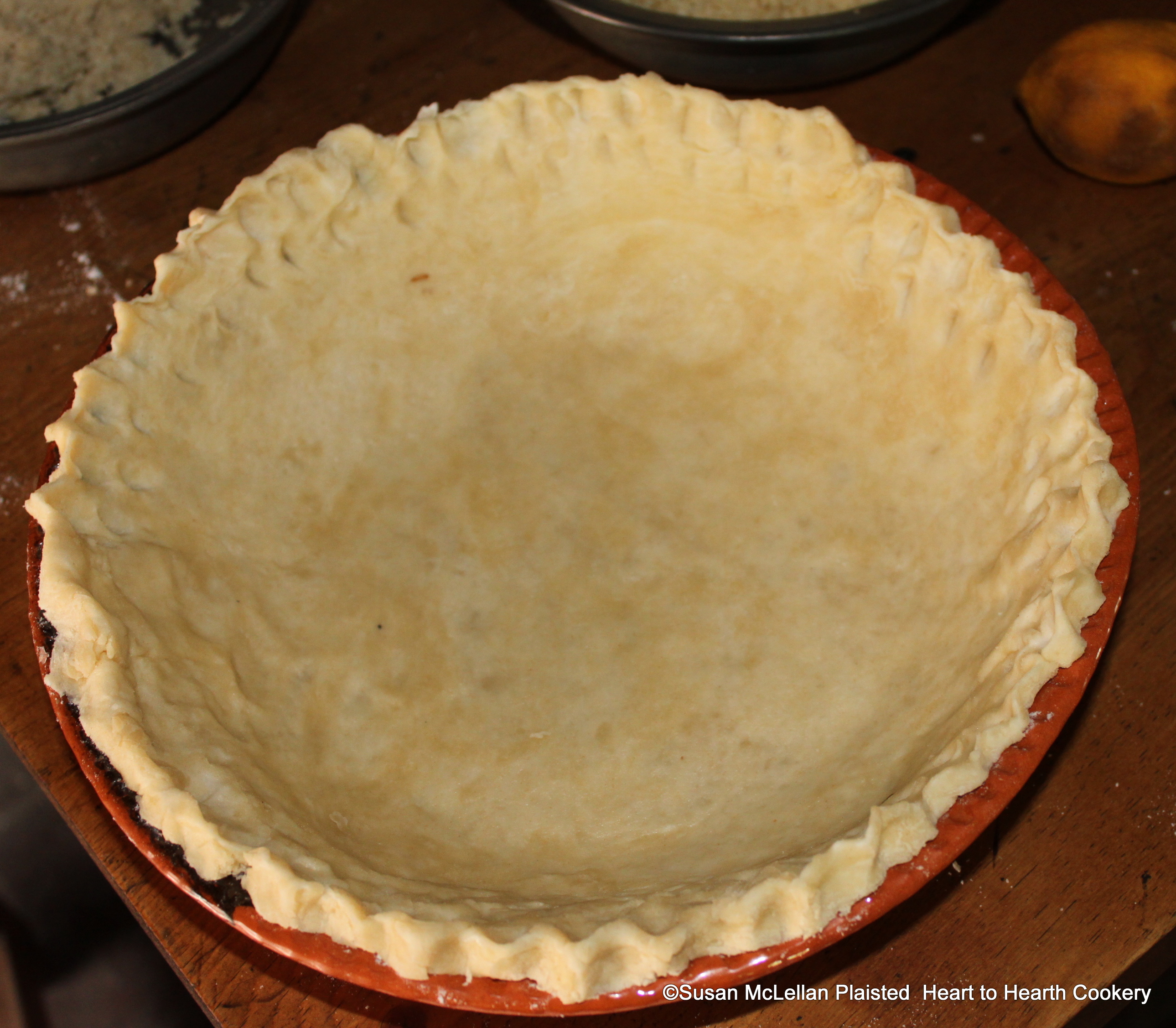
This receipt (recipe) for Lemon Tart is from the manuscript receipt book of Hannah Marshall Haines (1765-1828) and was researched at the Wyck House Museum (also known as Haines House) when the book was part of their collection. I started with the last step first and that was put a paste in the Bottom of the Dish.
Visit my website at: www.hearttohearthcookery.com
Posted in culinary history, food, food history, Hannah Haines, Lemons, Manuscript receipts, Pastes (pastry), receipts, recipes, tarts | Tags: culinary history, food, food history, foodways
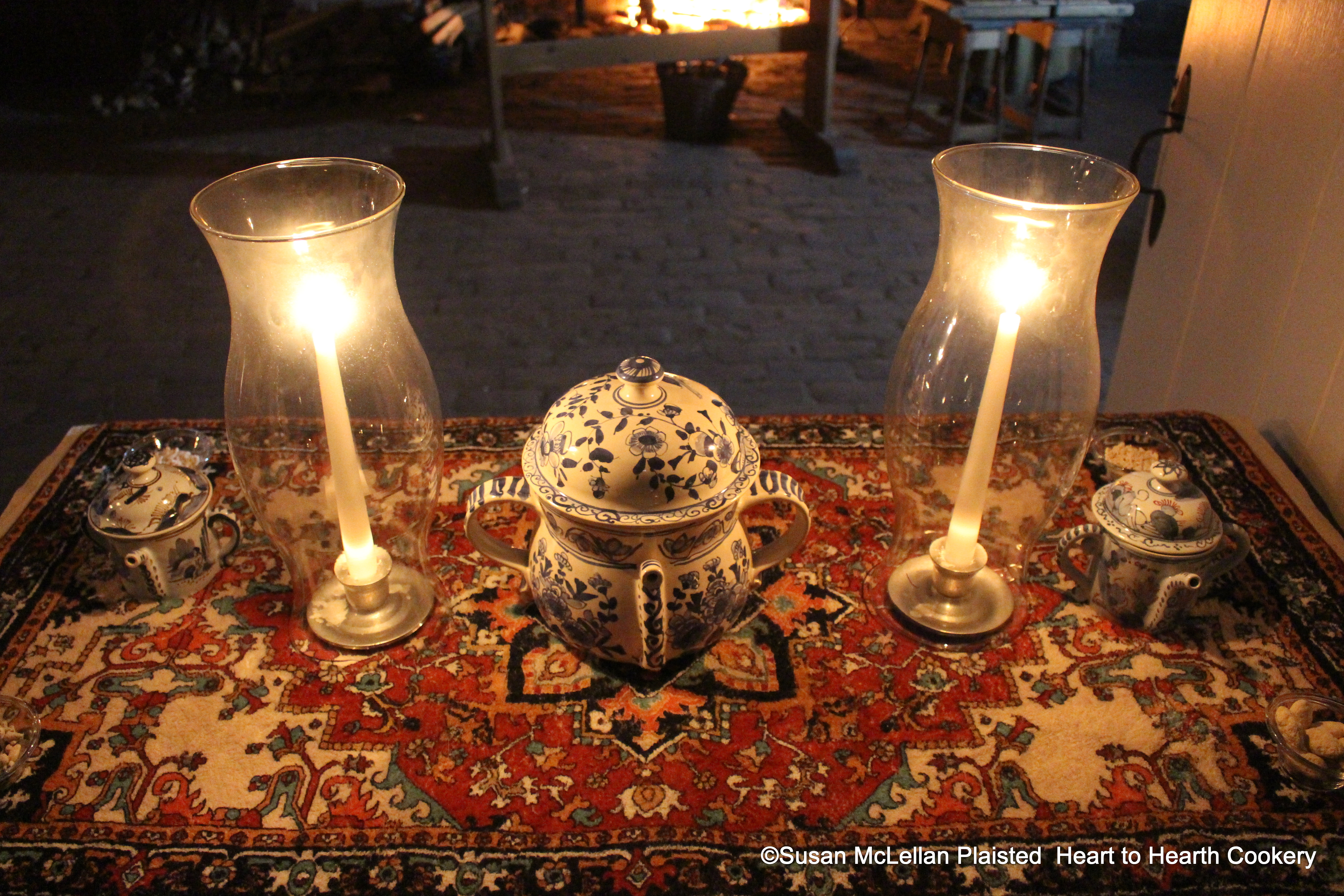
The posset pot is in the center of the table with the sillabub pots symmetrically placed on either side of the table. The sillabub pots have been filled with the froth (silly bubbles) from the receipt (recipe) To make a very fine Sillabub and both pots set for twelve hours.
Visit my website at: www.hearttohearthcookery.com
Posted in confectionery, culinary history, food, food history, receipts, recipes, sillibub pot, syllabubs | Tags: confectionery, culinary history, food, food history, foodways

In addition to the froth (silly bubbles) put in a Sillibub pot for the receipt (recipe) To make a very fine Sillabub, some of the froth was put into a hand-blown jelly glass so that the results of the mixture setting for twelve hours could be seen. If you look closely at the picture, you will see that liquid has settled at the bottom of the glass from the froth.
Visit my website at: www.hearttohearthcookery.com
Posted in confectionery, culinary history, food, food history, receipts, recipes, syllabubs | Tags: confectionery, culinary history, food, food history, foodways
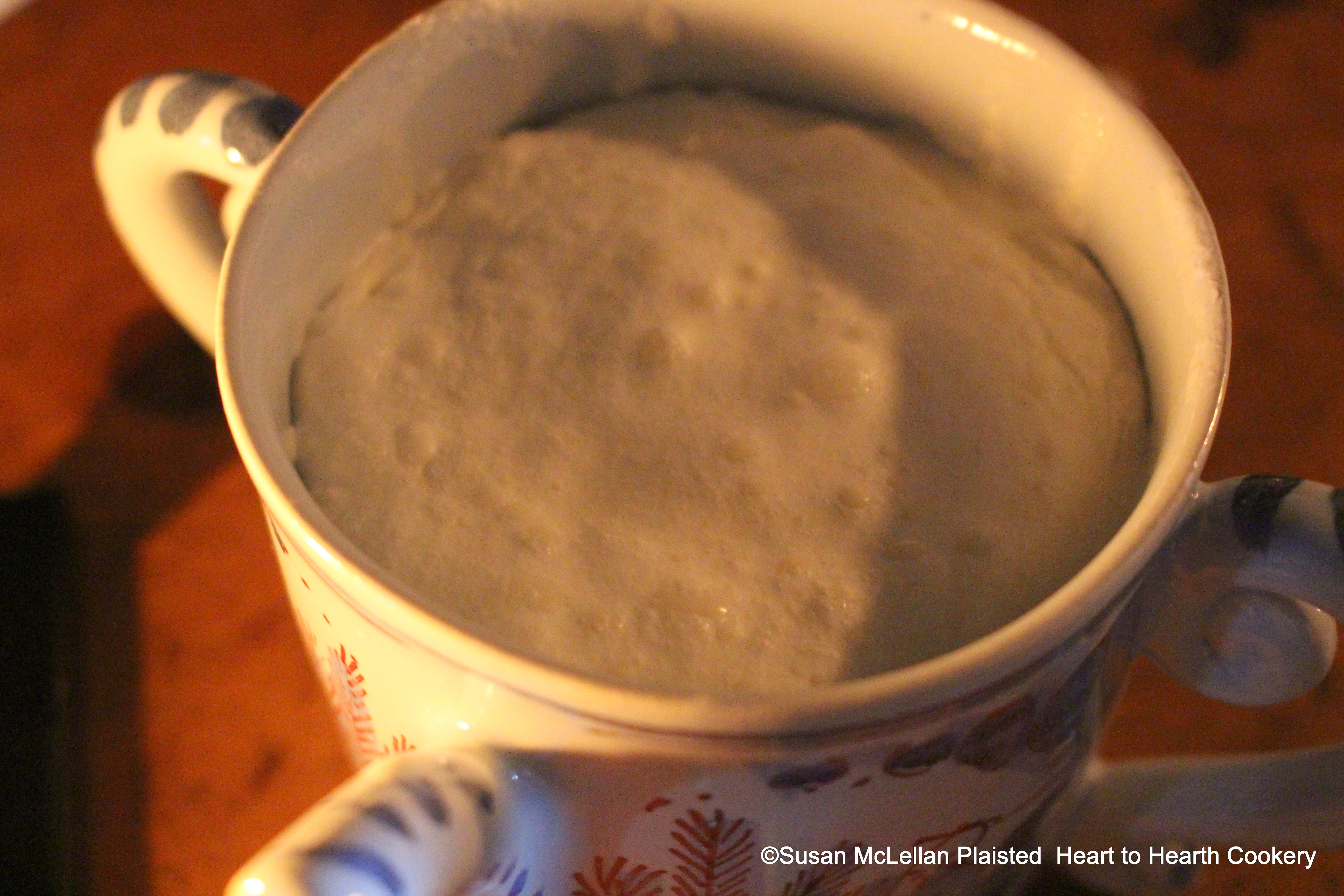
The froth (silly bubbles) are placed into a Sillibub pot for the receipt (recipe) To make a very fine Sillabub and this is done till the Cream and Wine be done. The sillibub pot is then covered and set in a cool place for twelve hours.
Visit my website at: www.hearttohearthcookery.com
Posted in confectionery, culinary history, food, food history, receipts, recipes, sillibub pot, syllabubs | Tags: confectionery, culinary history, food, food history, foodways
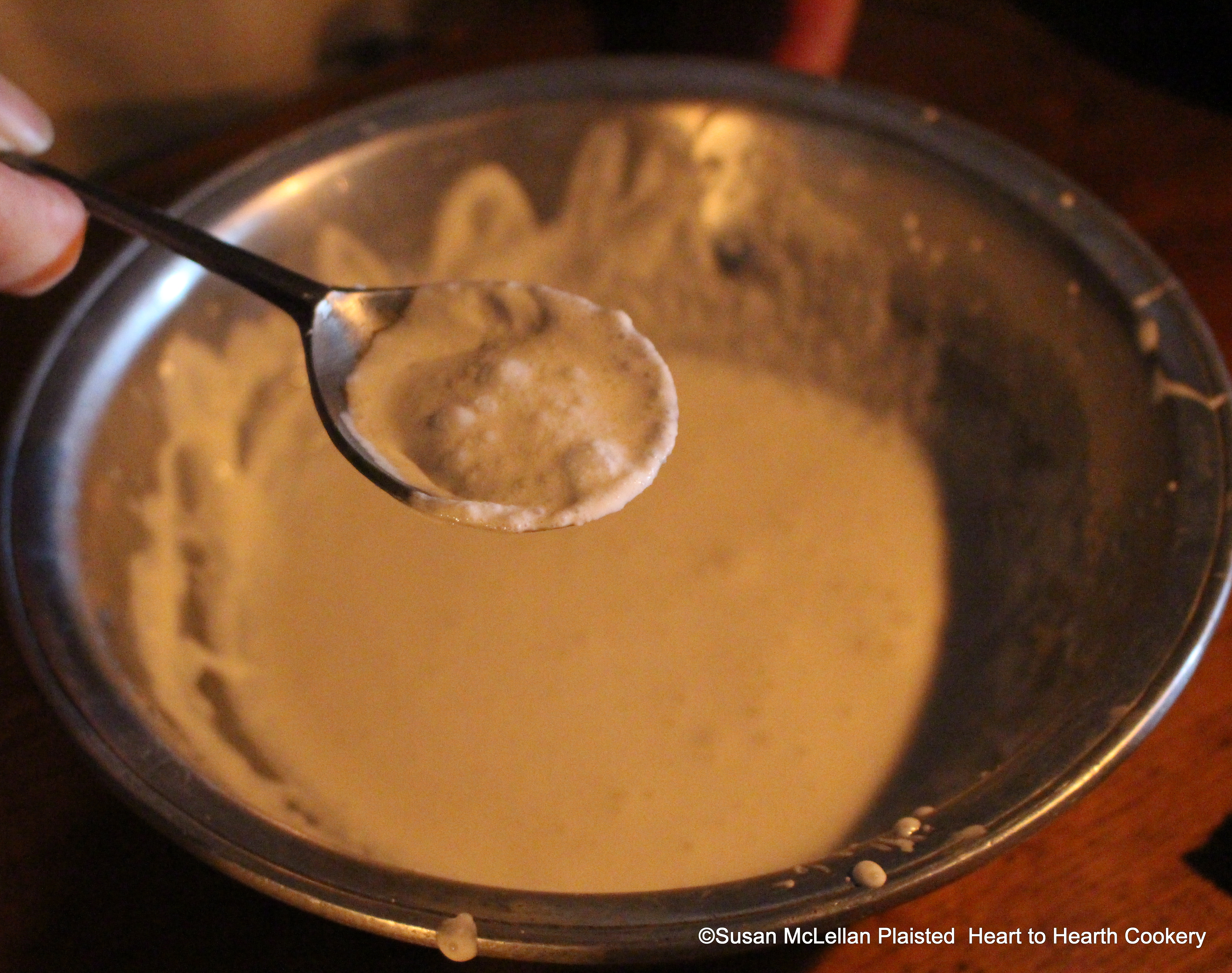
Just the froth is the goal of whisking the mixture of a small amount of cream with a small amount of sweetened sack (dry sherry), flavored with a branch of rosemary and lemon juice, for the 1674 receipt (recipe) To make a very fine Sillabub. I always think of Ivan Day (a food historian from England) as he used the term “silly bubbles” when teaching about these early sillabubs. It is a learned technique to whisk fast and with a light hand to just obtain bubbles and not a whipped cream consistency. When the amount of the mixture gets to the whipped cream stage it is time to start anew with a little of the Liquor and a little of the Cream.
Visit my website at: www.hearttohearthcookery.com
Posted in 17th century foodways, confectionery, culinary history, food, food history, receipts, recipes, syllabubs | Tags: confectionery, culinary history, food, food history, foodways
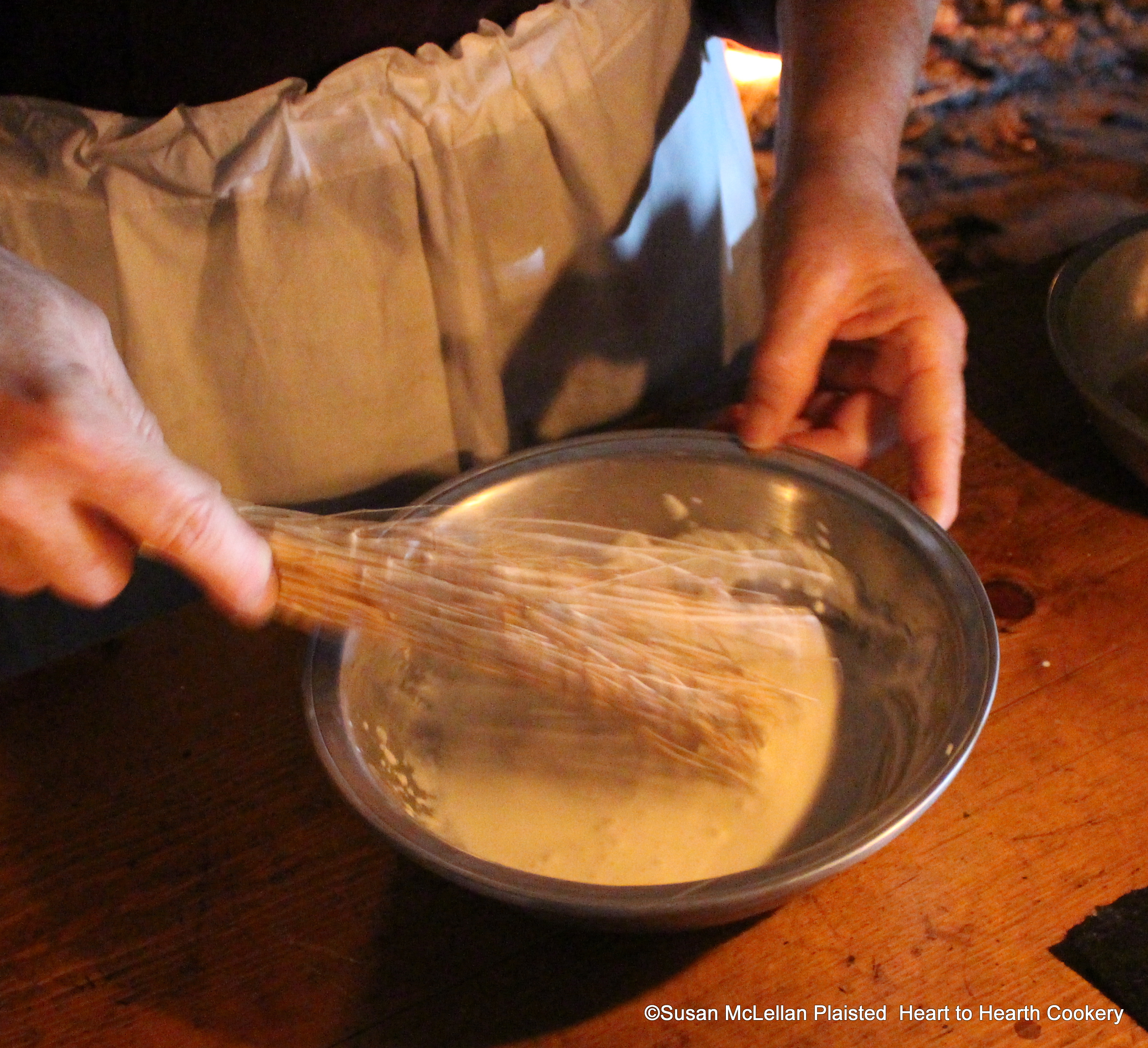
After a little of the sack (very dry sherry) and a little of the cream have been added together in a pewter bowl for the receipt (recipe) To make a very fine Sillabub beat them till it froth. Pictured a birch twig whisk is being used to create the froth and the froth (bubbles) is the most important part of this receipt.
Visit my website at: www.hearttohearthcookery.com
Posted in Birch twig whisks, confectionery, culinary history, food, food history, receipts, recipes, syllabubs | Tags: confectionery, culinary history, food, food history, foodways
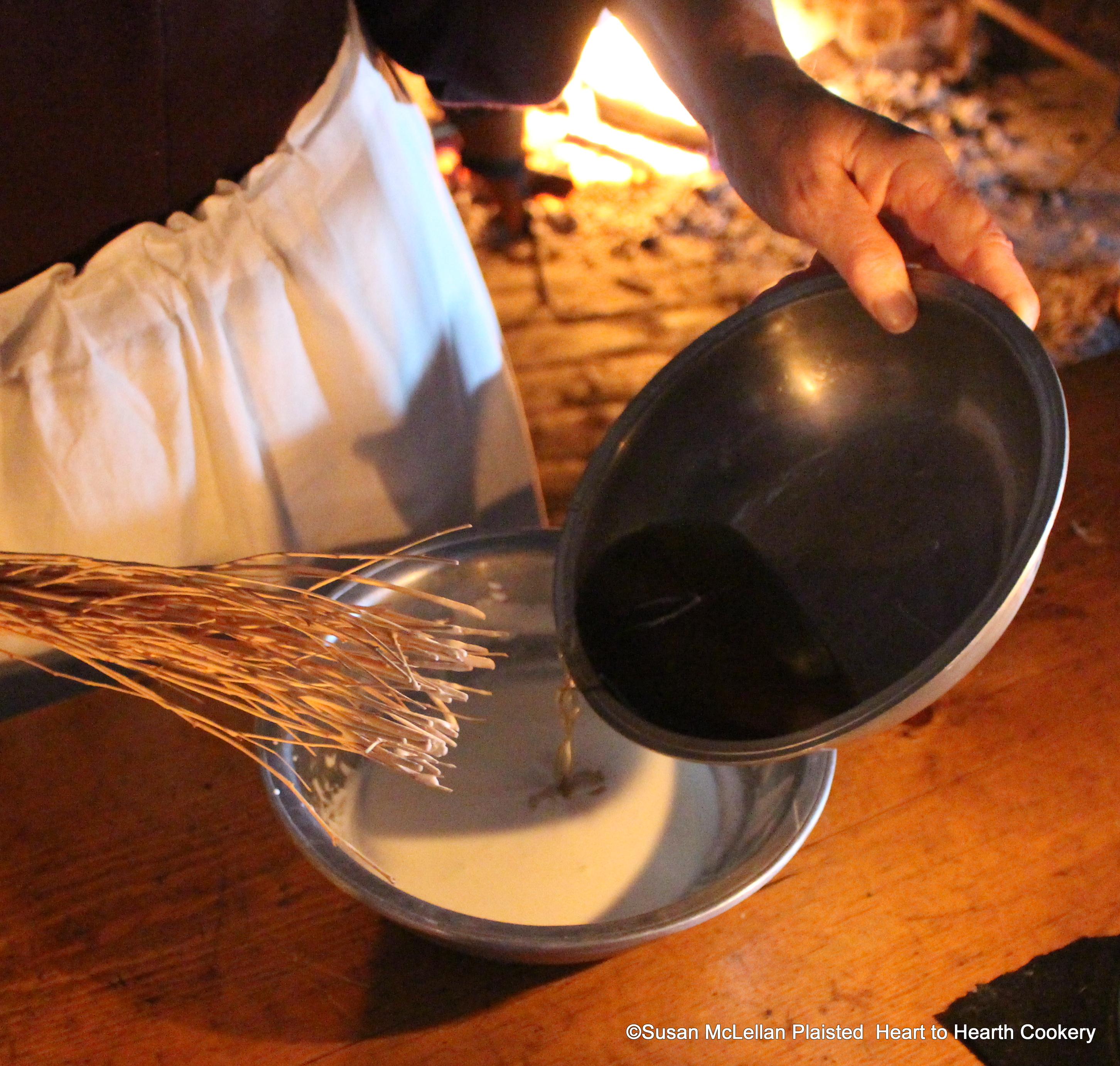
For the receipt (recipe) To make a very fine Sillabub put a little of this Liquor (the sack) and a little of the Cream into a Basin, beat them till it froth. The birch twig whisk will be used to beat this mixture quickly until it just produces bubbles.
Visit my website at: www.hearttohearthcookery.com
Posted in Birch twig whisks, confectionery, culinary history, receipts, recipes, syllabubs | Tags: confectionery, culinary history, food, food history, foodways
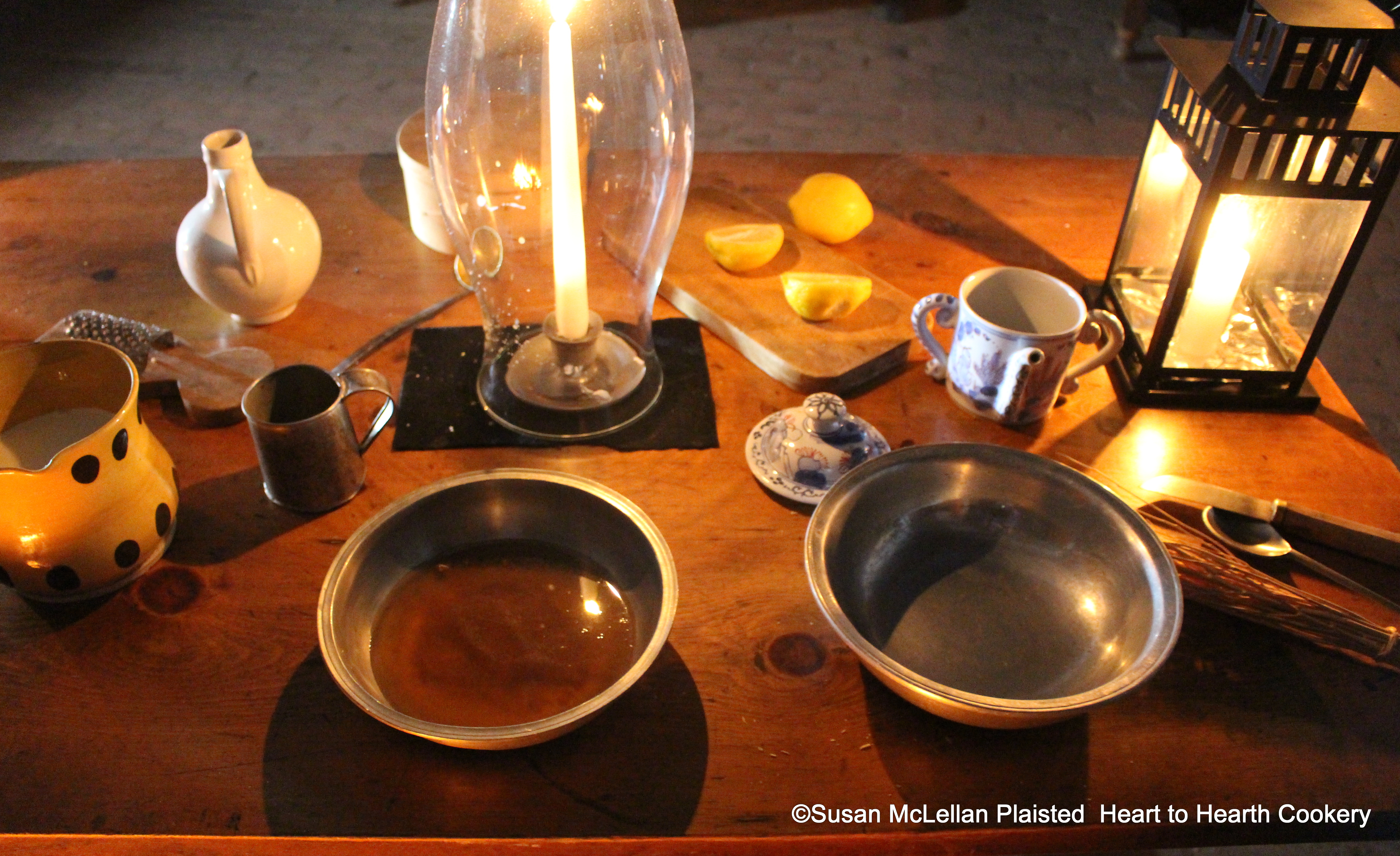
All the ingredients for this 1674 receipt (recipe) To make a very fine Sillabub are pictured with the exception of the sugar to sweeten. The cream is in the yellow pitcher, the sack already measured and in the pewter bowl with a branch of Rosemary, and the lemon is ready to juice.
Visit my website at: www.hearttohearthcookery.com
Posted in confectionery, culinary history, food, food history, receipts, recipes, syllabubs | Tags: confectionery, culinary history, food, food history, foodways

