After the “outside” of the boiled skirrets have been removed and the pulp beat fine for the receipt (recipe) Skirret Fritters rub it through a sieve.
Visit my website at: hearttohearthcookery.com
After the “outside” of the boiled skirrets have been removed and the pulp beat fine for the receipt (recipe) Skirret Fritters rub it through a sieve.
Visit my website at: hearttohearthcookery.com
Posted in culinary history, food, food history, Fritters, receipts, recipes, Sieve, skirrets | Tags: culinary history, food, food history, foodways
After the skirrets have been boiled for the receipt (recipe) Skirret Fritters take off the outside and beat a pint of the pulp very fine. Skirrets are not easy to peel after being boiled soft. A very time consuming process that has led to the vegetable going out of favor.
Visit my website at: hearttohearthcookery.com
Posted in culinary history, food, food history, Fritters, receipts, recipes, skirrets | Tags: culinary history, food, food history, foodways
The skirrets for the receipt (recipe) Skittet Fritters were placed in a pudding bag to boil until very tender. Using a pudding bag in a boiling cast iron pot of water makes retrieving all the skirrets with the removal of the bag and results in whole roots. The tender white flesh of the skirret and the loosened peel is pictured.
Visit my website at: hearttohearthcookery.com
Posted in culinary history, food, food history, Fritters, pudding bag, receipts, recipes, skirrets | Tags: culinary history, food, food history, foodways
The perennial skirret (Sium Sisarum) is related to carrots and parsnips but has multiple thin white roots that have a natural sweetness. The next receipt (recipe) is from The English Art of Cookery, 1788 – Skirret Fritters.
Visit my website at: hearttohearthcookery.com
Posted in culinary history, food, food history, Fritters, receipts, recipes, skirrets | Tags: culinary history, foodways
The receipt (recipe) for To make a Potato pye (Rabisha, 1682): Boyl your Spanish Potatoes cut them forth in slices as thick as your thumb, season them with Nutmeg, Cinamon, ginger and Sugar; your Coffin being ready, put them in over the bottom, add to them the Marrow of about three Marrow bones, seasoned as aforesaid, a handful of stoned Raisins of the Sun, some quartered Dates, Oranado, Cittern, put butter over it, and bake it….
Visit my website at: hearttohearthcookery.com
Posted in Coffins, culinary history, food, food history, Pyes (pies), receipts, recipes, sweet potato | Tags: Coffins, culinary history, food, foodways
When the coffin with the receipt (recipe) To make a Potato Pye was removed from the bake oven, a wonderful aroma filled the air. The ingredients were Spanish Potatoes (sweet potatos), nutmeg, cinnamon, ginger, sugar, marrow, raisins, dates, Oranado (candied orange peel), and Cittern (candied American citron melon). The baking case (coffin) is made using coarse whole grain flour made with a hot water paste and coffin former. The lid is made of fine cold water paste.
Visit my website at: hearttohearthcookery.com
Posted in Coffins, culinary history, food history, Pyes (pies), receipts, recipes, sweet potato | Tags: Coffins, culinary history, food, food history, foodways
After the fine, white flour paste lid has been placed on the coffin for the receipt (recipe) To make a Potato Pye, the coffin (on a tin baking sheet lined with white paper) was placed in the bake oven for baking.
Visit my website at: hearttohearthcookery.com
Posted in Coffins, culinary history, food, food history, Pyes (pies), receipts, recipes, sweet potato | Tags: Coffins, culinary history, food, food history, foodways
After the last ingredient, cittern (candied citron melon) had been added to the coffin for the receipt (recipe) To make a Potato Pye; the coffin lid was made from a fine, white wheat flour paste (pastry).
Visit my website at: hearttohearthcookery.com
Posted in Coffins, culinary history, food, food history, Pyes (pies), receipts, recipes, sweet potato | Tags: Coffins, culinary history, food, food history, foodways
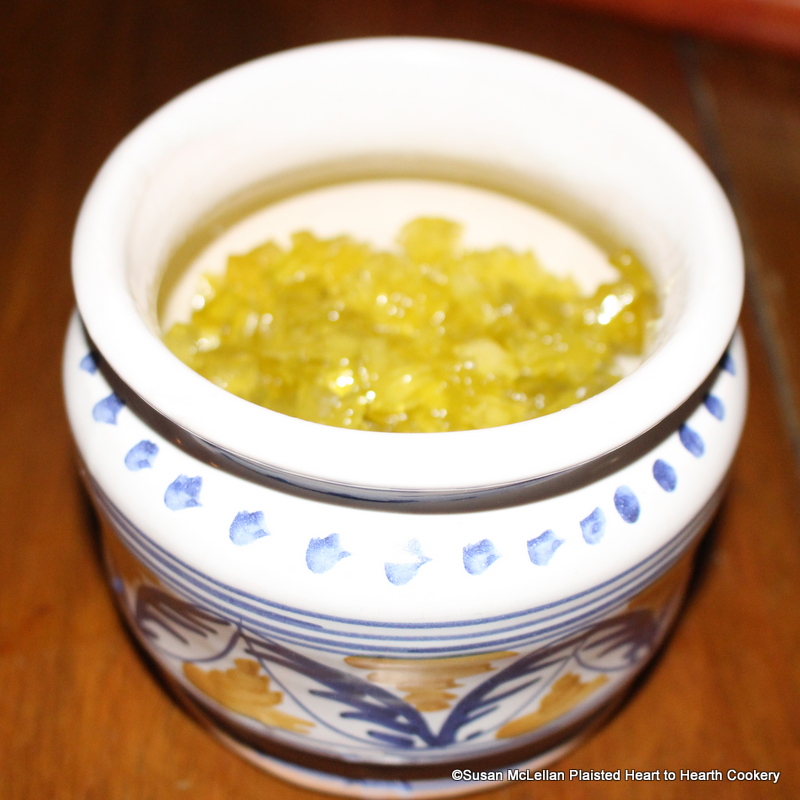
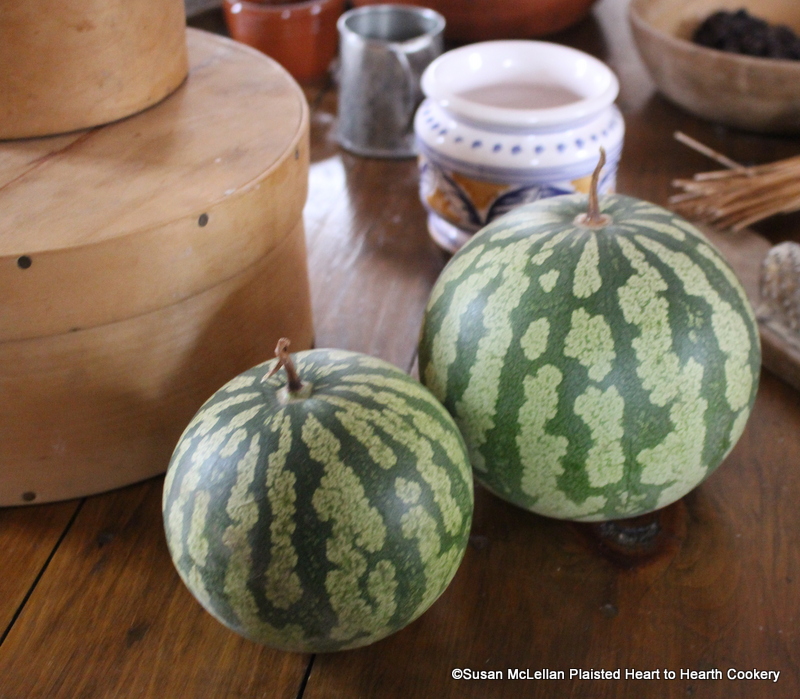
After the Oranado (candied orange peel) has been added to the coffin for the receipt (recipe) To make a Potato Pye add…Cittern. The word cittern is the spelling used in this receipt for the candied rind of Citrus medica known as citron. Citron is one of the oldest citrus fruits that was cultivated in southern Europe. It is typically yellow to green in color with a very thick, fragrant peel that was candied. A melon was named the American citron melon as it was used by European colonists to replace citron in receipts. In my gally pot is the candied rind of an American citron melon that was added to the coffin.
Visit my website at: hearttohearthcookery.com
Posted in Citron, culinary history, food, food history, Gally pot, Pyes (pies), receipts, recipes, sweet potato | Tags: Coffins, culinary history, food, food history, foodways
After the quartered dates have been added to the coffin for the receipt (recipe) To make a Potato Pye add…Oranado. Spelling is very inconsistent in 17th century receipts as the term is typically spelled orangado or orangeado. My gally pot contains my candied orange peel-oranado.
Visit my website at: hearttohearthcookery.com
Posted in Coffins, culinary history, food, food history, Gally pot, Pyes (pies), receipts, recipes, sweet potato | Tags: Coffins, culinary history, food, foodways