- Eating Sturgeon
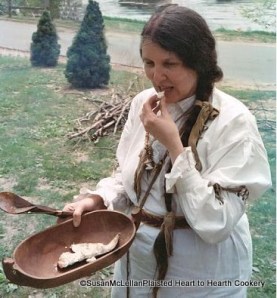
The taste of sturgeon is just “awesome”!!! It has the fine-grained texture of shark or swordfish, but the flavor of bay scallops in extra butter. It is rare to taste, but if you have the opportunity-try it!

The taste of sturgeon is just “awesome”!!! It has the fine-grained texture of shark or swordfish, but the flavor of bay scallops in extra butter. It is rare to taste, but if you have the opportunity-try it!
Posted in culinary history, Fish, food, food history, Lenape, Native American, sturgeon | Tags: culinary history, fish, food, food history, foodways, Lenape, Native American

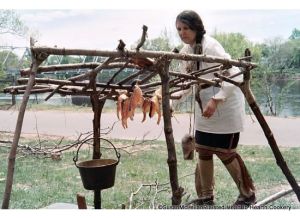
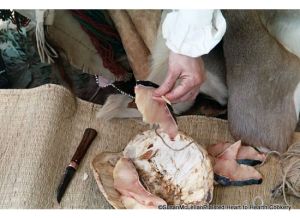
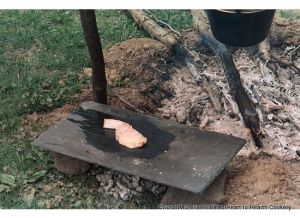
With all the flesh one sturgeon provides for processing (see previous posts on sturgeon), I had to cook some. I dragged embers under the rock and applied bear grease to keep the sturgeon from sticking.
Posted in culinary history, Fish, food, food history, Hearth cooking classes, Lenape, Native American, sturgeon | Tags: classes, culinary history, fish, food, food history, foodways, Lenape, Native American

This is the first of many “bites” that I will be adding to my blog that are from my many years of experimental archaeology with food. The picture quality will reflect the use of older cameras.
Posted in culinary history, Fish, food, food history, Lenape, Native American, sturgeon | Tags: culinary history, fish, food, food history, foodways, Native American, sturgeon
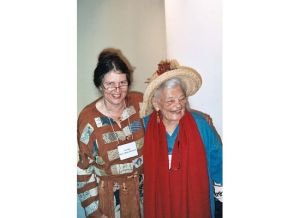
If you are interested in food history and have not read Martha Washington’s Book of Cookery, it should be a must read. As I opened my well-loved book to do some research, I paused in remembrance at the signature of Karen Hess, October 30, 1993. Karen was my idol, friend and mentor. The book includes a transciption by Karen of a seventeenth century manuscript that was in Martha Washington’s “keeping” at the time of her marriage to Daniel Custis. As the book plate states, Karen wrote historical notes and copious annotations.
Posted in books, culinary history, food history, Hearth cooking classes | Tags: classes, culinary history, food history

Holding a porcelan criollo cacao pod
Posted in chocolate, culinary history, food history, Hearth cooking classes | Tags: chocolate, classes, culinary history, food, food history, foodways, Hearth cooking classes

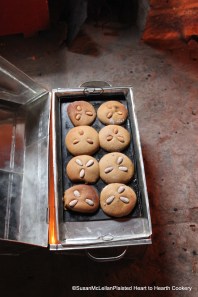
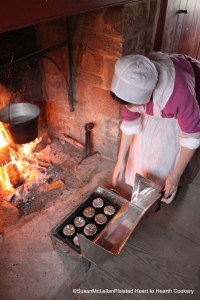
After posting Lebkuchen are Done! yesterday, I received several inquiries about the uneven baking in a tin kitchen. This picture shows the four lebkuchen in the center are near perfect doneness by my turning the baking sheet during the baking process. The lebkuchen on the ends receive the extra heat reflected by the sides. You can see two somewhat misshapen from my turning the individual lebkuchen to prevent excessive browning but the effect still shows.
Posted in culinary history, food, food history, Lebkuchen, Pennsylvania German foodways, tin baker | Tags: culinary history, food, food history, foodways, tin baker

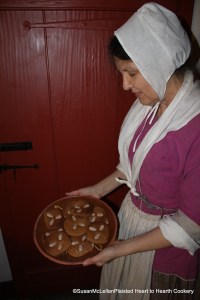
I am holding a redware plate of lebkuchen that were baked in a tin baker (see previous posts). The tin baker bakes from the back to the front and the baking sheet was turned during the baking process so that the lebkuchen would be more evenly browned.
Posted in culinary history, food, Lebkuchen, Pennsylvania German foodways, tin baker | Tags: baking, culinary history, food, food history, foodways, tin baker

The lebkuchen are now ready for baking and I am using my tin baker that reflects heat from the glowing embers and fire for baking. For more information on the lebkuchen receipt (recipe) see my previous December posts on Lebkuchen. (In the category list to the right of the blog.)
Posted in culinary history, food, hearth cooking demonstrations, tin baker | Tags: baking, culinary history, food, food history, foodways