Posted by: hearttohearthcookery | February 13, 2014

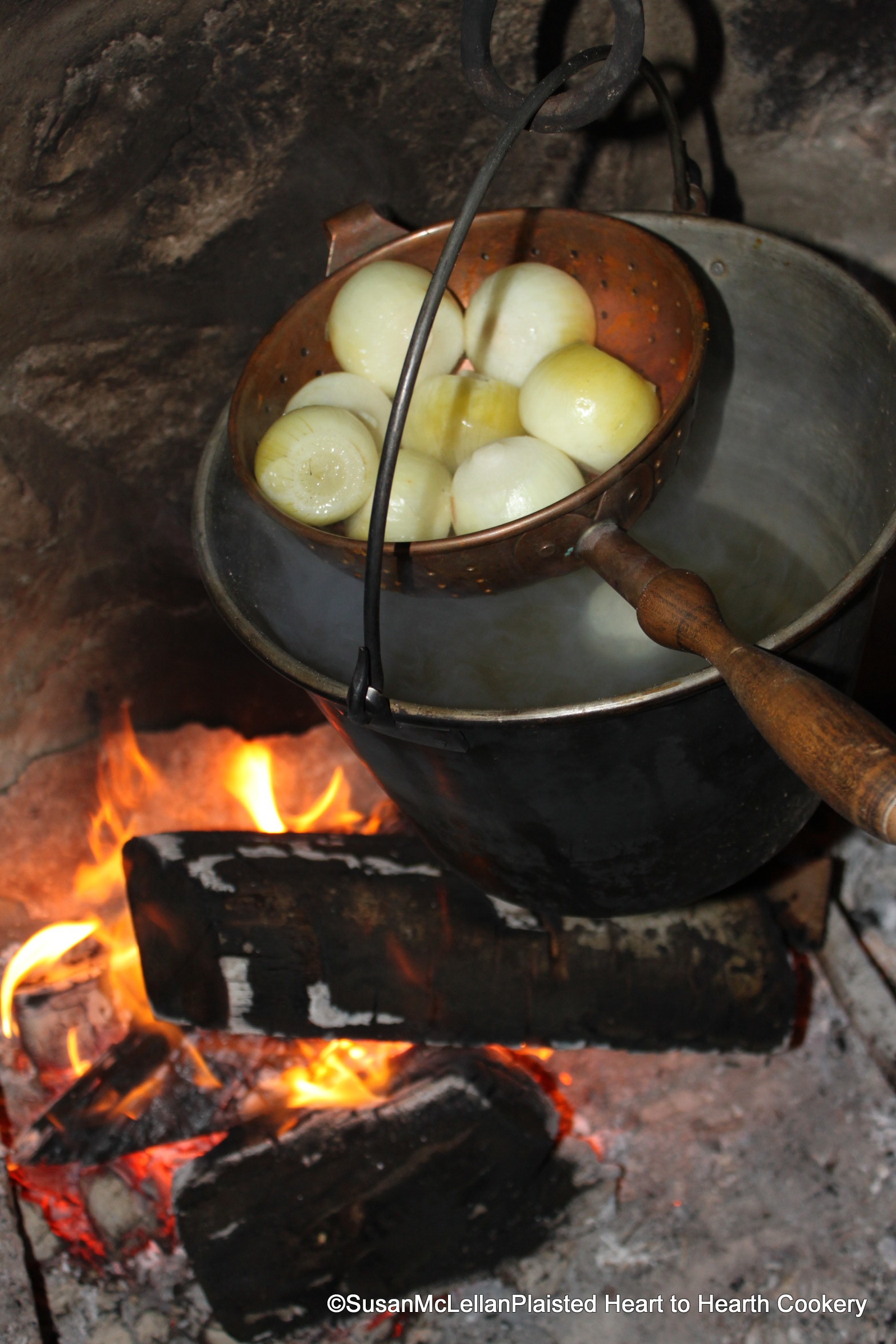
Drain in Colander

IMG_8200-001  After the onions are boiled, the receipt (recipe) for Onions to Butter is to drain them in a Colander.  It was a simple step with this rounded copper reproduction colander (see Food History Sources page) to scoop the onions directly from the kettle and let them drain.

Visit my website at:   www.hearttohearthcookery.com
Posted by: hearttohearthcookery | February 12, 2014

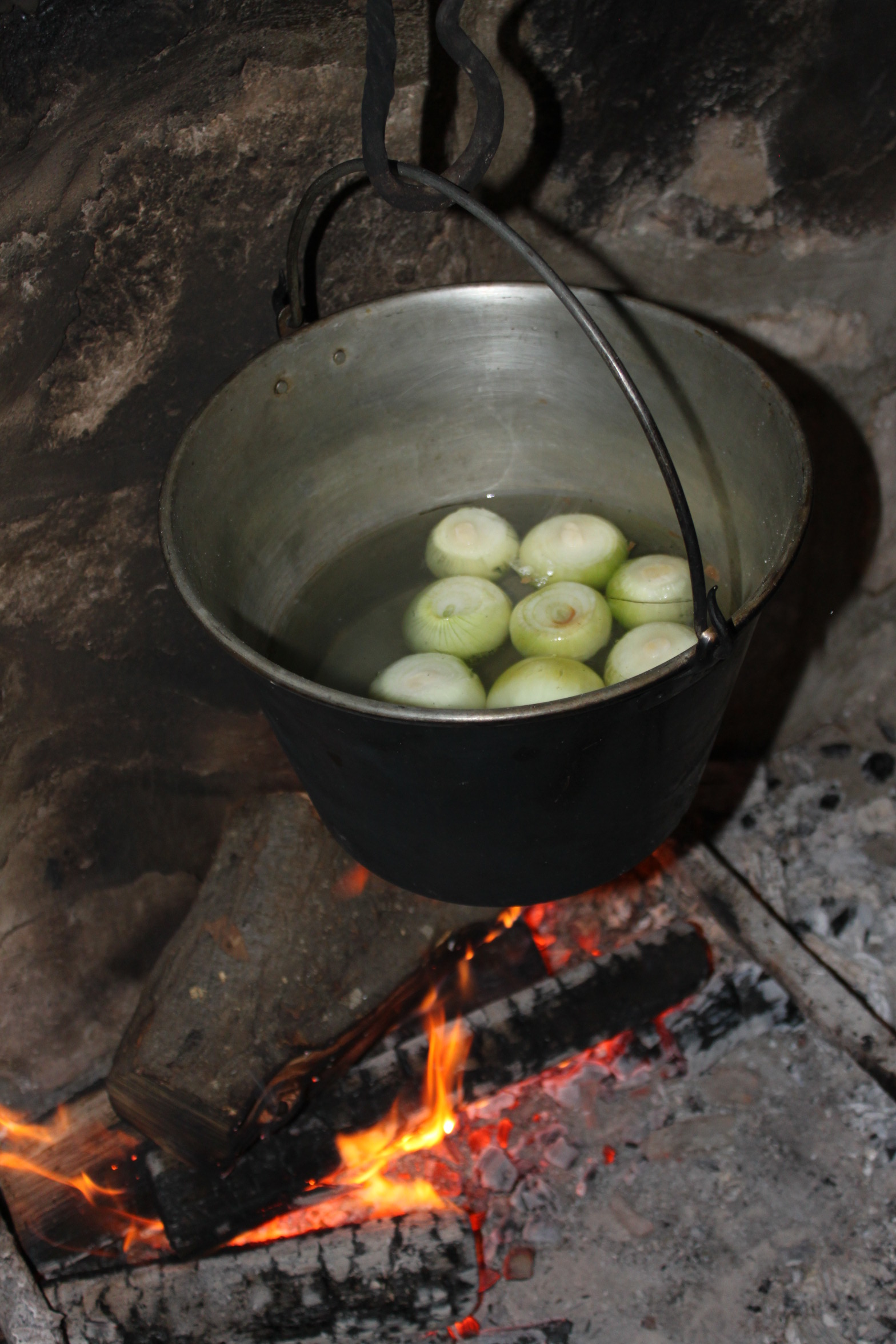
A Winter Receipt

IMG_8195-001    Onions from the last harvest winter well for several months.  A flavorful 18th century receipt (recipe) for onions is Onions to Butter.  To begin this receipt, peel them (onions), put them into boiling water.

Visit my website at:   www.hearttohearthcookery.com
Posted by: hearttohearthcookery | February 11, 2014

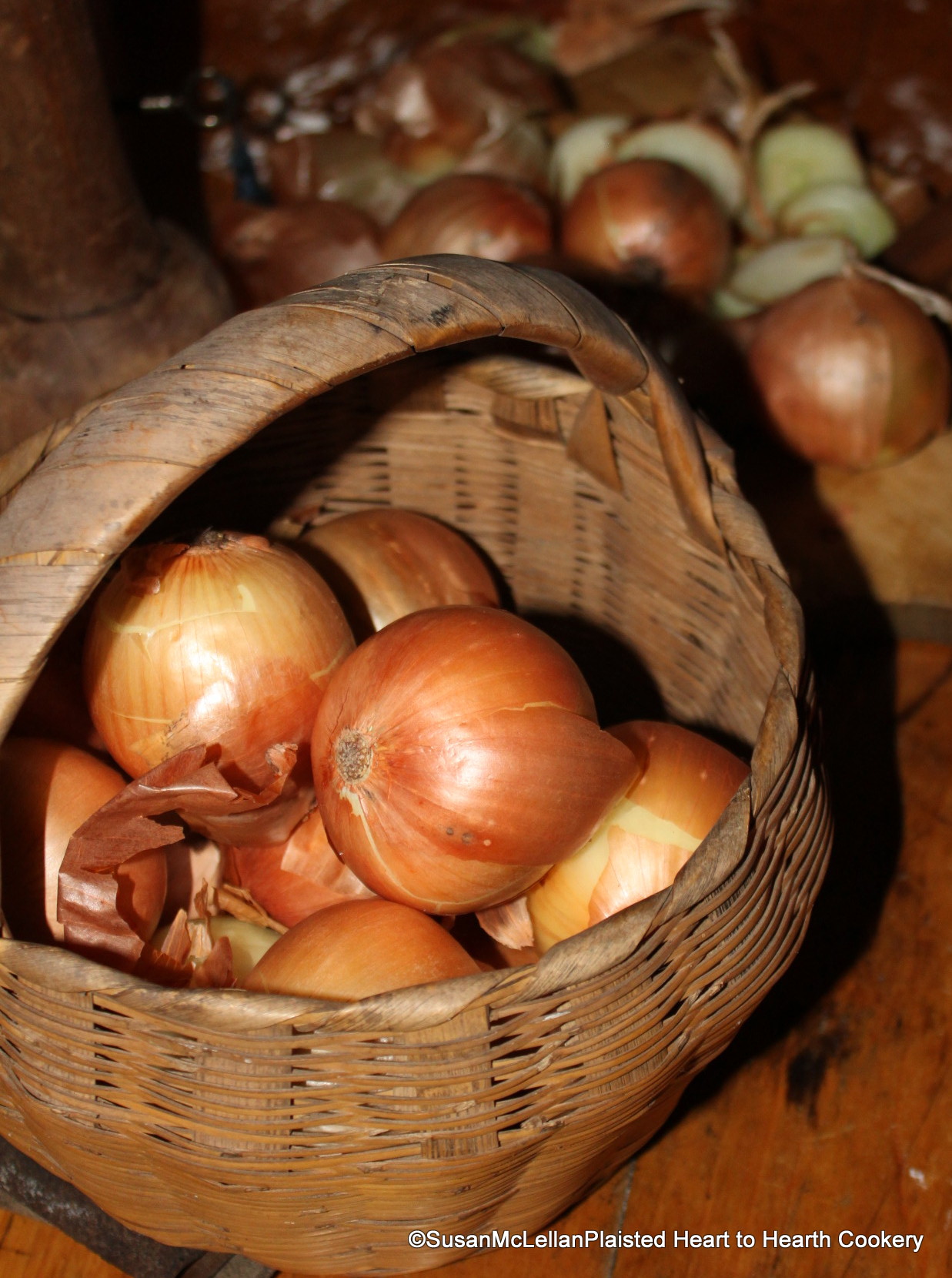
Allium cepa

IMG_8188-001

Allium cepa, onion,  is a member of the Lily family, and a close relation of leeks, chives and garlic.  By medieval times, onions had become a common vegetable through out Europe.  European seafarers took them to Asia, Africa and the New World.

Visit my website at:   www.hearttohearthcookery.com
Posted by: hearttohearthcookery | February 9, 2014

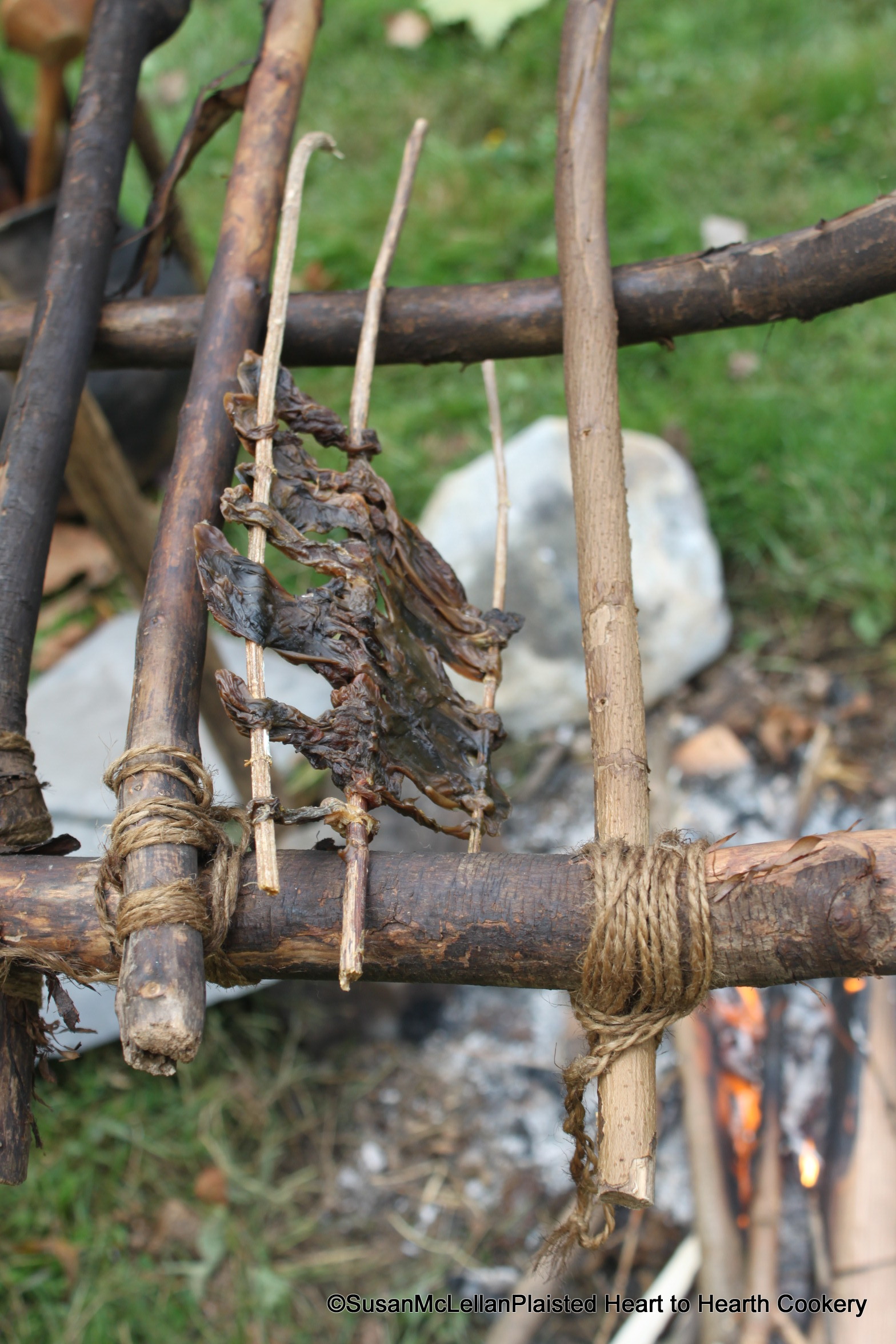
Oysters are Dried

IMG_7969-001

The oysters threaded on the nettle sticks were dried on the drying rack in the sun.  The Micmacs would cook the dried oysters in water, well seasoned with the the bear or seal.

Visit my website at:   www.hearttohearthcookery.com
Posted by: hearttohearthcookery | February 8, 2014

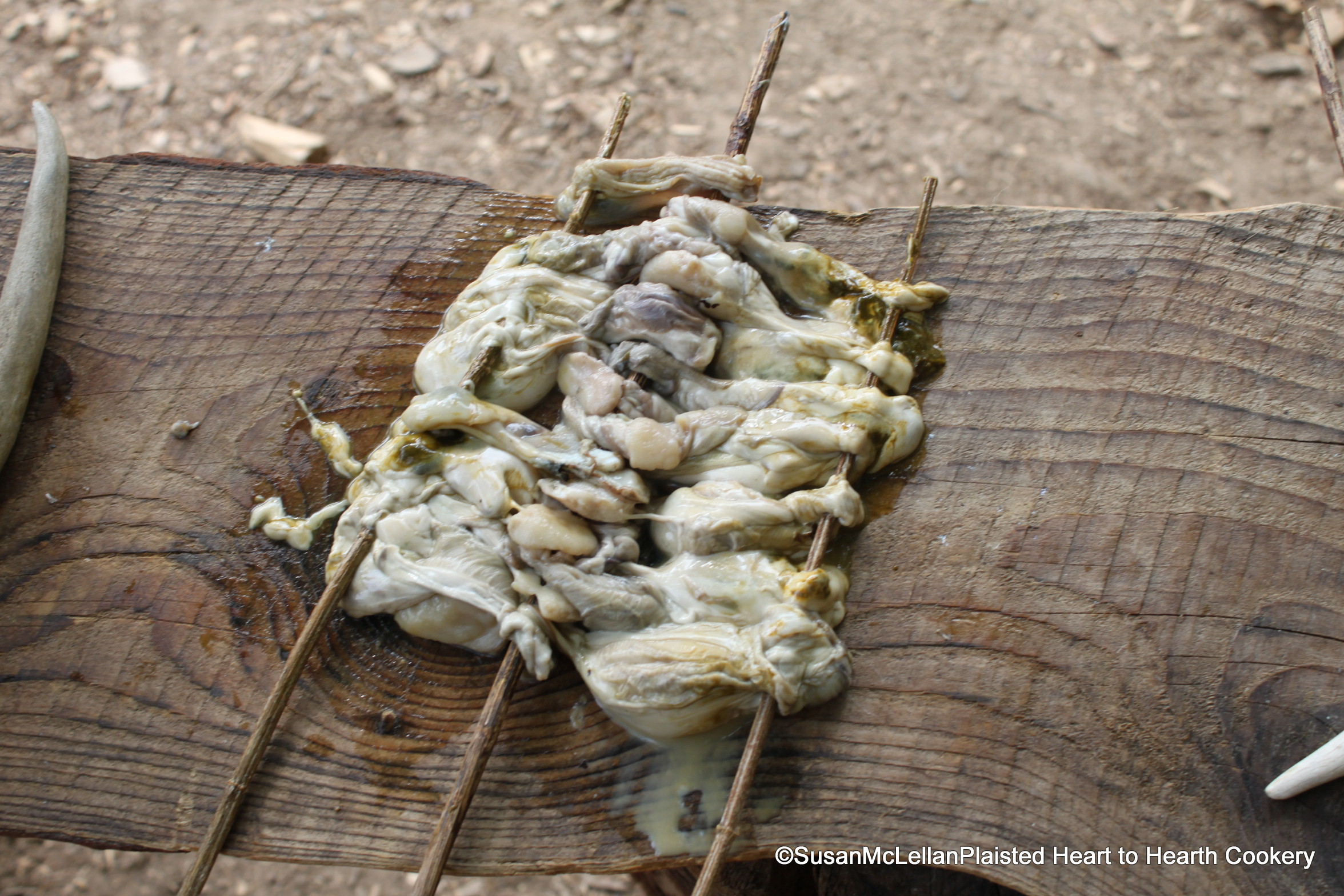
Oysters on Sticks

IMG_7906-001  After the oysters were impaled on the center nettle stick with their bodies  on alternating sides, two thinner nettle sticks were threaded through the opposite end of the oyster.  The oysters are now held in place and spread to dry in the sun.

Visit my website at:   www.hearttohearthcookery.com

Posted by: hearttohearthcookery | February 6, 2014

To Thread the Oysters

IMG_7904-001  Replicating a display at the Abbe Museum on the native technique of drying oysters,  I first used  my deer bone awl  to make a small hole in the oysters to allow the oyster to be threaded onto a center stick alternating the side the body of the oyster was positioned.

Visit my website at:   www.hearttohearthcookery.com
Posted by: hearttohearthcookery | February 5, 2014

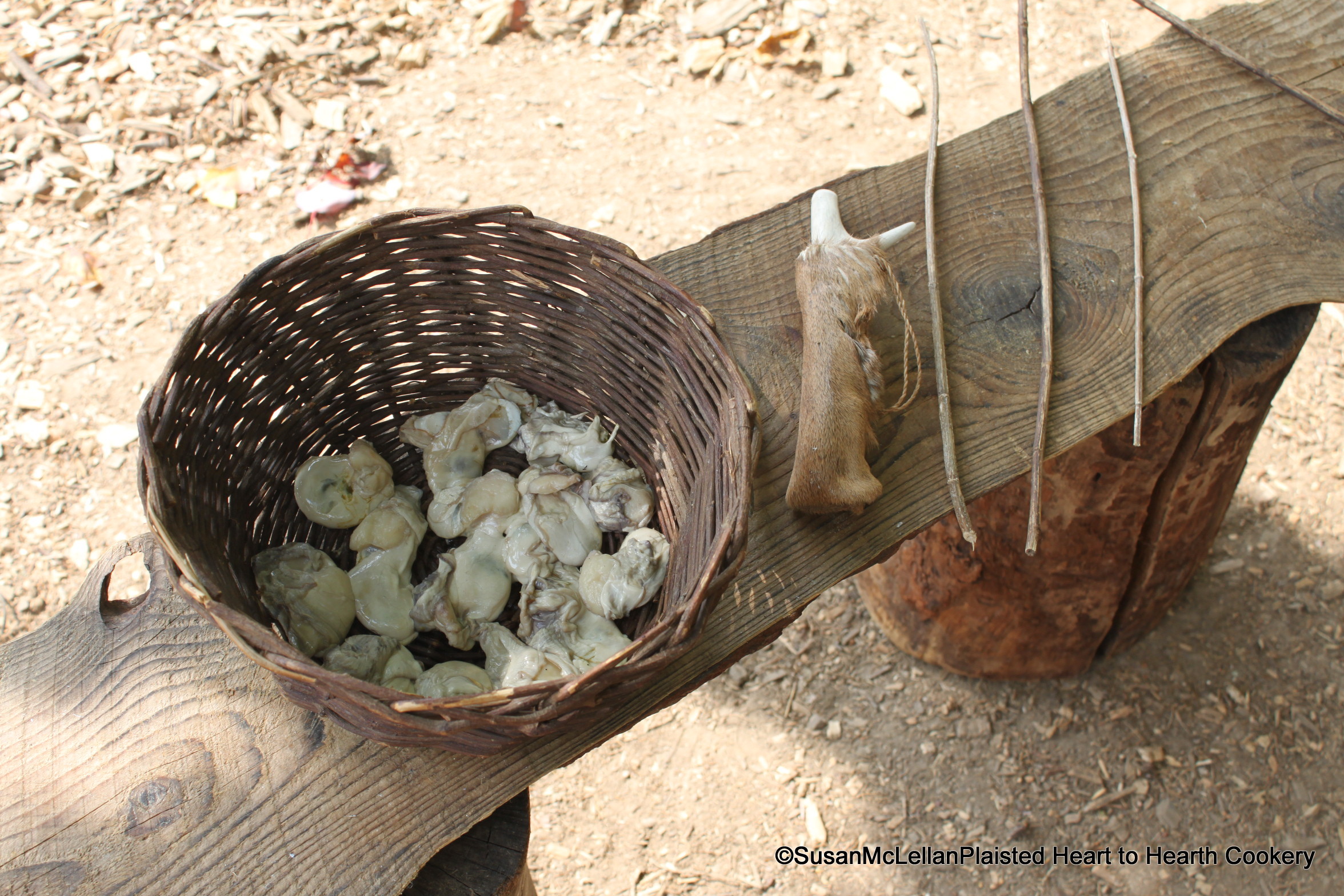
Basket, Awl and Nettle Sticks

IMG_7902-001

To keep harvested oysters for future use, oysters were dried in the sun by the Eastern Abenaki.   In preparation  for drying oysters in the sun, I have a grape vine basket with oysters, a deer bone awl in a deer skin holder and nettle sticks.

Visit my website at:   www.hearttohearthcookery.com
Posted by: hearttohearthcookery | February 4, 2014

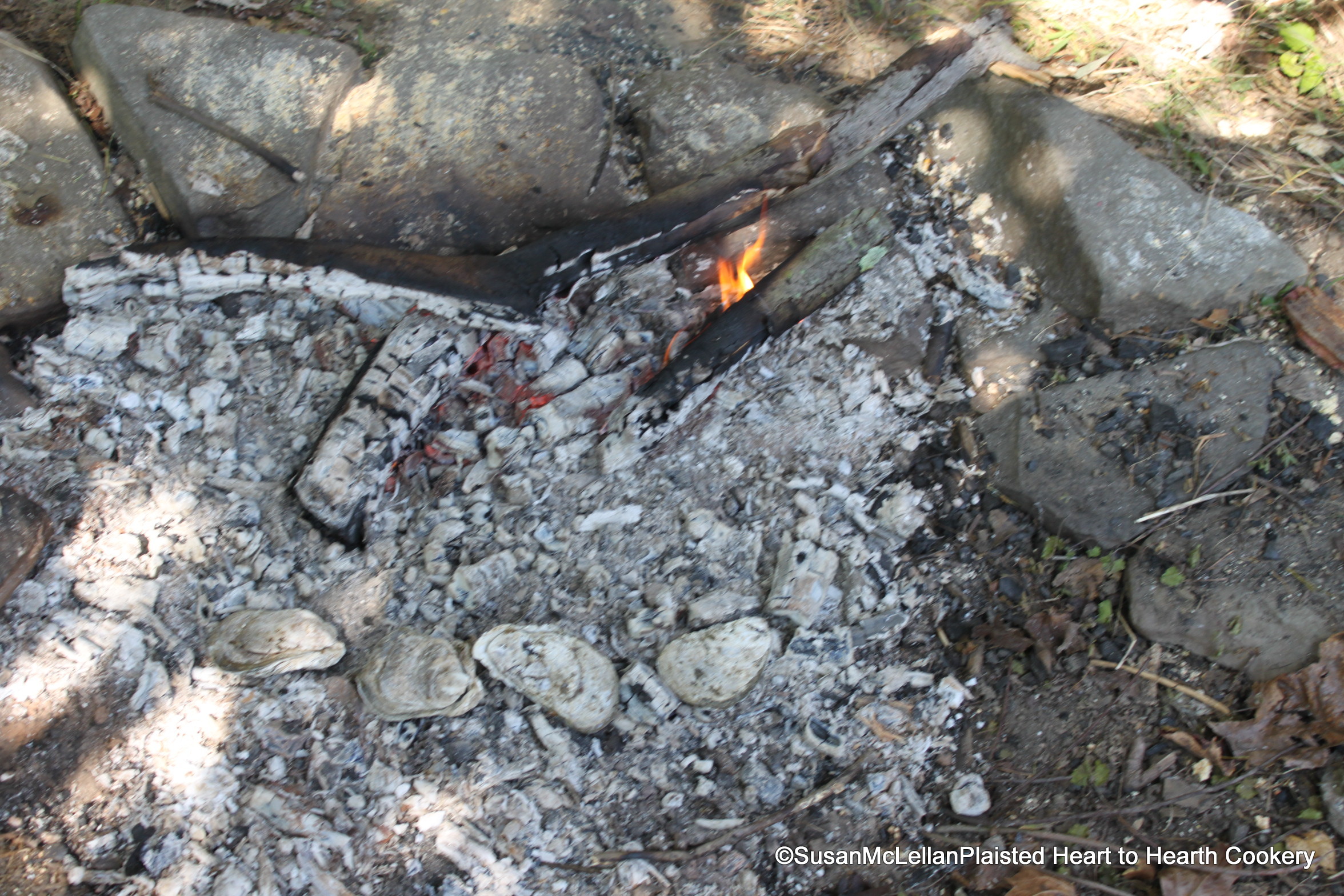
Placed Upon the Coals

IMG_7899-001  Once harvested (see previous post) the oysters were either cooked  by being placed upon the coals or heated until the shell was easily opened but without cooking the oyster so it could be obtained for drying.

Visit my website at:   www.hearttohearthcookery.com
Posted by: hearttohearthcookery | February 3, 2014

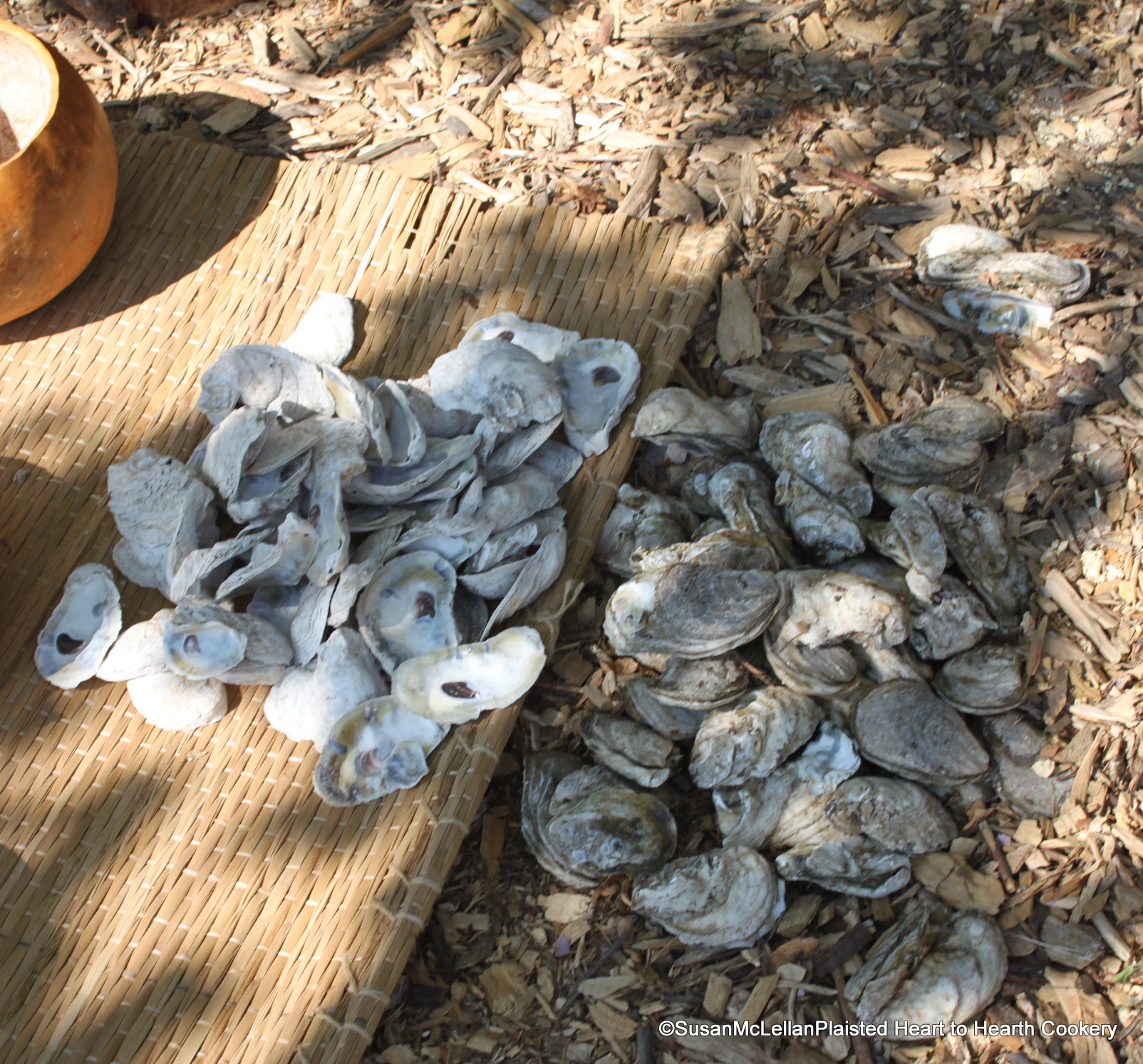
Manna for the Winter

IMG_7897-001   Nicolas Denys in 1672 described the Mi’kmaqs (Micmacs) catching and cooking oysters in the winter.  They are a great manna for the winter when the weather does not permit going on the hunt. … To obtain them the ice is broken and two long poles tied together about half-way up; then this is opened and closed like pincers.  The Oysters are drawn from the water and thrown upon the ice.

Visit my website at:   www.hearttohearthcookery.com
Posted by: hearttohearthcookery | February 2, 2014

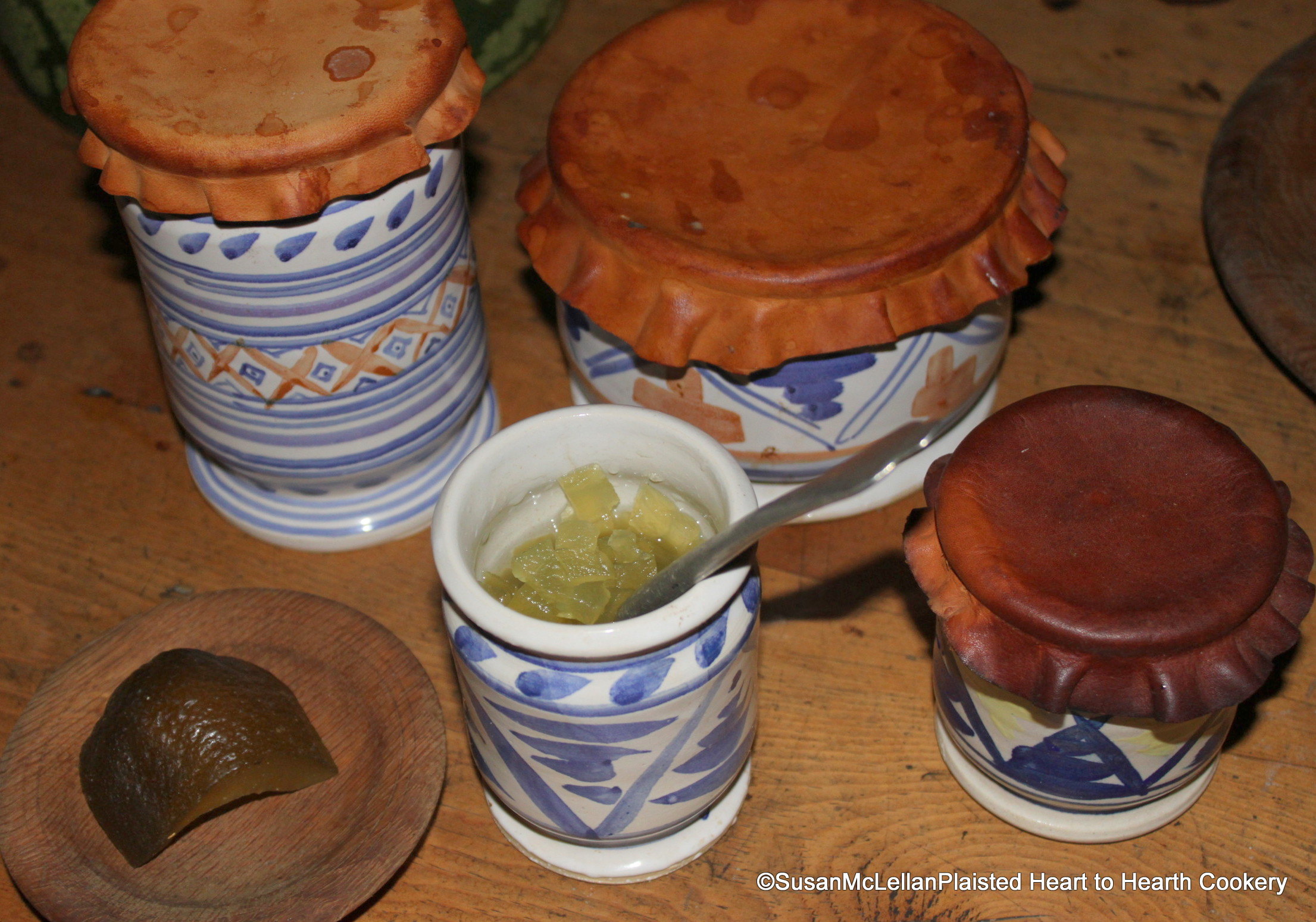
Citrus Medica

IMG_7945-001

In the lower left corner on a wood plate, is the candied rind of a true Citrus Medica (citron), considered the first citrus fruit in the Mediterranean.  The apothecary pot is filled with the receipt (recipe)  The American Citron which can be used in culinary uses of the candied original citron but  it does not have the original’s medicinal properties.

Visit my website at:   www.hearttohearthcookery.com

« Newer Posts - Older Posts »

Categories