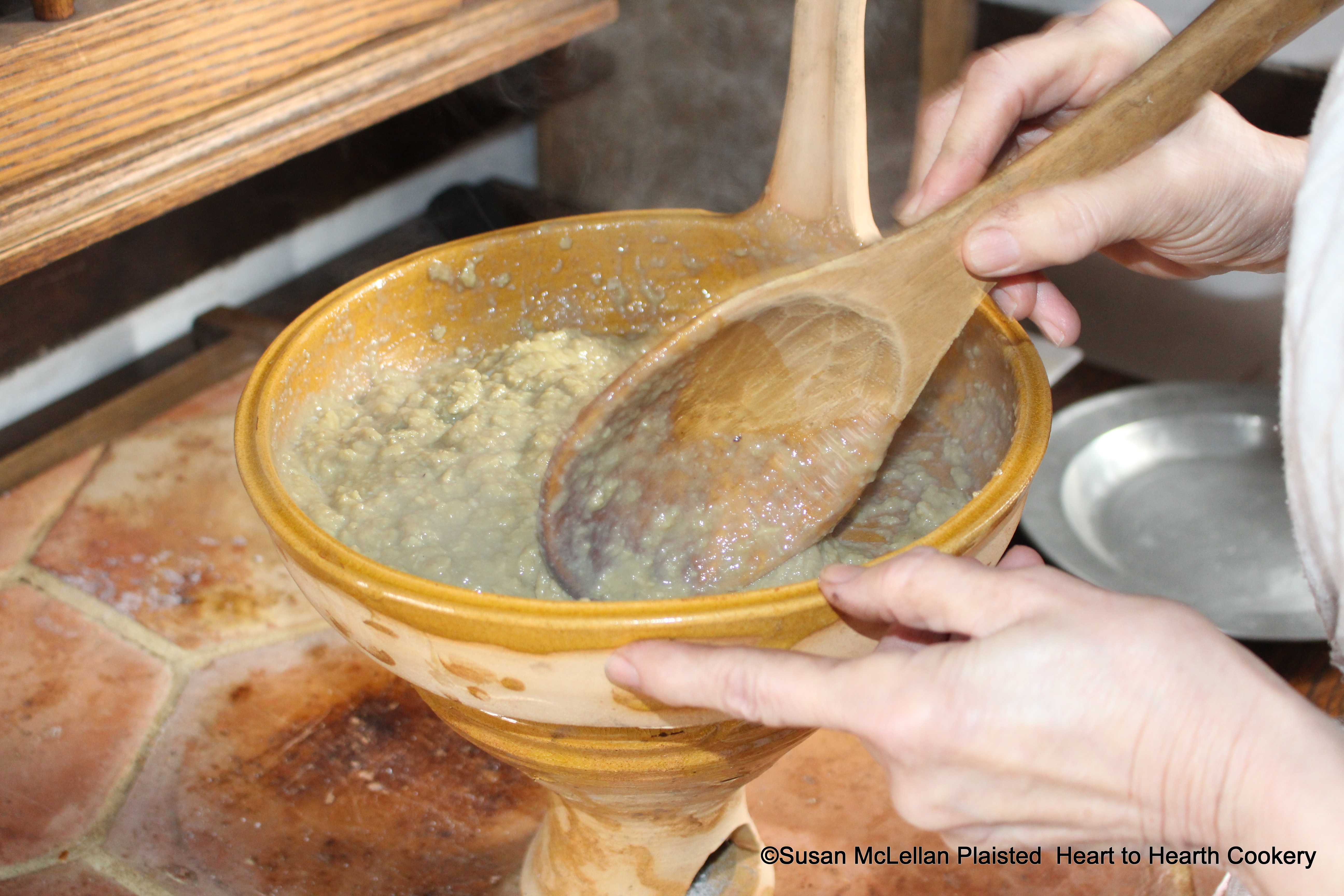
After the Lemon Tart is removed from the bake kettle, the manuscript receipt (recipe) states to grate sugar over it. Sugar was purchased in a hard conical loaf that could be grated.
Visit my website at: www.hearttohearthcookery.com
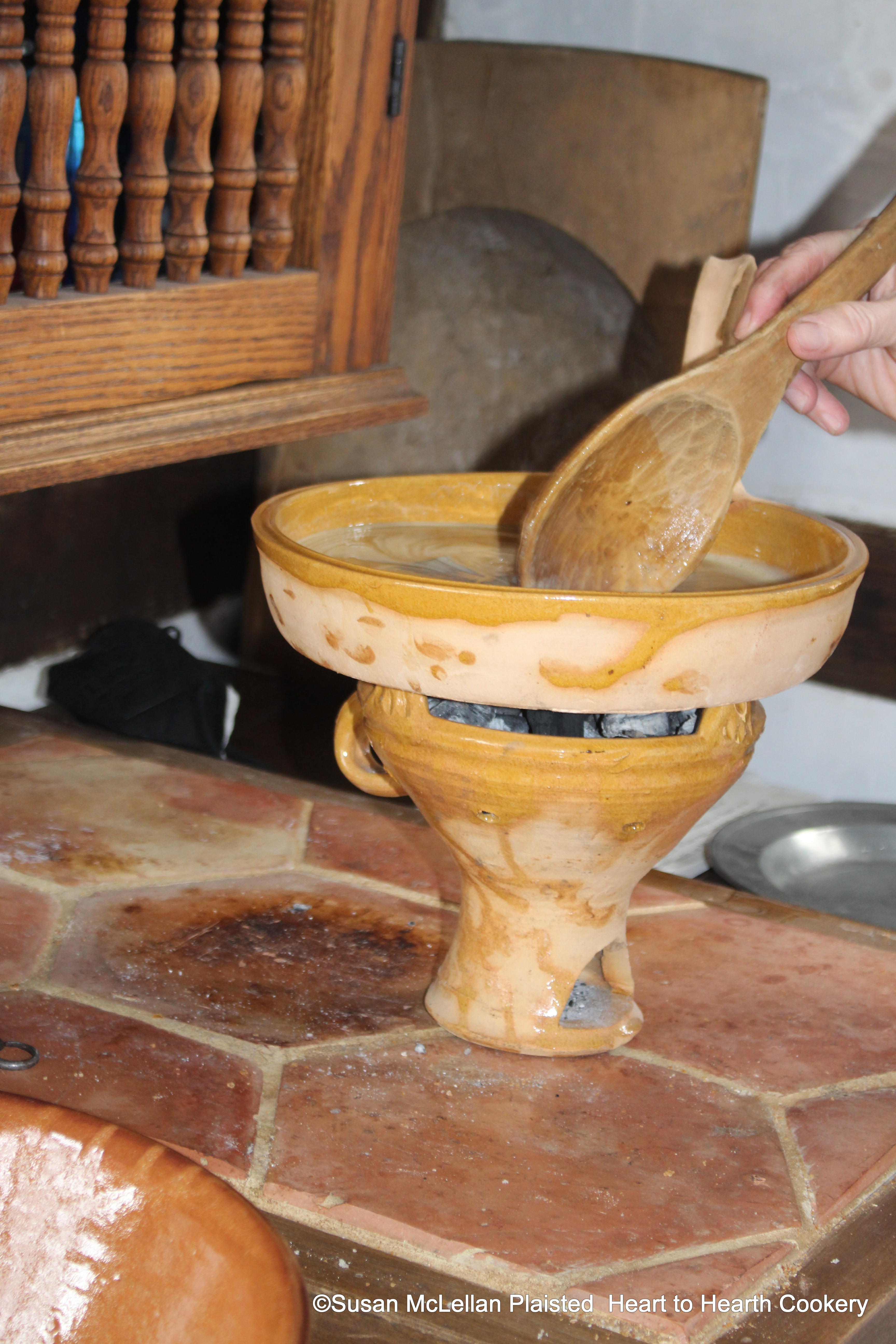
After the Lemon Tart is removed from the bake kettle, the manuscript receipt (recipe) states to grate sugar over it. Sugar was purchased in a hard conical loaf that could be grated.
Visit my website at: www.hearttohearthcookery.com
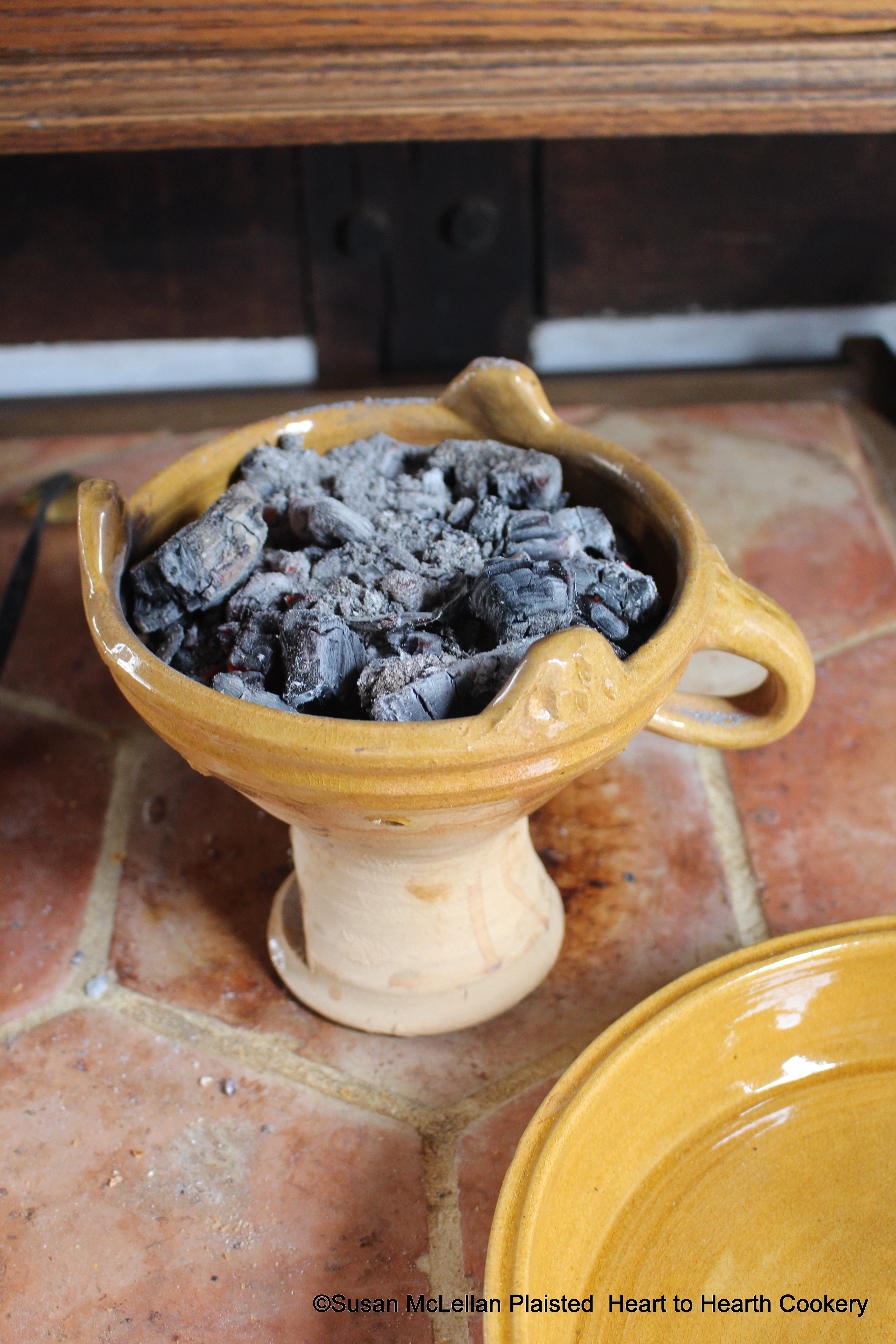
Posted in culinary history, food, food history, Hannah Haines, Lemons, Manuscript receipts, receipts, recipes, tarts | Tags: culinary history, food, food history, foodways
I am using to pieces of leather to protect my hands as I remove the Lemon Tart that is baked to a wonderful color from the bake kettle. This receipt (recipe) is from the manuscript receipt book of Hannah Marshall Haines who resided at Wyck in the Germantown area of Philadelphia.
Visit my website at: www.hearttohearthcookery.com
Posted in bake kettle, culinary history, food, food history, Hannah Haines, Lemons, Manuscript receipts, receipts, recipes, tarts | Tags: culinary history, food, food history, foodways
The receipt (recipe) Lemon Tart from the manuscript receipt book of Hannah Marshall Haines was placed in a bake kettle on embers for baking. The lid, where more embers will be laid, is to the bottom left of the picture.
Visit my website at: www.hearttohearthcookery.com
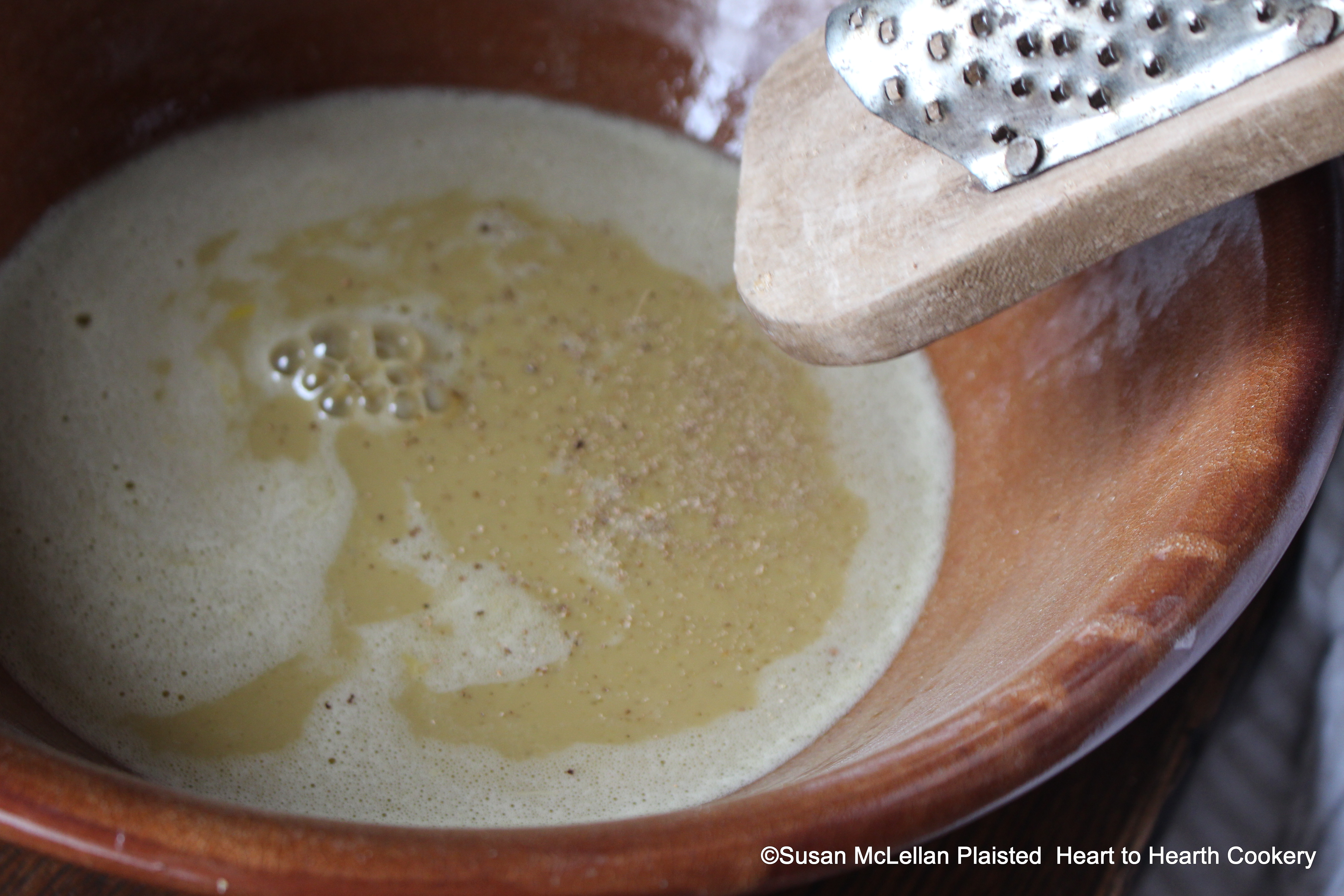
Posted in bake kettle, culinary history, food, food history, Hannah Haines, Lemons, Manuscript receipts, receipts, recipes, tarts | Tags: culinary history, food, food history, foodways
After the grated lemon rind of three lemons and juice of one are added for the manuscript receipt (recipe) Lemon Tart, the mixture of butter, sugar, egg yolks and lemon was ready to be put in the paste (pastry crust).
Visit my website at: www.hearttohearthcookery.com
Posted in culinary history, food, food history, Lemons, Manuscript receipts, Pastes (pastry), receipts, recipes, tarts | Tags: culinary history, food, food history, foodways
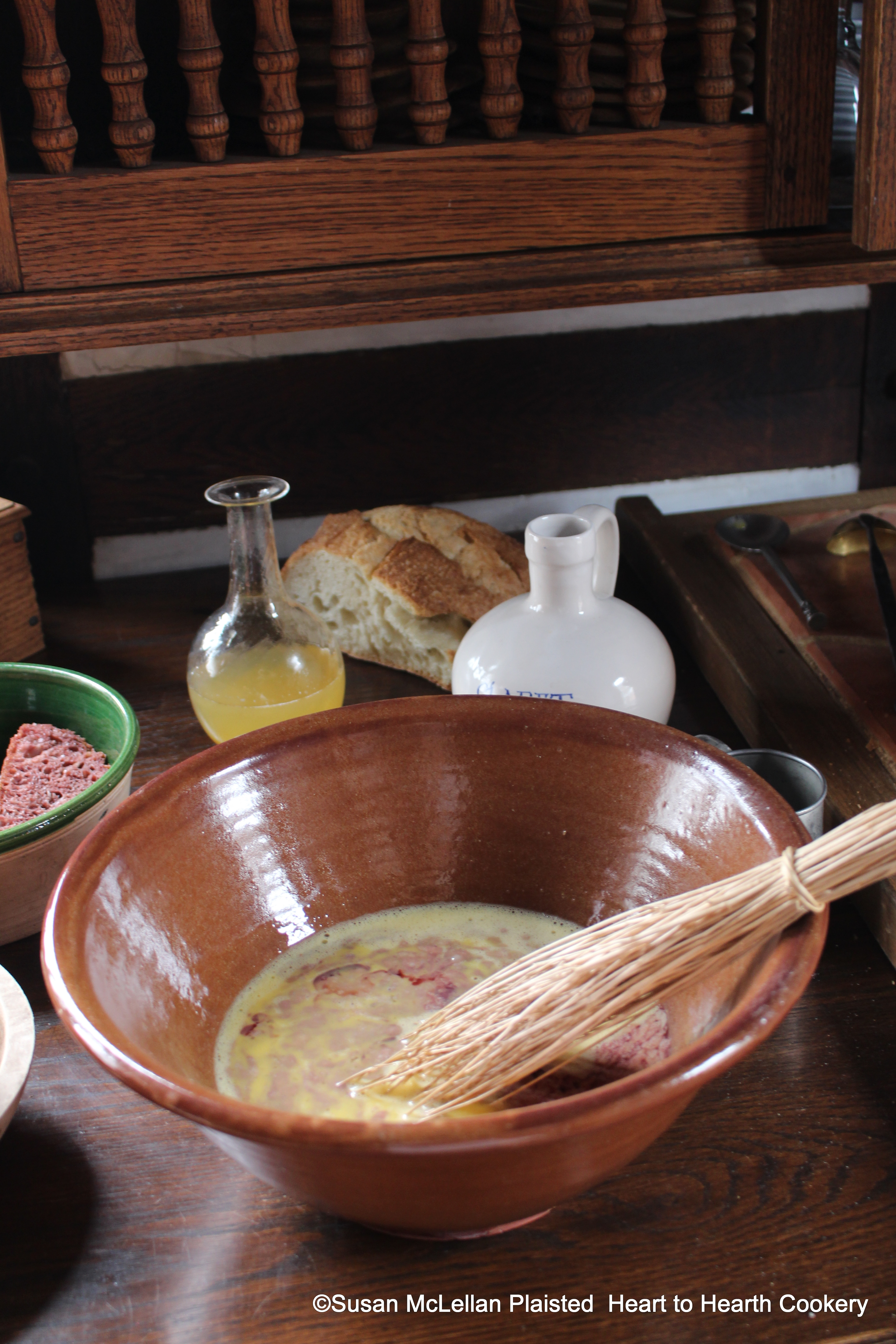
After the yolks of twelve eggs have been mixed with the butter and sugar for the manuscript receipt (recipe) Lemon Tart, add the rind of three Lemons and the juice of one Lemon.
Visit my website at: www.hearttohearthcookery.com
Posted in culinary history, food, food history, Hannah Haines, Lemons, Manuscript receipts, receipts, recipes, tarts | Tags: culinary history, food, food history, foodways
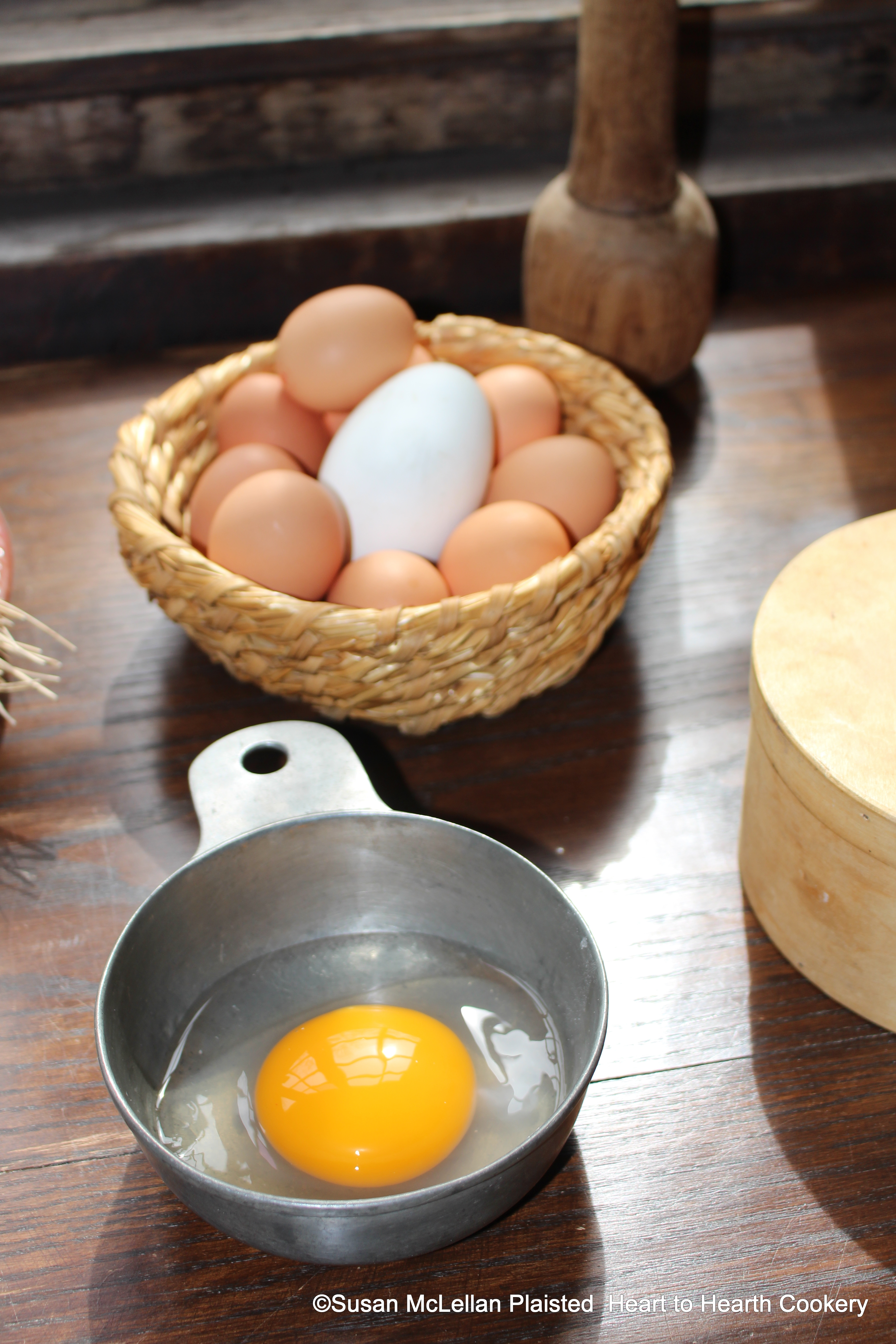
After the three quarter pound of butter and sugar have been mixed for the manuscript receipt (recipe) Lemon Tart add the yolks of 12 eggs.
Visit my website at: www.hearttohearthcookery.com
Posted in culinary history, food, food history, Lemons, receipts, recipes, tarts | Tags: culinary history, food, food history, foodways
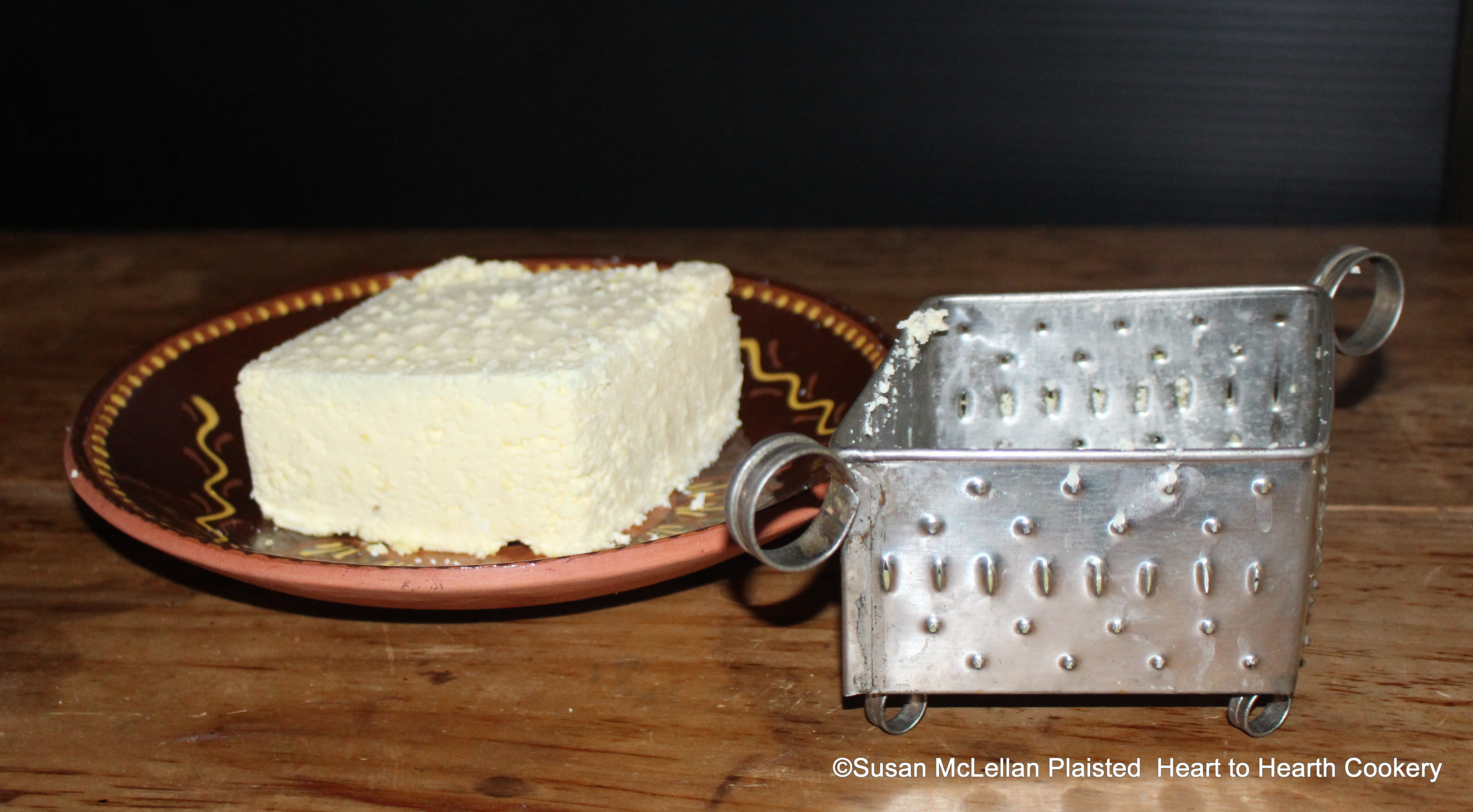
After softening three quarter of butter for the manuscript receipt (recipe) Lemon Tart the same of sugar was added.
Visit my website at: www.hearttohearthcookery.com
Posted in culinary history, food, food history, Lemons, receipts, recipes, tarts | Tags: culinary history, food, food history, foodways
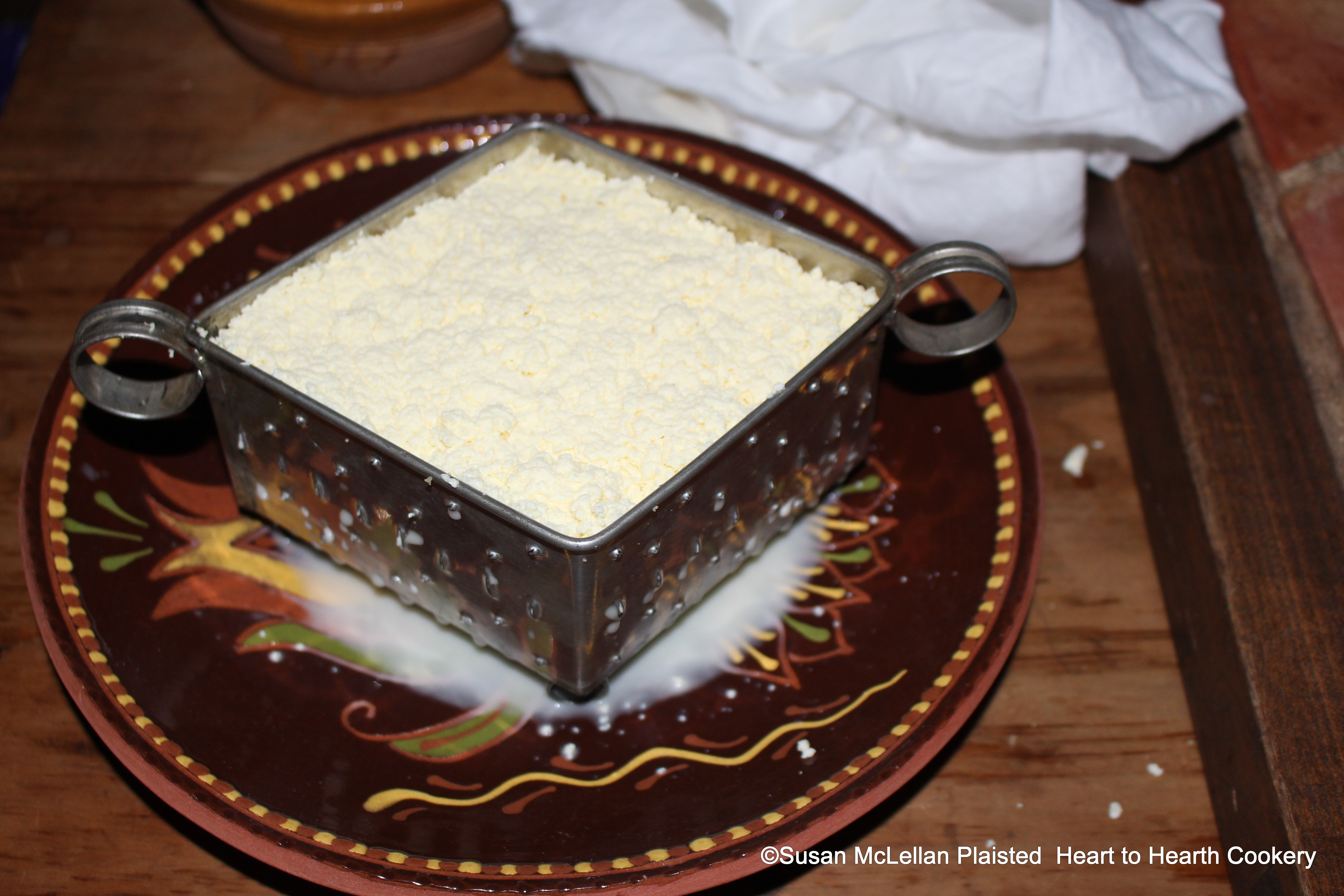
The manuscript receipt (recipe) for Lemon Tart reads three quarters of Butter so I softened three quarter of a pound of butter.
Visit my website at: www.hearttohearthcookery.com
Posted in culinary history, food, food history, Hannah Haines, Lemons, Manuscript receipts, receipts, recipes | Tags: culinary history, food, food history, foodways
This receipt (recipe) for Lemon Tart is from the manuscript receipt book of Hannah Marshall Haines (1765-1828) and was researched at the Wyck House Museum (also known as Haines House) when the book was part of their collection. I started with the last step first and that was put a paste in the Bottom of the Dish.
Visit my website at: www.hearttohearthcookery.com
Posted in culinary history, food, food history, Hannah Haines, Lemons, Manuscript receipts, Pastes (pastry), receipts, recipes, tarts | Tags: culinary history, food, food history, foodways
The posset pot is in the center of the table with the sillabub pots symmetrically placed on either side of the table. The sillabub pots have been filled with the froth (silly bubbles) from the receipt (recipe) To make a very fine Sillabub and both pots set for twelve hours.
Visit my website at: www.hearttohearthcookery.com
Posted in confectionery, culinary history, food, food history, receipts, recipes, sillibub pot, syllabubs | Tags: confectionery, culinary history, food, food history, foodways