
After the butter, sugar, flour, rose water, and cinnamon are mixed together for the receipt (recipe) Whafles make it into balls as big as a nutmeg.
Visit my website at: www.hearttohearthcookery.com
After the butter, sugar, flour, rose water, and cinnamon are mixed together for the receipt (recipe) Whafles make it into balls as big as a nutmeg.
Visit my website at: www.hearttohearthcookery.com
Posted in culinary history, food, food history, receipts, recipes, Waffles | Tags: culinary history, food, food history, foodways, Waffles
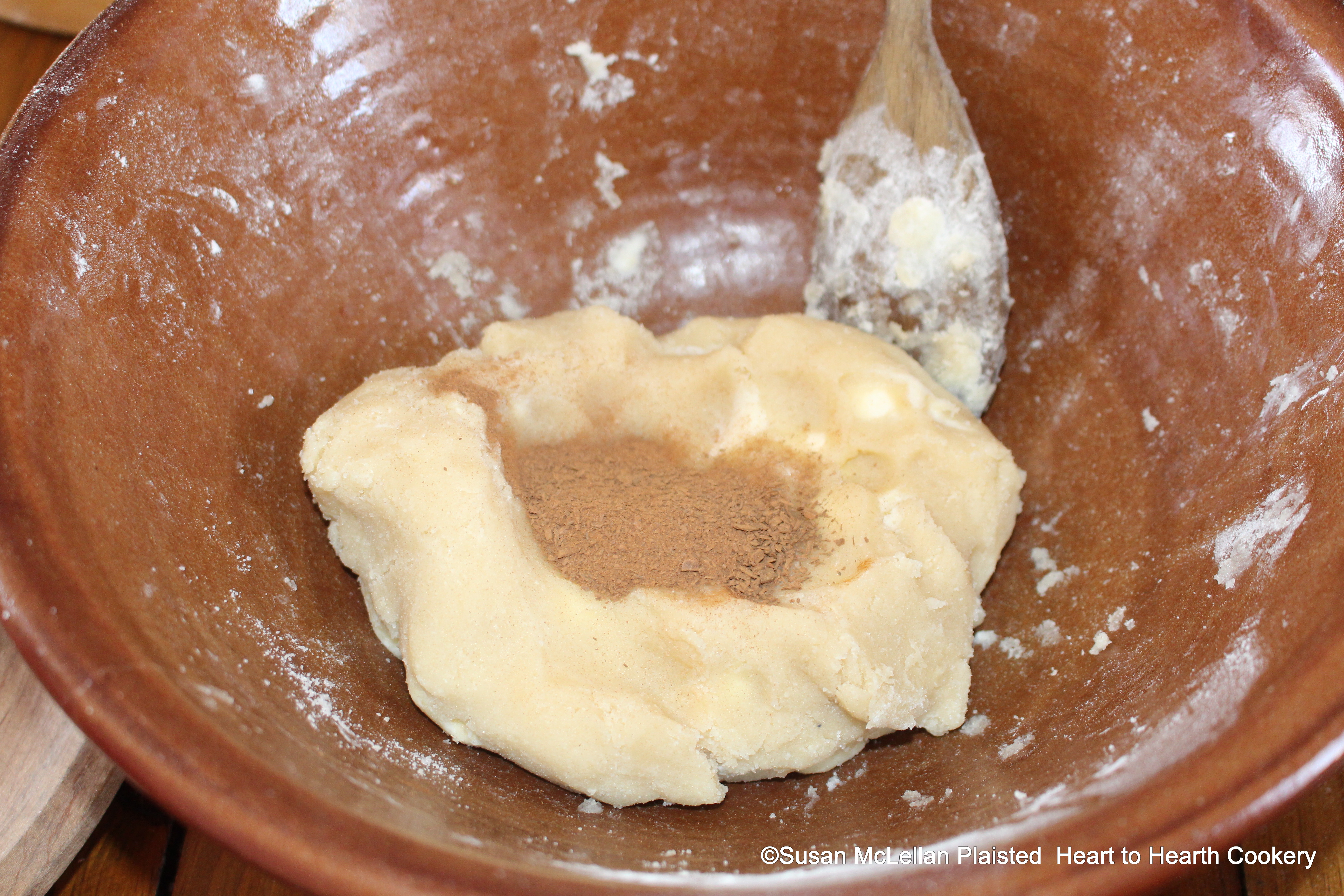
The final ingredient for the receipt (recipe) Whafles is half an ounce cinnamon which is added to the pound of butter, sugar, flour and glass rose water.
Visit my website at: www.hearttohearthcookery.com
Posted in culinary history, food, food history, receipts, recipes, Waffles | Tags: culinary history, food, food history, foodways, Waffles
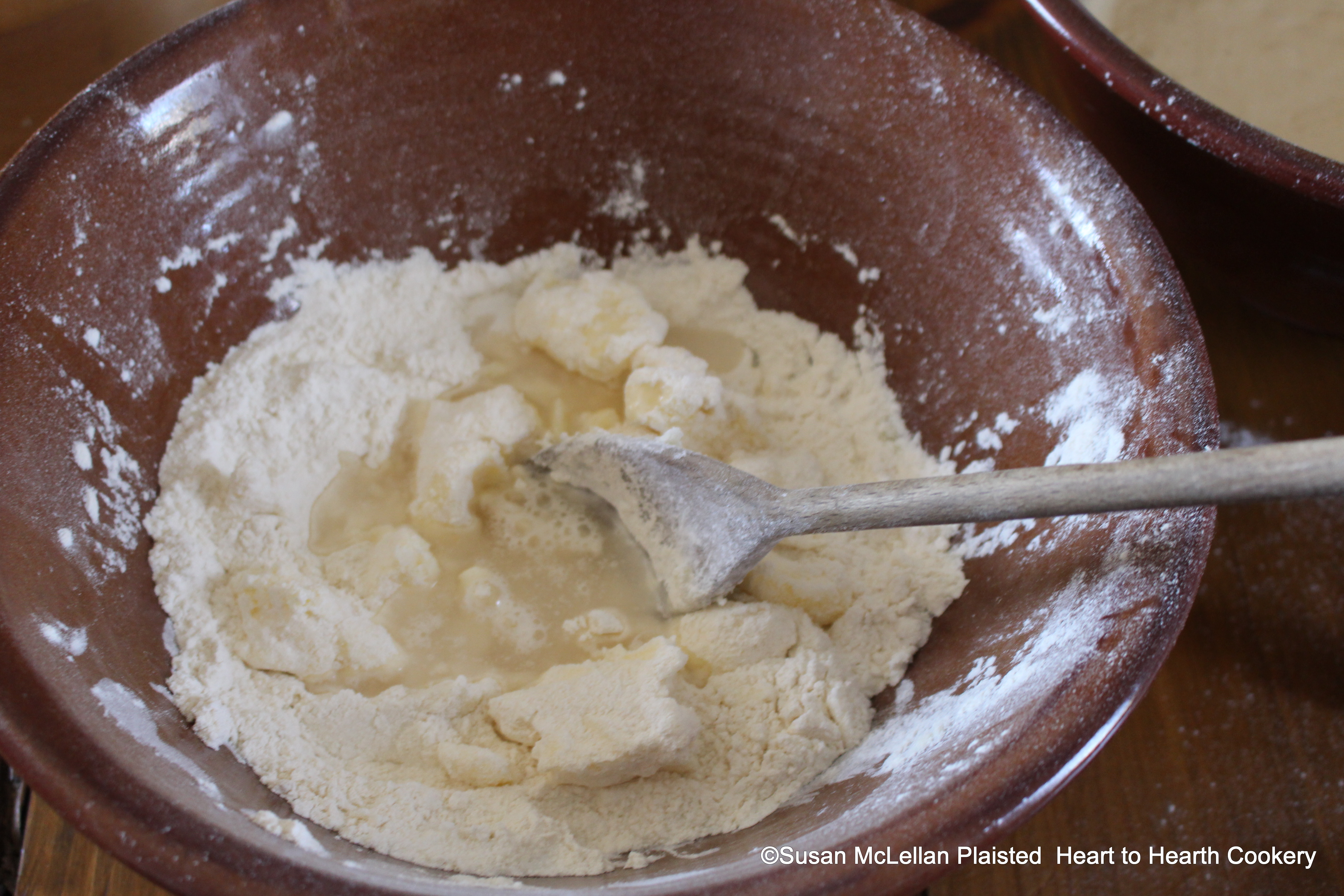
After one pound of sugar and a pound of flour have been added to the pound of butter for the receipt (recipe) Whafles add one glass rose water.
Visit my website at: www.hearttohearthcookery.com
Posted in culinary history, food, food history, receipts, recipes, Waffles | Tags: culinary history, food, food history, foodways, Waffles

The third ingredient for the receipt (recipe) Whafles is a pound of flour which was added to the pound of butter and pound of sugar. This receipt is going to differ from a pound cake receipt as there are no eggs.
Visit my website at: www.hearttohearthcookery.com
Posted in culinary history, food, food history, receipts, recipes, Waffles | Tags: culinary history, food, foodways, Waffles
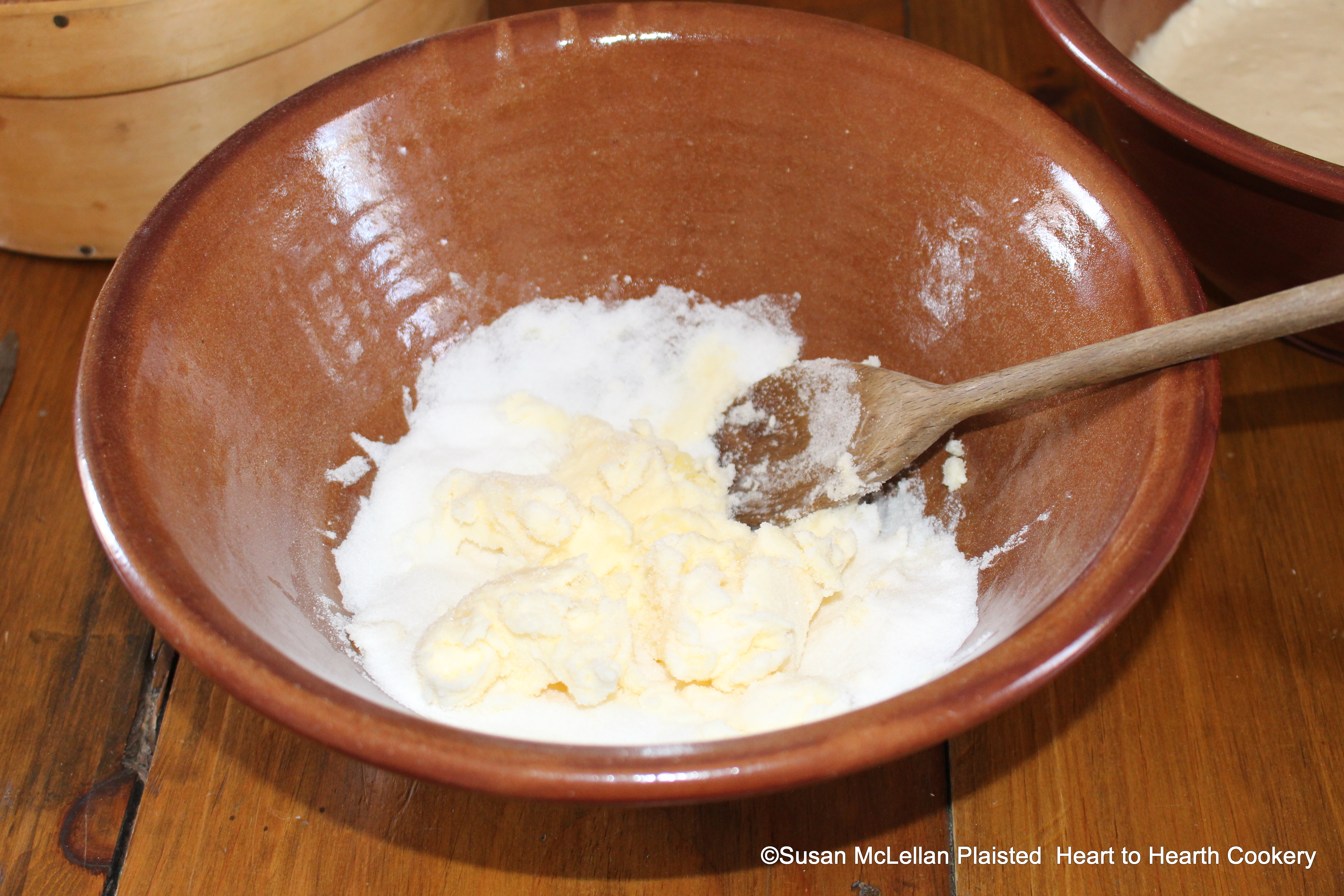
One pound of sugar
The second ingredient for the receipt (recipe) Whafles is to add one pound of sugar to the one pound of butter.
Visit my website at: www.hearttohearthcookery.com
Posted in culinary history, food, food history, receipts, recipes | Tags: culinary history, food, food history, foodways, Waffles

For the receipt (recipe) Whafles start with working one pound of butter. If you are wondering what whafles are, you would be more familiar with the word waffles.
Visit my website at: www.hearttohearthcookery.com
Posted in culinary history, food, food history, receipts, recipes, Waffles | Tags: culinary history, food, food history, foodways, Waffles
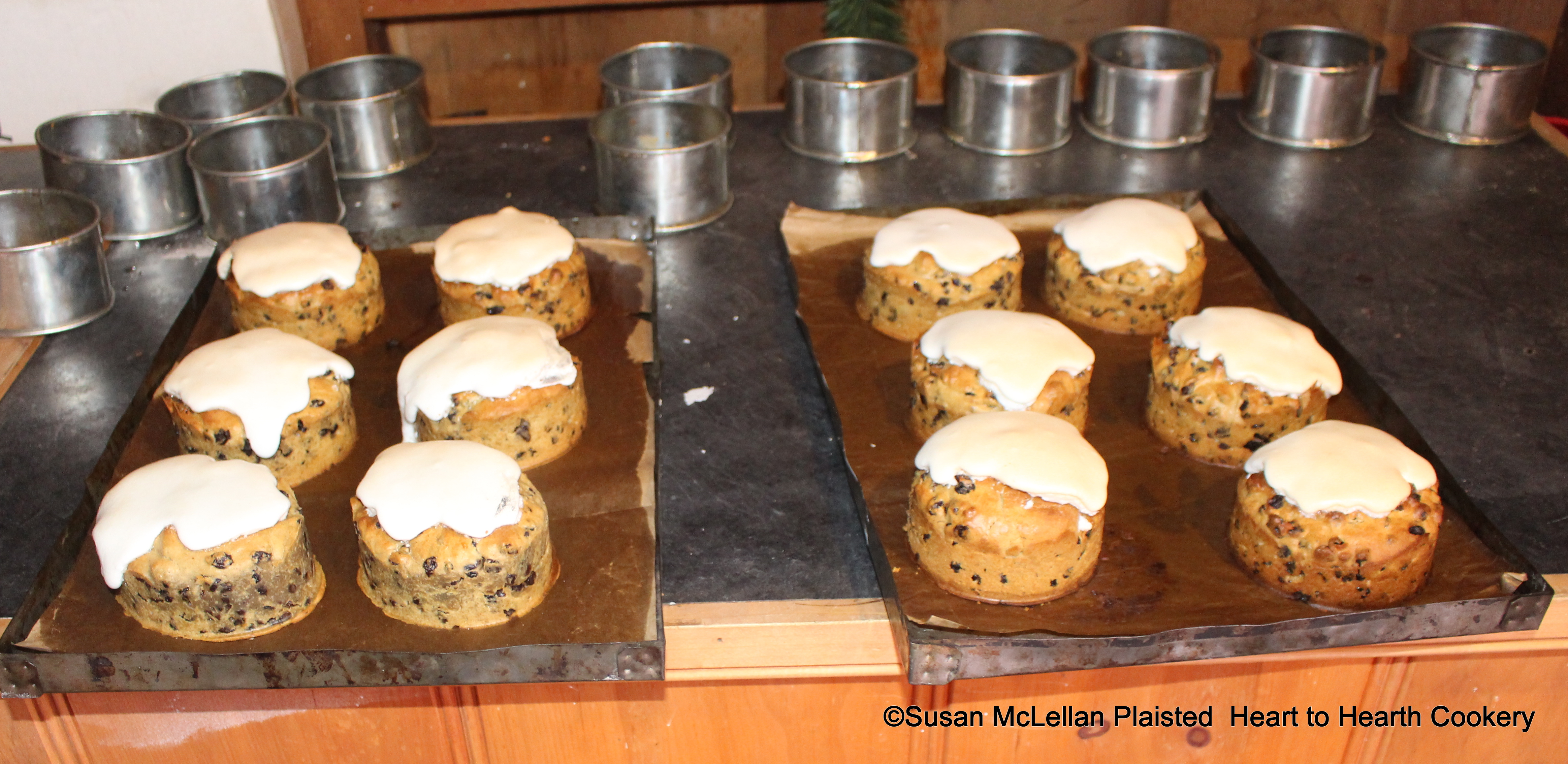
After the individual, small cakes had their cake hoops removed and before they completely cooled, an icing (made from egg white whisked stiff, fine double-refined sugar and rose water) was applied for the receipt (recipe) A Pretty Cake. The tin baking pans are then placed back into a cooler bake oven for a very short time for the icing to set. The icing needs to be more white than attain much brown color.
Visit my website at: www.hearttohearthcookery.com
Posted in Bake oven, Cake hoop, Cakes, culinary history, food, food history, receipts, recipes | Tags: culinary history, food, food history, foodways, Great cakes

After the lined baking tins are out of the oven for the receipt (recipe) A Pretty Cake, the cake hoops are removed as soon as they cool down enough to touch. The same would be done if this great cake receipt had been baked in one large cake hoop.
Visit my website at: www.hearttohearthcookery.com
Posted in Cake hoop, Cakes, culinary history, food, food history, Great cakes, receipts, recipes | Tags: Bake oven, culinary history, food, food history, foodways, Great cakes
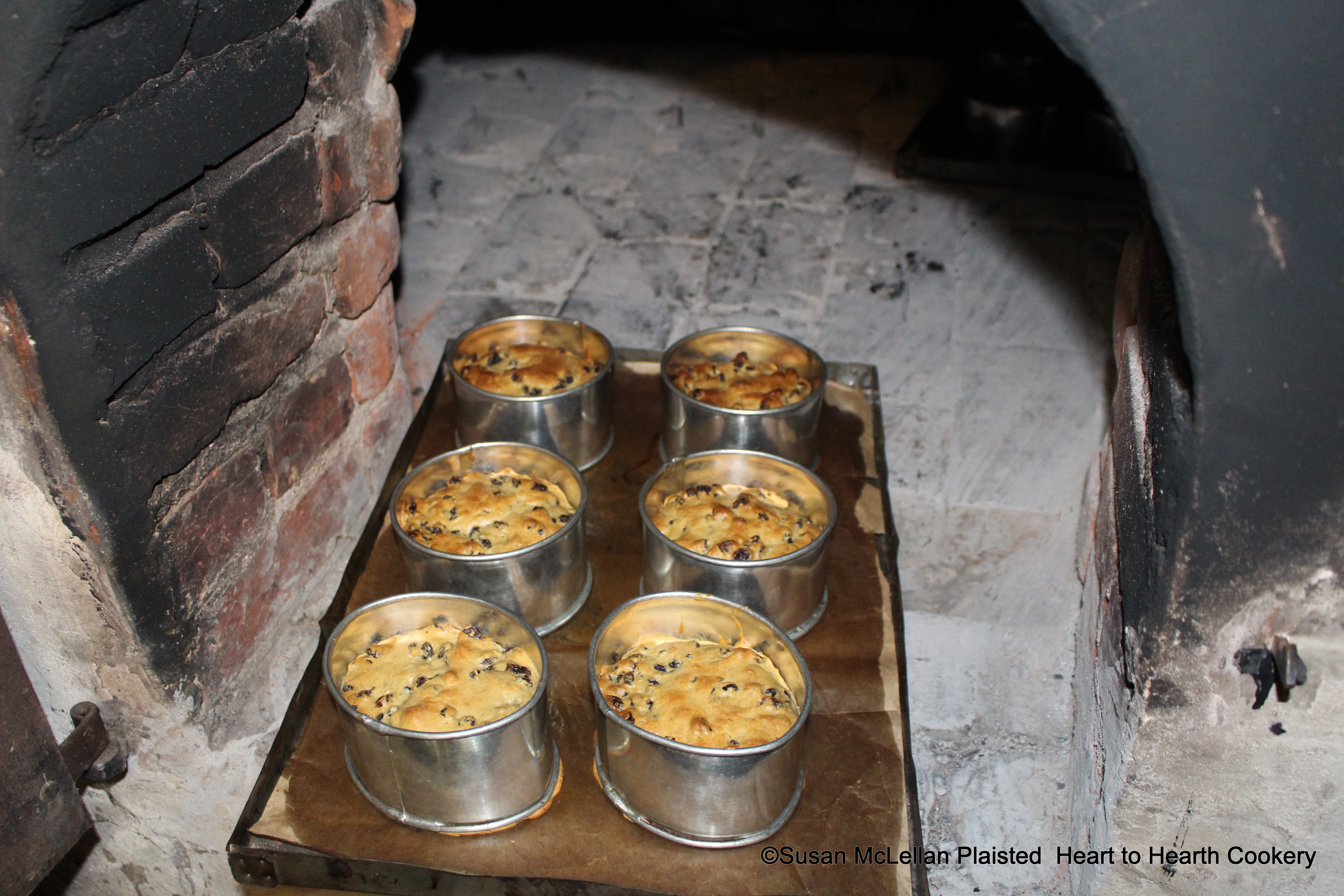
The greased, brown paper lined tin baking sheets with individual cake hoops containing the receipt (recipe) A Pretty Cake were removed from the bake oven when done piping hot.
Visit my website at: www.hearttohearthcookery.com
Posted in Bake oven, Cakes, culinary history, food, food history, receipts, recipes | Tags: Bake oven, culinary history, food, food history, foodways, Great cakes
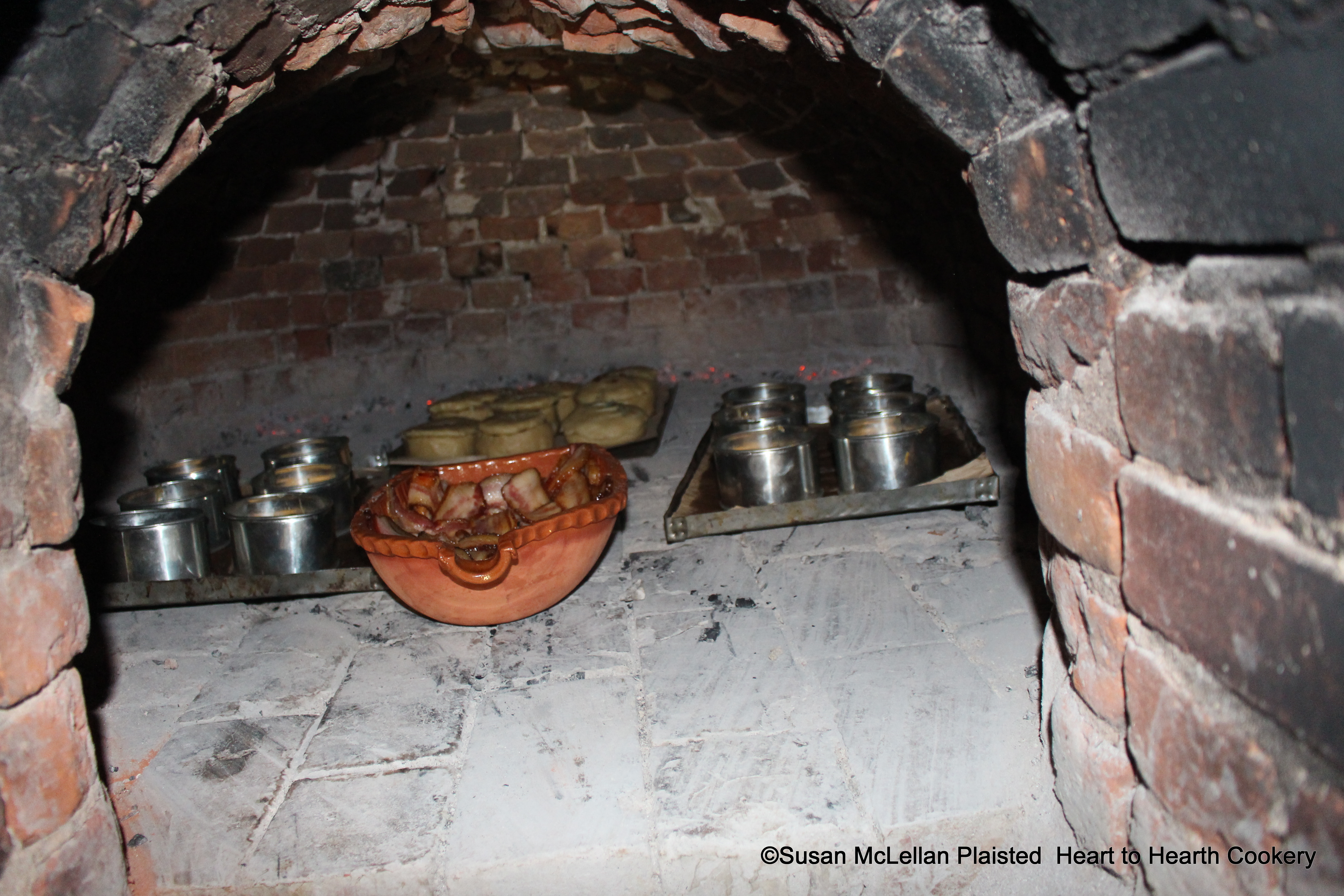
The halved receipt (recipe) for A Pretty Cake filled twelve of my individual cake hoops. The tin baking sheets have been lined with brown paper and buttered and the cakes were baked with other bake oven items after the bake oven was fired, coals pulled, oven floor swabbed, and heat of the oven tested with my arm.
Visit my website at: www.hearttohearthcookery.com
Posted in Bake oven, Cake hoop, Cakes, culinary history, food, food history, receipts, recipes | Tags: Bake oven, culinary history, food, food history, foodways, Great cakes

