T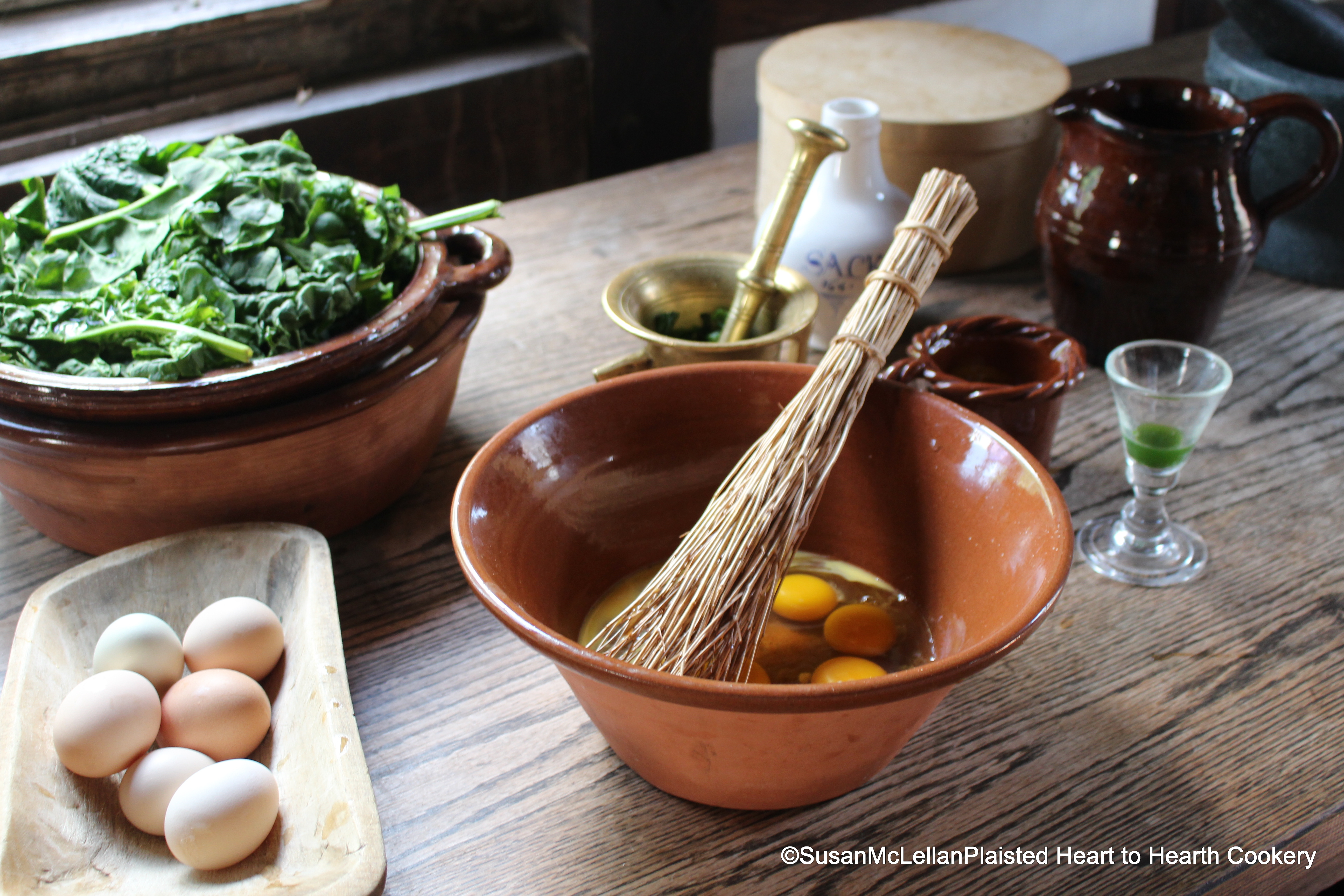 he first step in the preparation of the receipt (recipe), How to make a very good Tansie, is to Take fifteen Eggs, and six of the whites, beat them very well.
Visit my website at: www.hearttohearthcookery.com
The first step in the preparation of the receipt (recipe), How to make a very good Tansie, is to Take fifteen Eggs, and six of the whites, beat them very well.
Visit my website at: www.hearttohearthcookery.com
Posted in culinary history, Eggs, food, food history, receipts, recipes, tansy | Tags: culinary history, food, food history, foodways, tansy
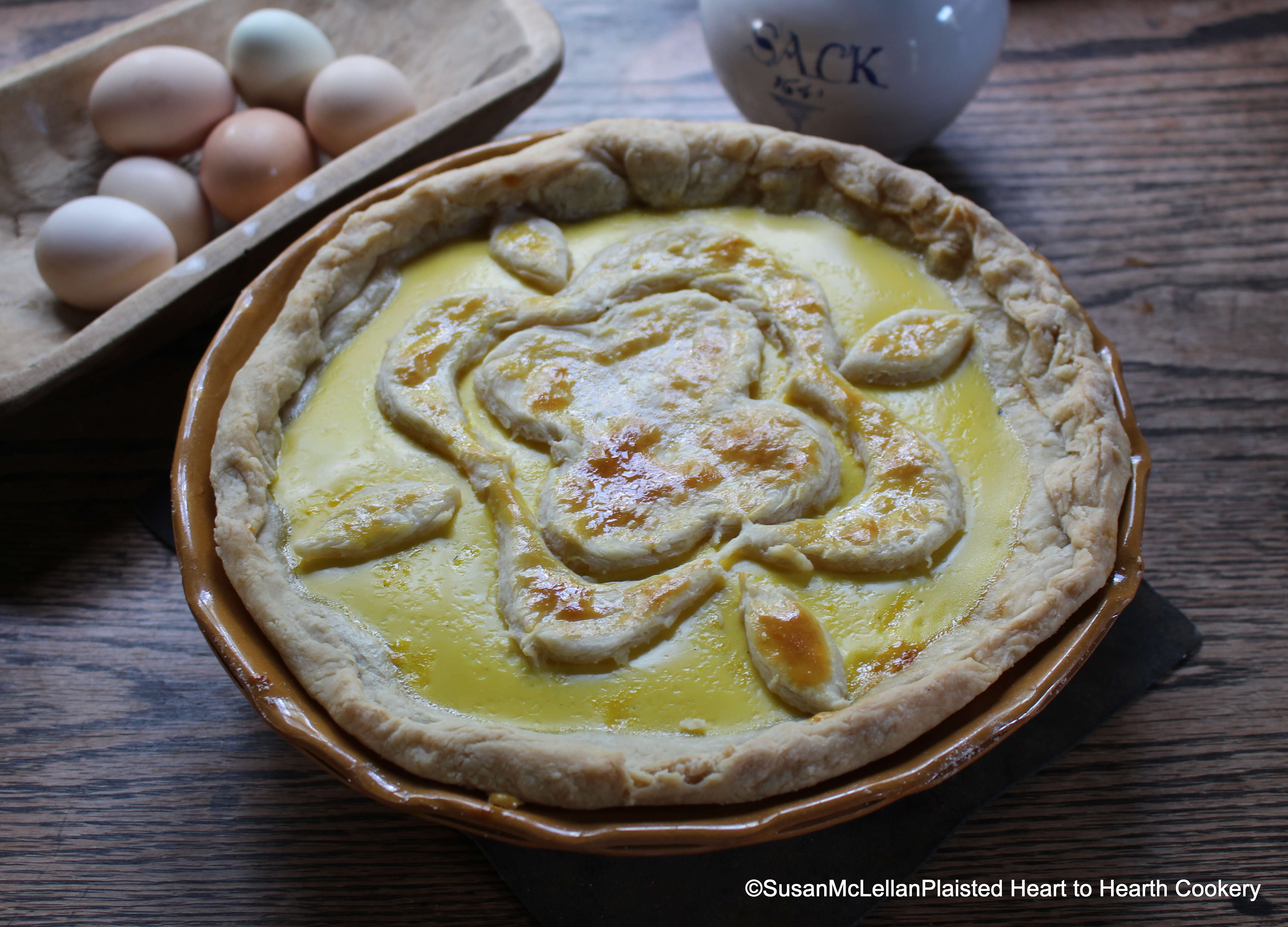
Pictured is the complete tart with form prepared from the receipt (recipe), To make yellow Tart stuffe. The ingredients are four and twenty Eggs, a quart of seething Milk, Sack and Sugar, to your taste.
Visit my website at: www.hearttohearthcookery.com
Posted in culinary history, Eggs, food, food history, receipts, recipes, tarts | Tags: culinary history, food, food history, foodways
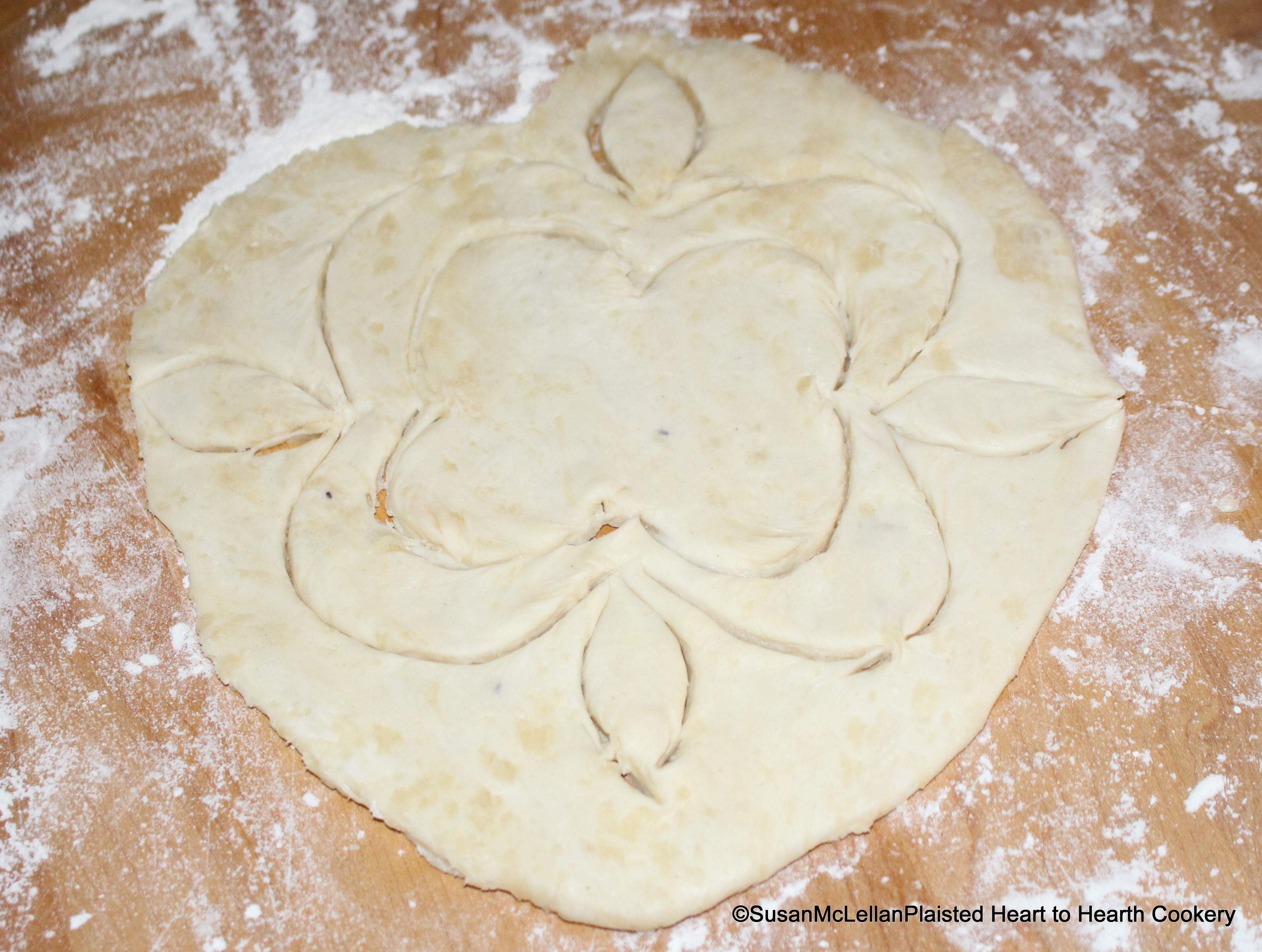
The form for an egg tart is cut from the paste for the tart being prepared from the receipt (recipe): To make yellow Tart Stuffs. This will be placed on the completed tart prior to baking.
Visit my website at: www.hearttohearthcookery.com
Posted in culinary history, Eggs, food, food history, receipts, recipes, tarts | Tags: culinary history, food, food history, foodways

The four and twenty eggs beaten for the receipt (recipe) To make yellow Tart stuffe, were put into a quart of seething Milk which were stirred until it caudled.
Visit my website at: www.hearttohearthcookery.com
Posted in culinary history, Eggs, food, food history, receipts, recipes | Tags: culinary history, food, food history, foodways
 The receipt (recipe), To make yellow Tart stuffe, starts : Take four and twenty Eggs, and beat them with salt together. All the eggs for this receipt came from a variety of heirloom hens in varying sizes and egg shell color.
Visit my website at: www.hearttohearthcookery.com
Posted in culinary history, Eggs, food, food history, receipts, recipes | Tags: culinary history, food, food history, foodways

After the gilliflowers and sugar have been layered into the gally pots for the receipt (recipe) To doe Clove-gilliflowers up for salletting all the year, the directions state to then pour some Claret Wine into them as much as will cover them down. The gally pot pictured at the far right, has had the claret wine poured in.
Visit my website at: www.hearttohearthcookery.com
Posted in clove gillyflowers, culinary history, food, food history, Gally pot, receipts, recipes | Tags: culinary history, food, food history, Food preservation, foodways
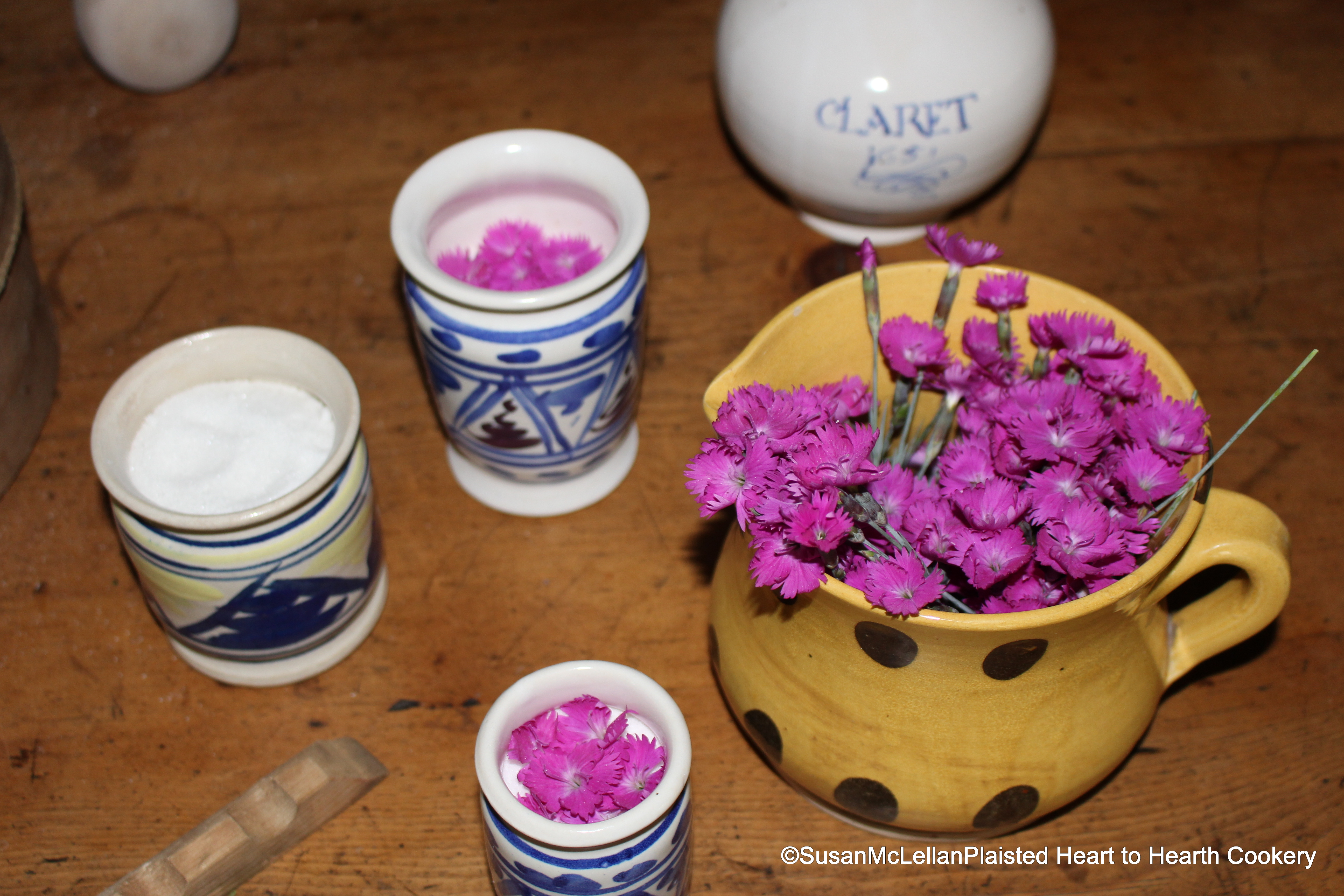
First a lane of Sugar and then a lane of Gilliflowers, and so doe till all the Gilliflowers be done for the receipt (recipe): To doe Clove-gilliflowers up for salletting all the year. Each gally pot in the picture is at a different stage of layering.
Visit my website at: www.hearttohearthcookery.com
Posted in clove gillyflowers, culinary history, food, food history, Gally pot, receipts, recipes | Tags: culinary history, food, food history, Food preservation, foodways
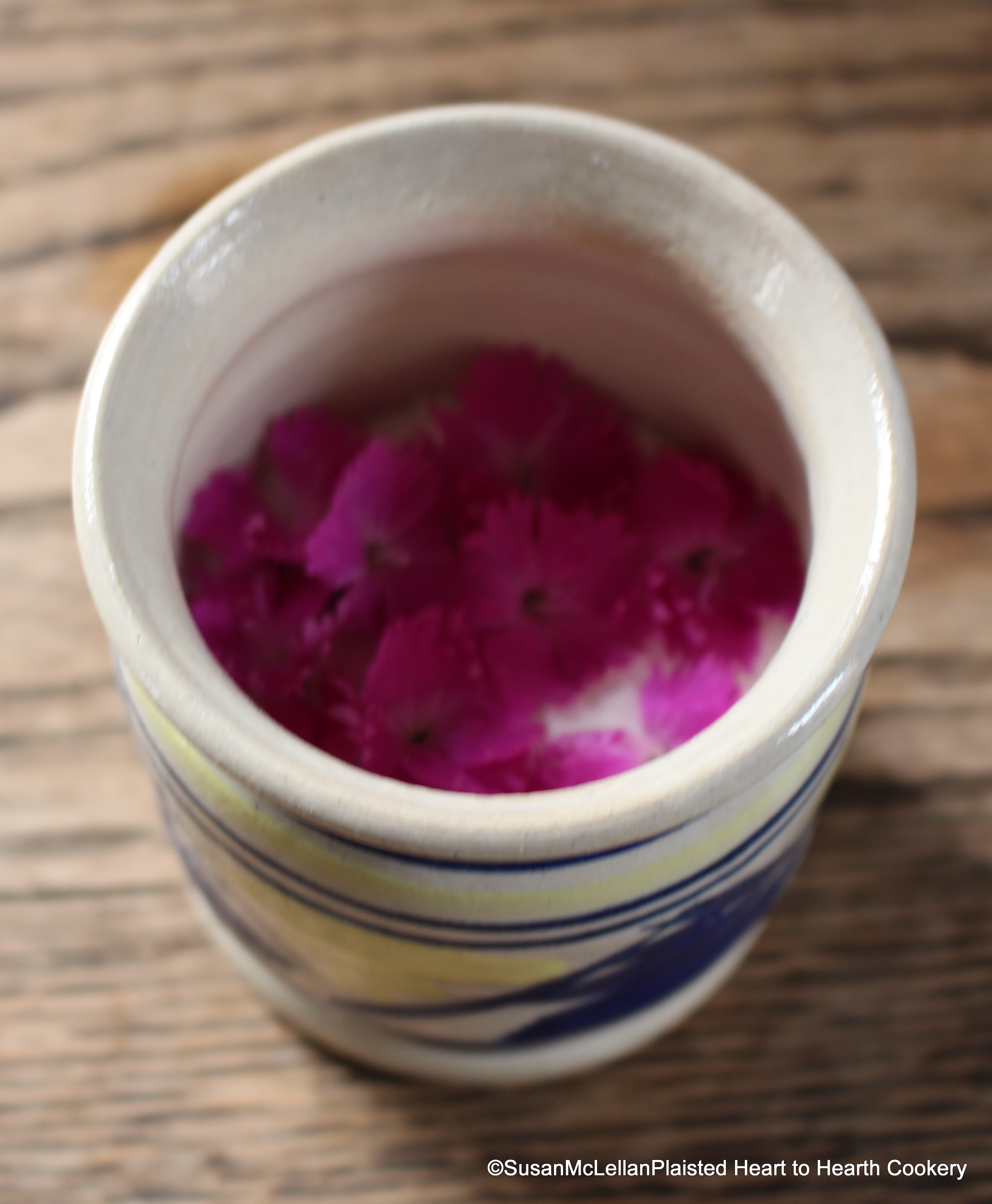
After sugar is strewn into the bottome of the gallipot, the receipt (recipe) for To doe Clove-gilliflowers up for salletting all the year, directs then a lane of Gilliflowers, and then a lane of Sugar, and so doe till all the Gilliflowers be done.
Visit my website at: www.hearttohearthcookery.com
Posted in clove gillyflowers, culinary history, food, food history, Gally pot, receipts, recipes | Tags: culinary history, food, food history, Food preservation, foodways
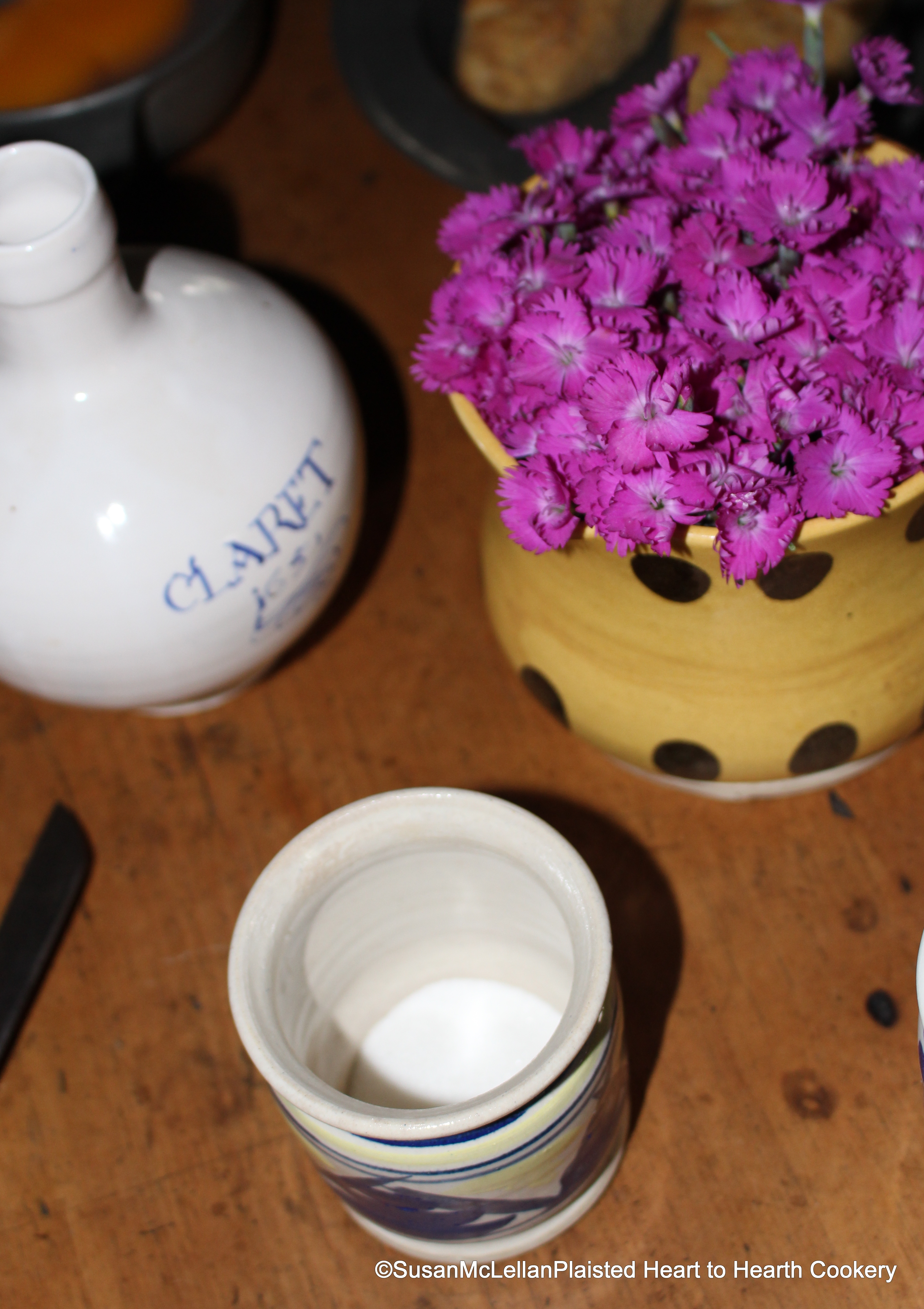
For the receipt (recipe), To doe Clove-gilliflowers up for salletting all the year, first you Take as many Clove-gilliflowers as you please, and slip off the leaves, then strow some Sugar in the bottome of the gallipot. The gallipot pictured has a layer of sugar in the bottom.
Visit my website at: www.hearttohearthcookery.com
Posted in clove gillyflowers, culinary history, food, food history, Gally pot, Preserving with sugar, receipts, recipes | Tags: culinary history, food, food history, foodways
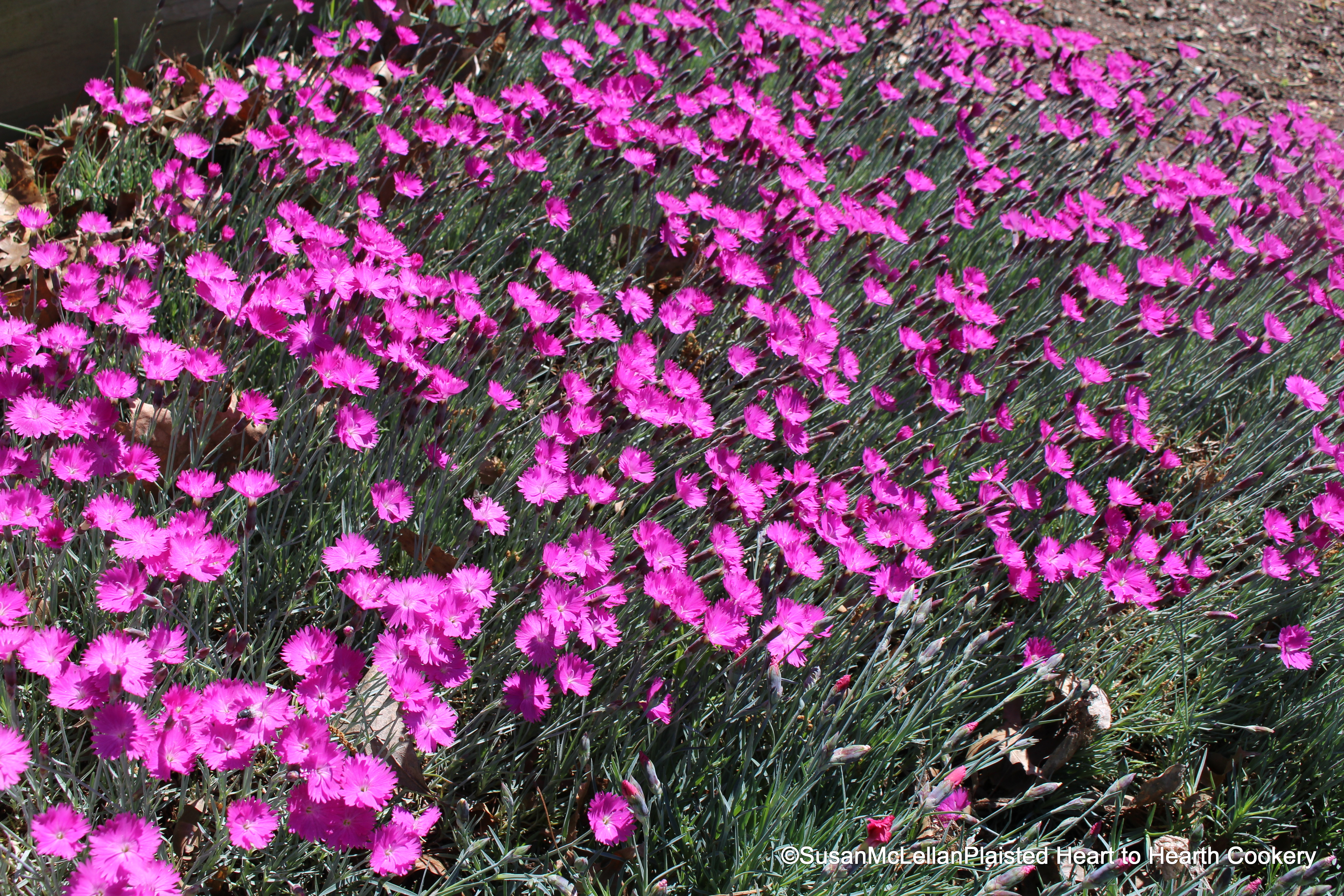
The clove gillyflower is what is known as the clove-scented pink (Dianthus caryophyllus). Gilly(which is pronounced jilly) comes from the French word girofle, clove.
Visit my website at: www.hearttohearthcookery.com
Posted in clove gillyflowers, culinary history, Edible flowers, food, food history | Tags: culinary history, food, food history, foodways
 Heart to Hearth Cookery