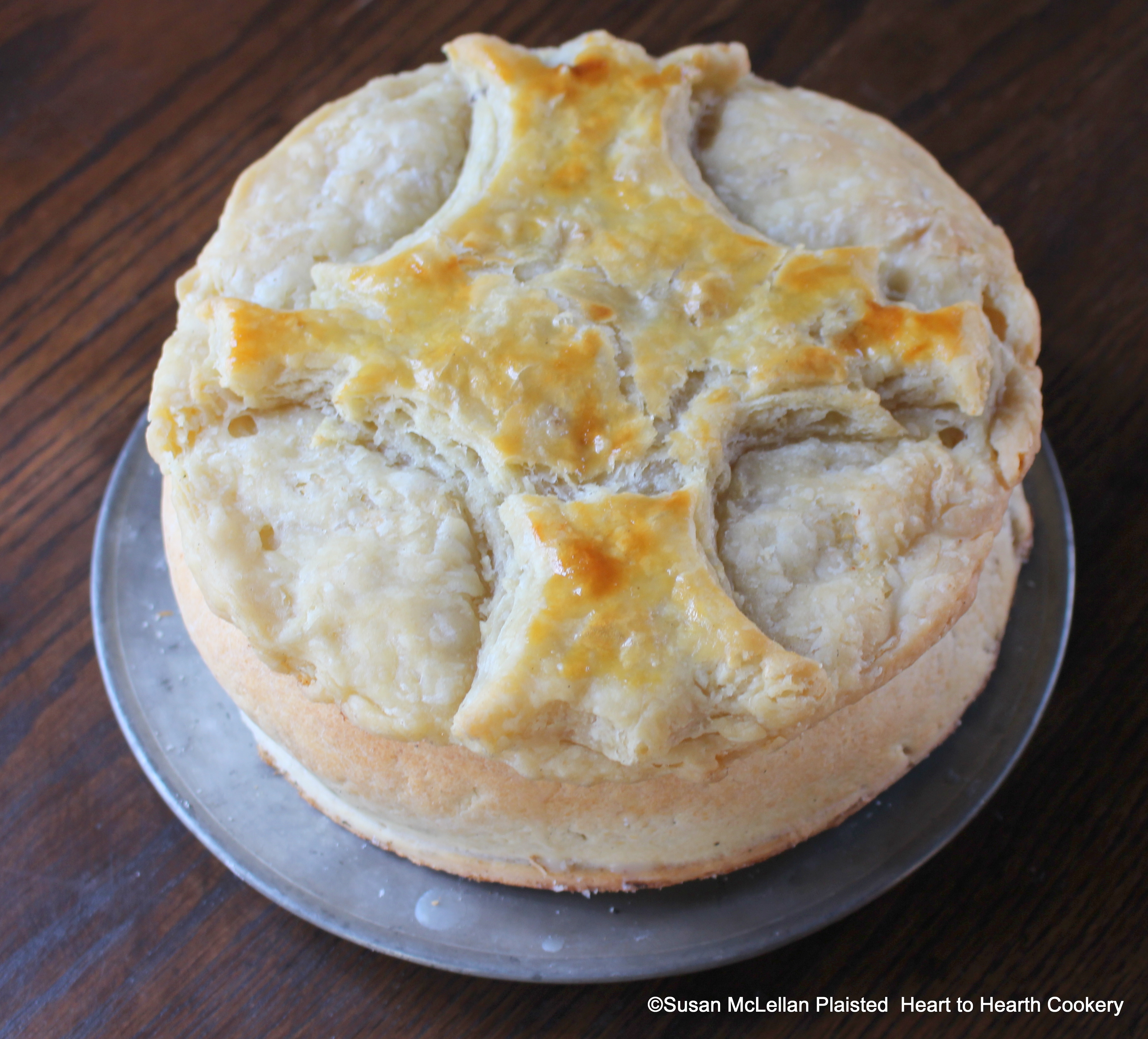
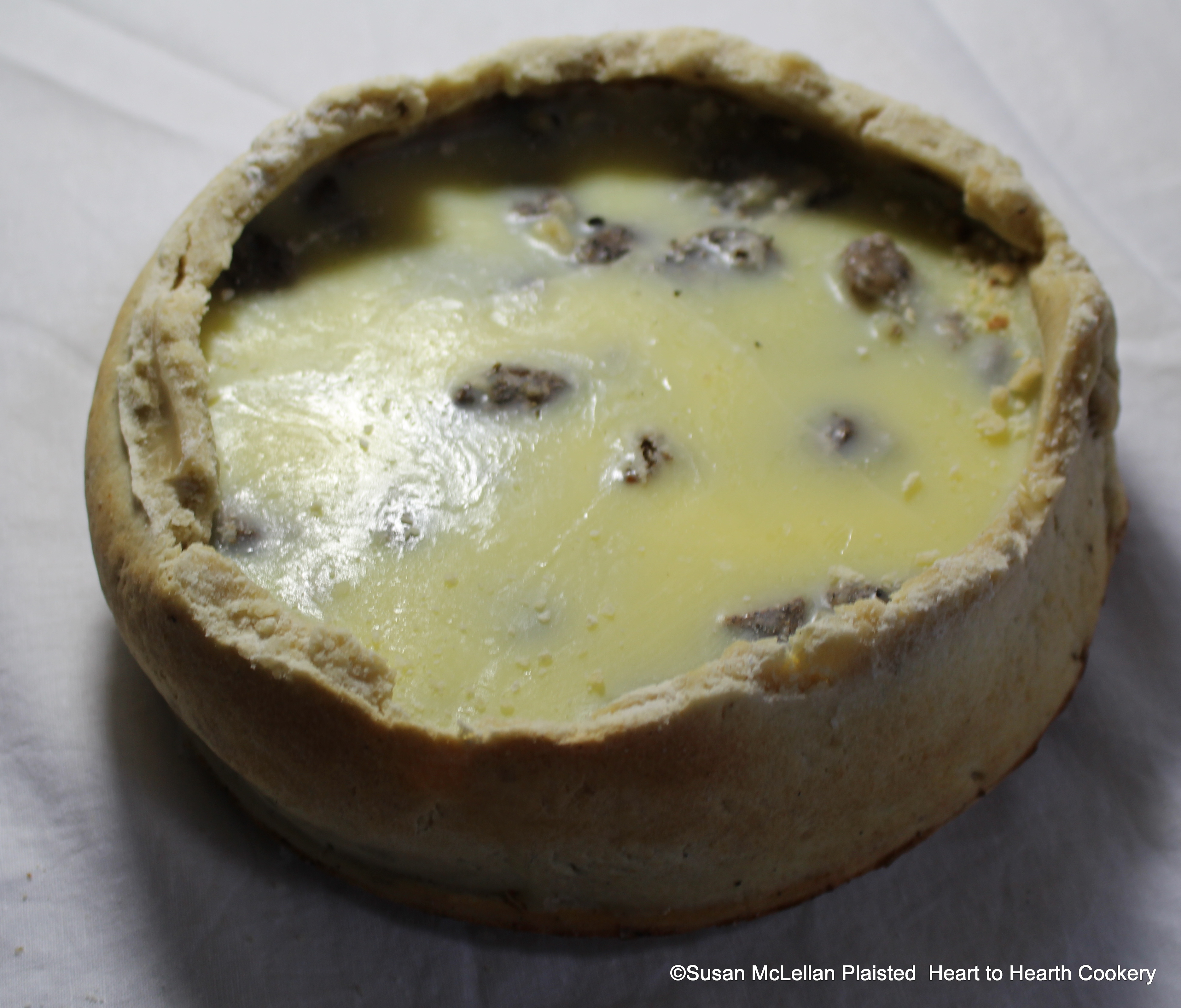
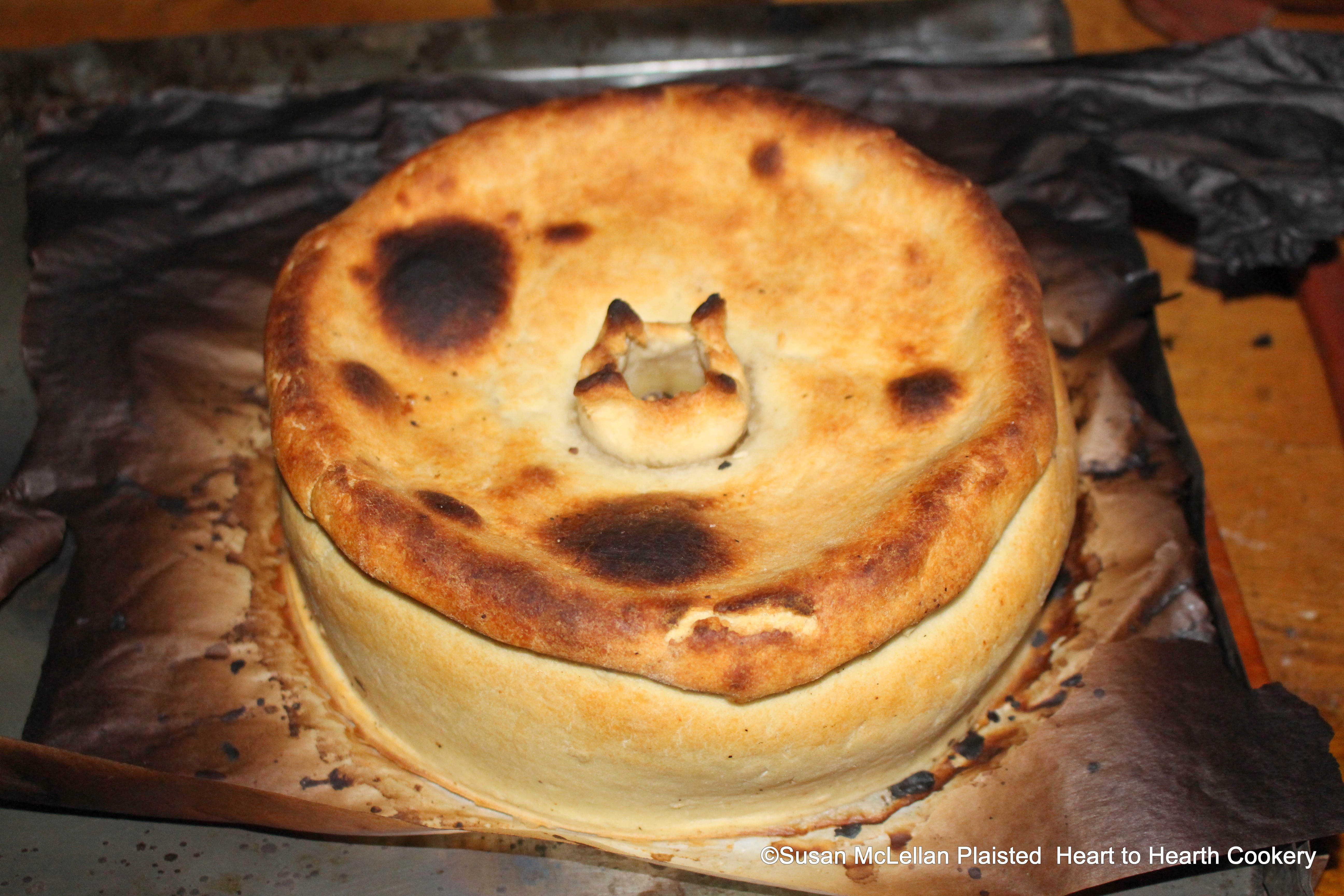
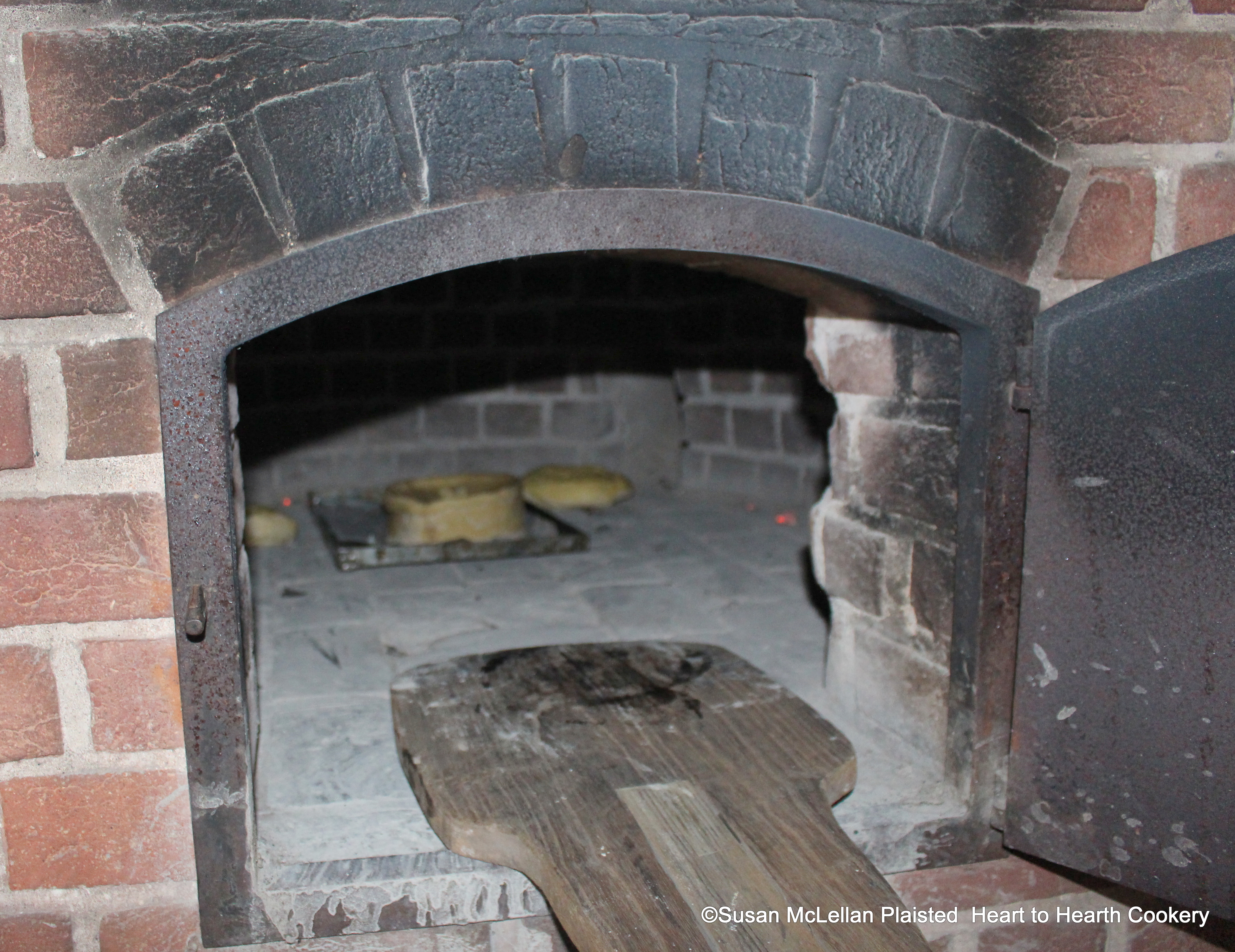
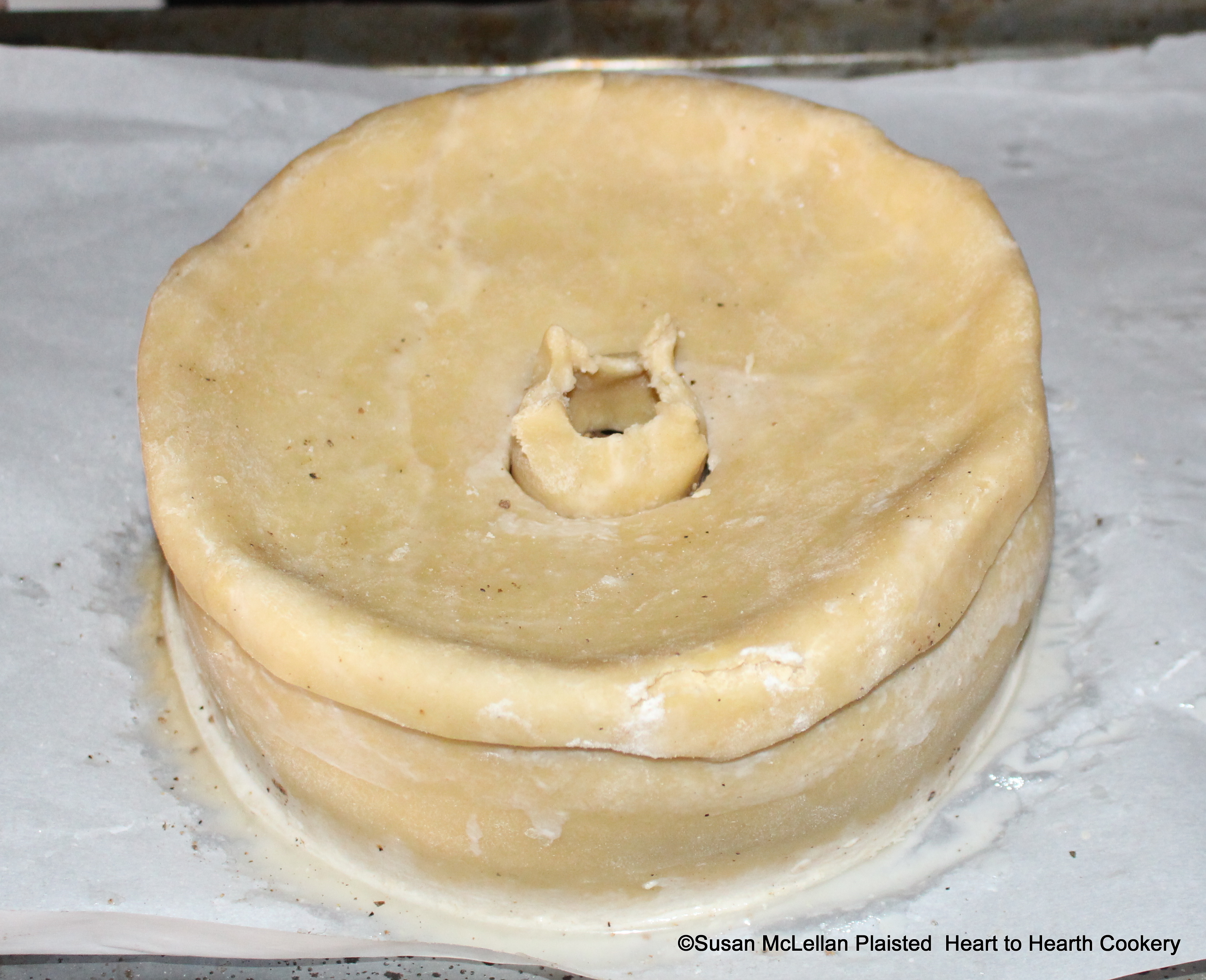
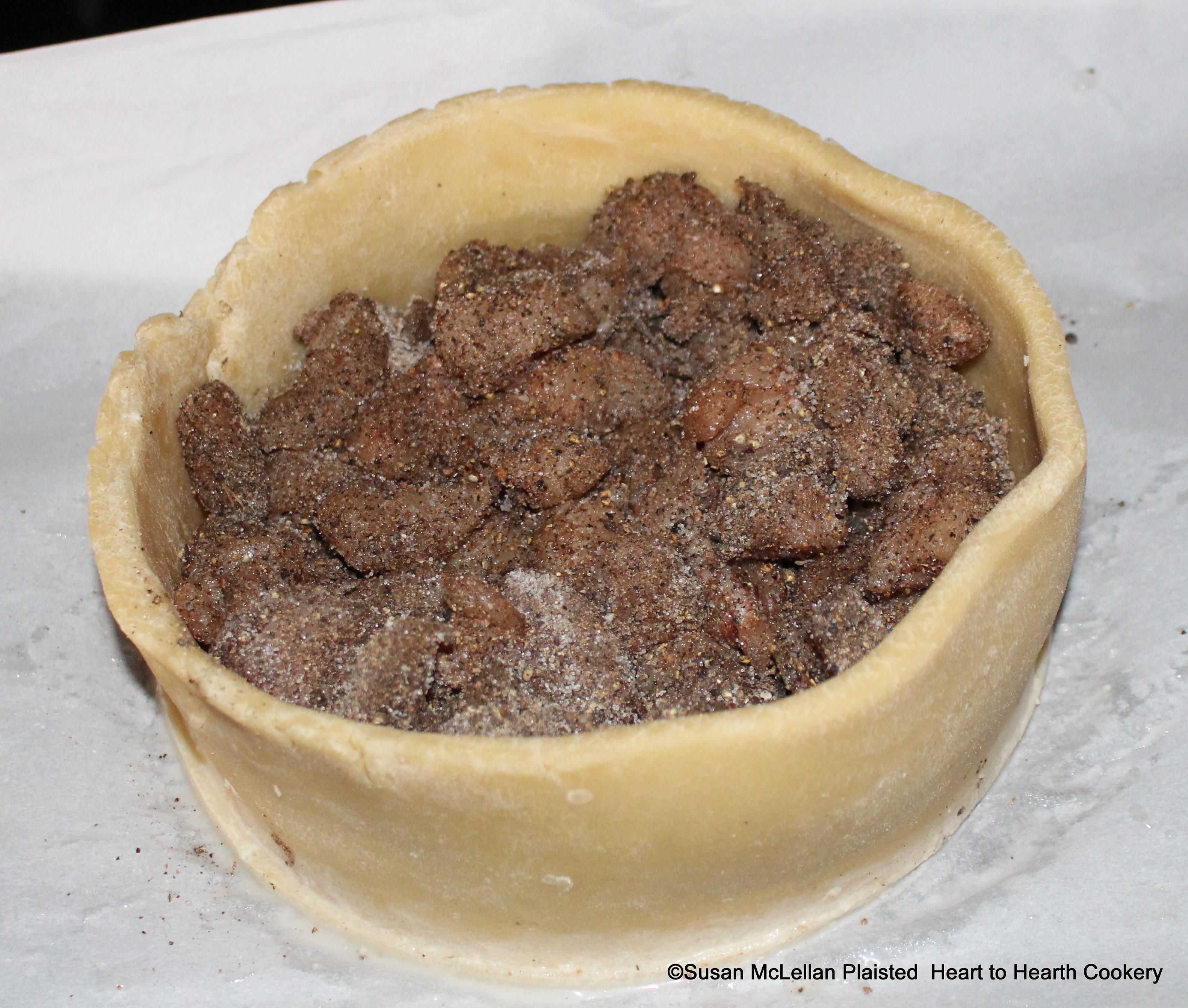
My fall 2016 quince kept well and were used to prepare the receipt (recipe), To make a Quince pudding, in January 2017.
Visit my website for the listing of 2017 hearth cooking classes and workshops: www.hearttohearthcookery.com
My fall 2016 quince kept well and were used to prepare the receipt (recipe), To make a Quince pudding, in January 2017.
Visit my website for the listing of 2017 hearth cooking classes and workshops: www.hearttohearthcookery.com
Posted in culinary history, food, food history, Puddings, Quince | Tags: culinary history, food, food history, foodways
The Dutch receipt (recipe), To make a Hutspot from a Capon, consists of crumbs of White-bread, Cinnamon, Ginger, Saffron, Sugar, Marrow from Marrow-bones, Dates and slices of Lemon. Pictured is the receipt presented on the table.
Visit my website for the listing of 2017 hearth cooking classes and workshops: www.hearttohearthcookery.com
Posted in Capon, culinary history, Dutch foodways, food, food history, receipts, recipes | Tags: culinary history, Dutch, food, food history, foodways
After the pieces of Capon are well-done, the crumbs of White-bread, Cinnamon, Ginger, Saffron, Sugar, Marrow , Dates, and slices of lemon are combined with the Capon for the receipt (recipe), To make a Hutspot from a Capon; let it stew for half an hour in a pan.
Visit my website for the listing of 2017 hearth cooking classes and workshops: www.hearttohearthcookery.com
Posted in Capon, culinary history, Dutch foodways, food, food history, receipts, recipes | Tags: culinary history, Dutch, food, food history, foodways
For the Dutch receipt (recipe), To make a Hutspot from a Capon, after the Capon has been chopped into pieces and cooked well-done, take then crumbs of White-bread, Cinnamon, Ginger, Saffron, Sugar, and Marrow from Marrow-bones with some Dates from which the stones have been removed and slices of lemon.
Visit my website for the listing of 2017 hearth cooking classes and workshops: www.hearttohearthcookery.com
Posted in Capon, culinary history, Dates, Dutch foodways, food, food history, Marrow, receipts, recipes | Tags: culinary history, Dutch, food, food history, foodways
For the Dutch receipt (recipe), To make a Hutspot from a Capon, the Capon is first chopped into pieces, and then cooked in water until well done.
Visit my website for the listing of 2017 hearth cooking classes and workshops: www.hearttohearthcookery.com
Posted in Capon, culinary history, Dutch foodways, food, food history, receipts, recipes | Tags: culinary history, Dutch, food, food history, foodways
For the Dutch receipt (recipe), To make a Hutspot from a Capon, the first step is Take a capon, which is a castrated domestic rooster fattened for eating. Those of us that have plucked many roosters know that only one is necessary for a flock and the flesh needs to be stewed. By castrating the males early, the flesh is much improved and more tender.
Visit my website for the listing of 2017 hearth cooking classes and workshops: www.hearttohearthcookery.com
Posted in Capon, culinary history, Dutch foodways, food, food history, receipts, recipes | Tags: culinary history, Dutch, food, food history, foodways
When the slices of Jerusalem Artichokes, onion, are fried with very fresh butter, salt, butter and vinegar are well fried for the receipt (recipe) of the same name Jerusalem Artichokes, it is served with a little nutmeg.
Visit my website for the listing of 2017 hearth cooking classes and workshops: www.hearttohearthcookery.com
Posted in culinary history, food, food history, French foodways, Jerusalem artichokes, receipts, recipes | Tags: culinary history, food, food history, foodways
After the Jerusalem artichokes have been roasted in the embers, and cut in slices, the next step for the French receipt (recipe) named, Jerusalem Artichokes, is to fry them with very fresh butter, an onion, salt, pepper and vinegar.
Visit my website for the listing of 2017 hearth cooking classes and workshops: www.hearttohearthcookery.com
Posted in culinary history, food, food history, French foodways, Jerusalem artichokes, receipts, recipes, spider | Tags: culinary history, food, food history, foodways
After the Jerusalem artichokes have been well baked in the embers for the French receipt (recipe) with the same name, Jerusalem Artichokes, the directions state to pare and cut them in round slices.
Visit my website for the listing of 2017 hearth cooking classes and workshops: www.hearttohearthcookery.com
Posted in culinary history, food, food history, French foodways, Jerusalem artichokes, receipts, recipes | Tags: culinary history, food, food history, foodways
The first step in the French receipt (recipe) for Jerusalem Artichokes is to bake them in the embers. A fresh coal shovel full of glowing embers was laid on the hearth and the tubers rotated every so often until tender.
Visit my website for the listing of 2017 hearth cooking classes and workshops: www.hearttohearthcookery.com
Posted in culinary history, food, food history, French foodways, Jerusalem artichokes, receipts, recipes | Tags: culinary history, food, food history, foodways