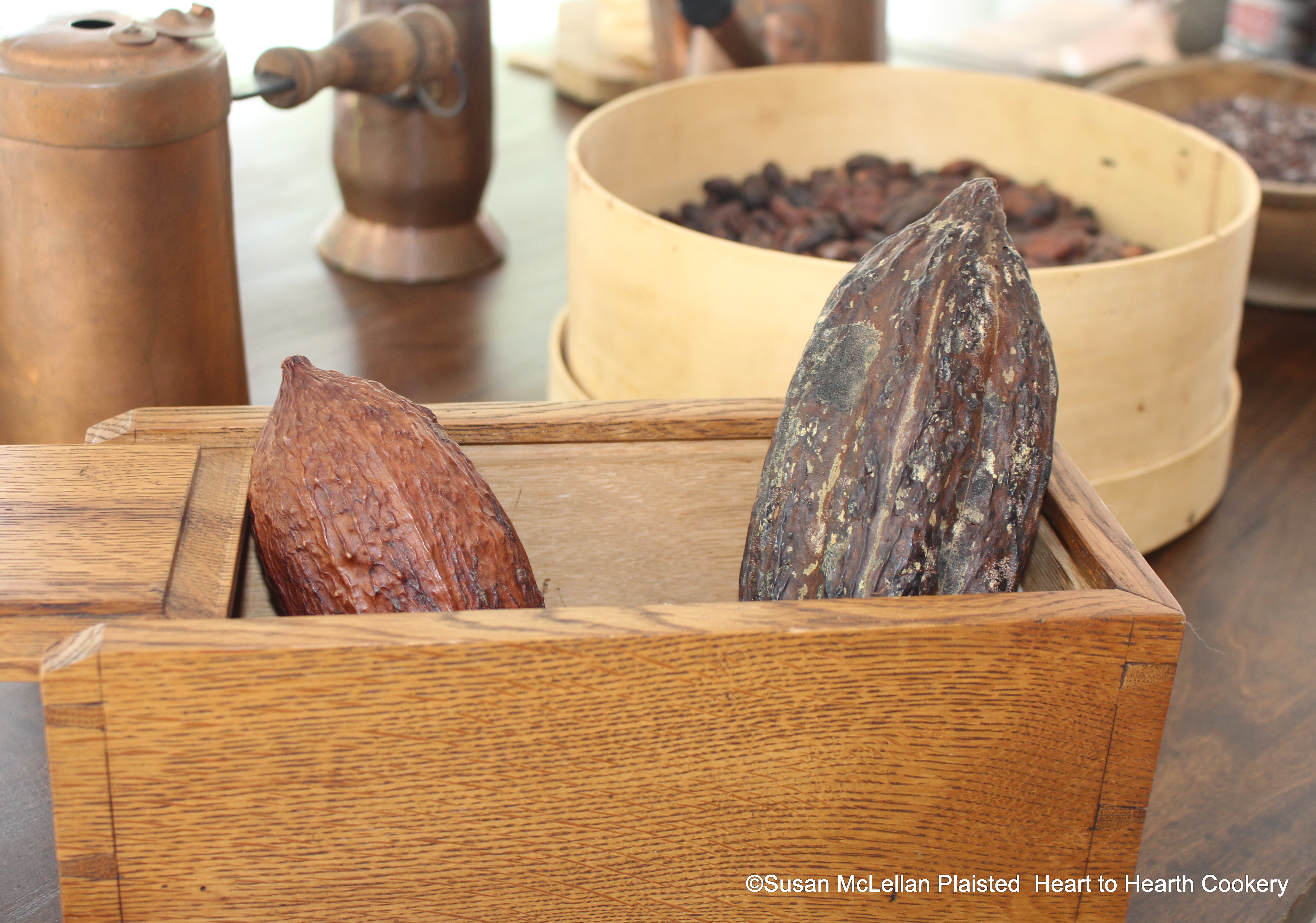
From Cacao to Chocolate
How did a bitter seed become the chocolate that so many of us love? Find out this and more with this presentation. The New World cacao bean traveled to Europe and back and changed from beverage to bar. You will visit cacao plantations in Mexico and learn the process from bean to chocolate. This presentation has the option of samples of a receipt (recipe) for chocolate.
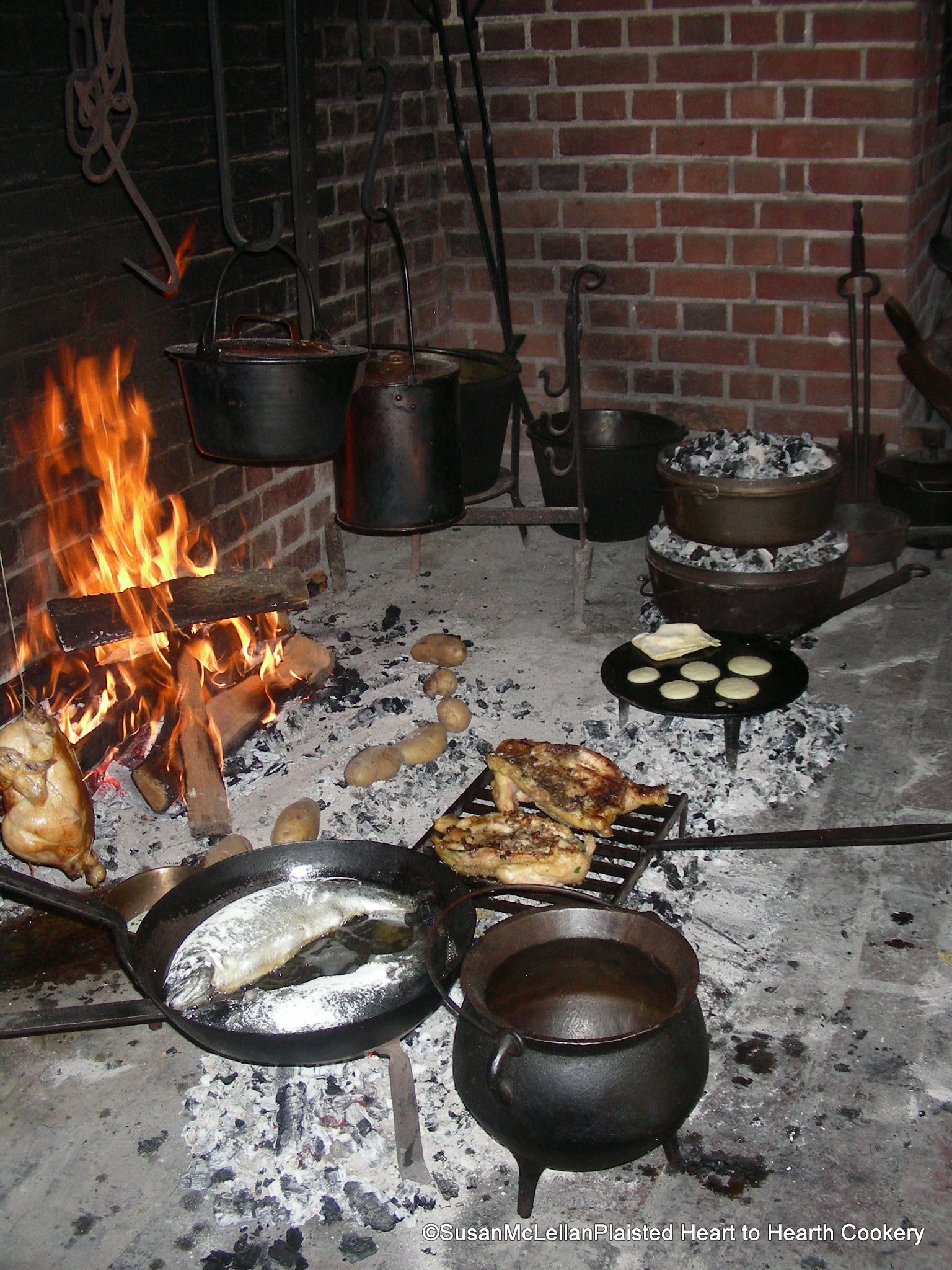
18th Century Hearth
From hearth with lugpole to clock jack spit, this slide presentation shows the great versatility of the hearth, the use of the bake oven and hearth cooking equipment.

18th Century Bill of Fare
Seasonality was the key word in what was placed on the 18th century table. This slide program takes the audience through the bread baking, cheese making, beer making processes and symmetrically appointed dining experiences.

Dining With William Penn
Explore the foodways of the famous English Quaker William Penn (the founder and first Governor of Pennsylvania), with visuals of his favorite beverages and seasonal bill of fares. This slide series brings the audience to the Kitchen House of Pennsbury Manor to show the preparation techniques and finished products.
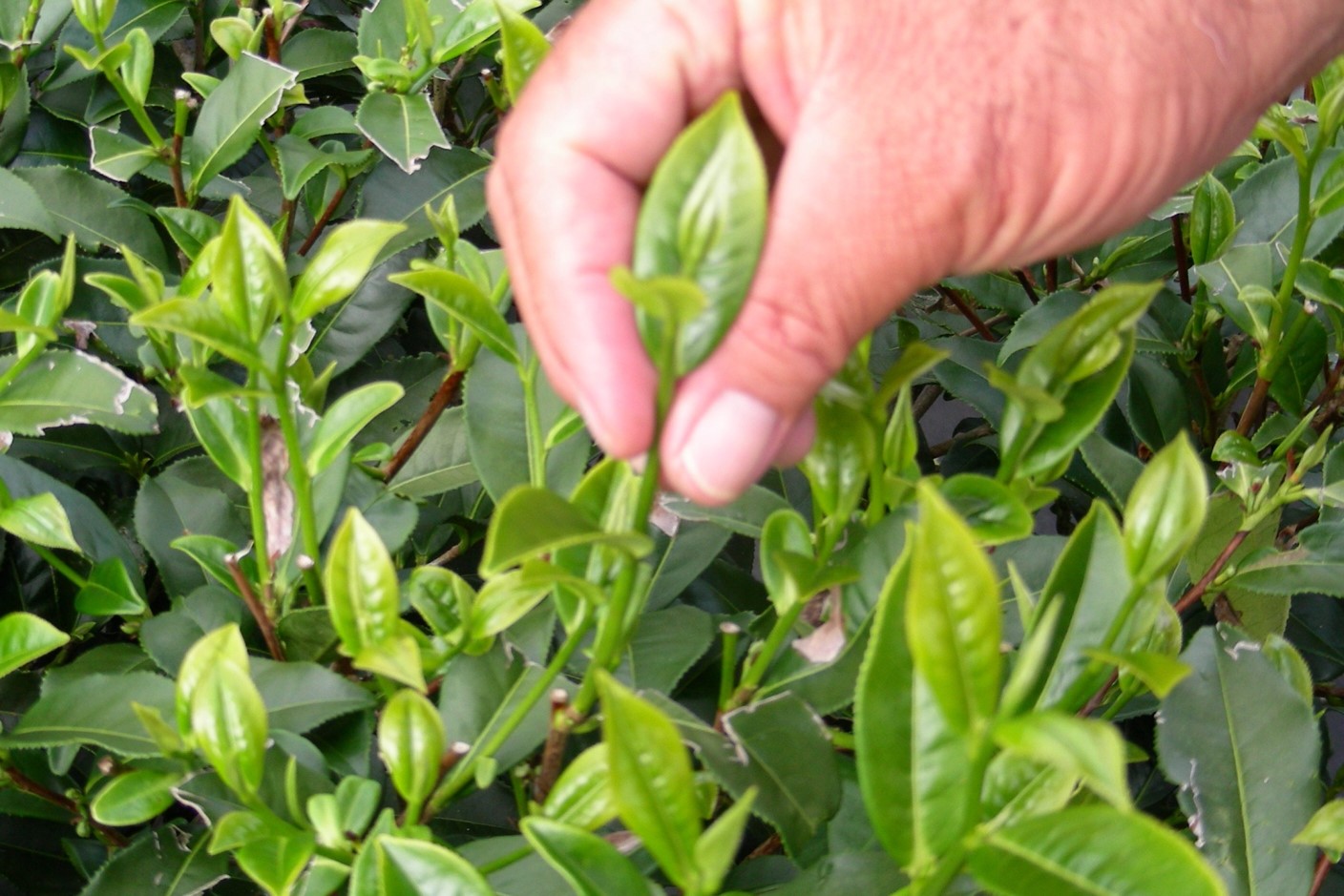
Tea in the 18th Century
What were the teas that the colonists partook? How is tea grown, harvested, and processed? And what is a mote spoon? You will learn this and more about tea and tea etiquette in the 18th century. This power point presentation has the option of tastings of 18th century teas.
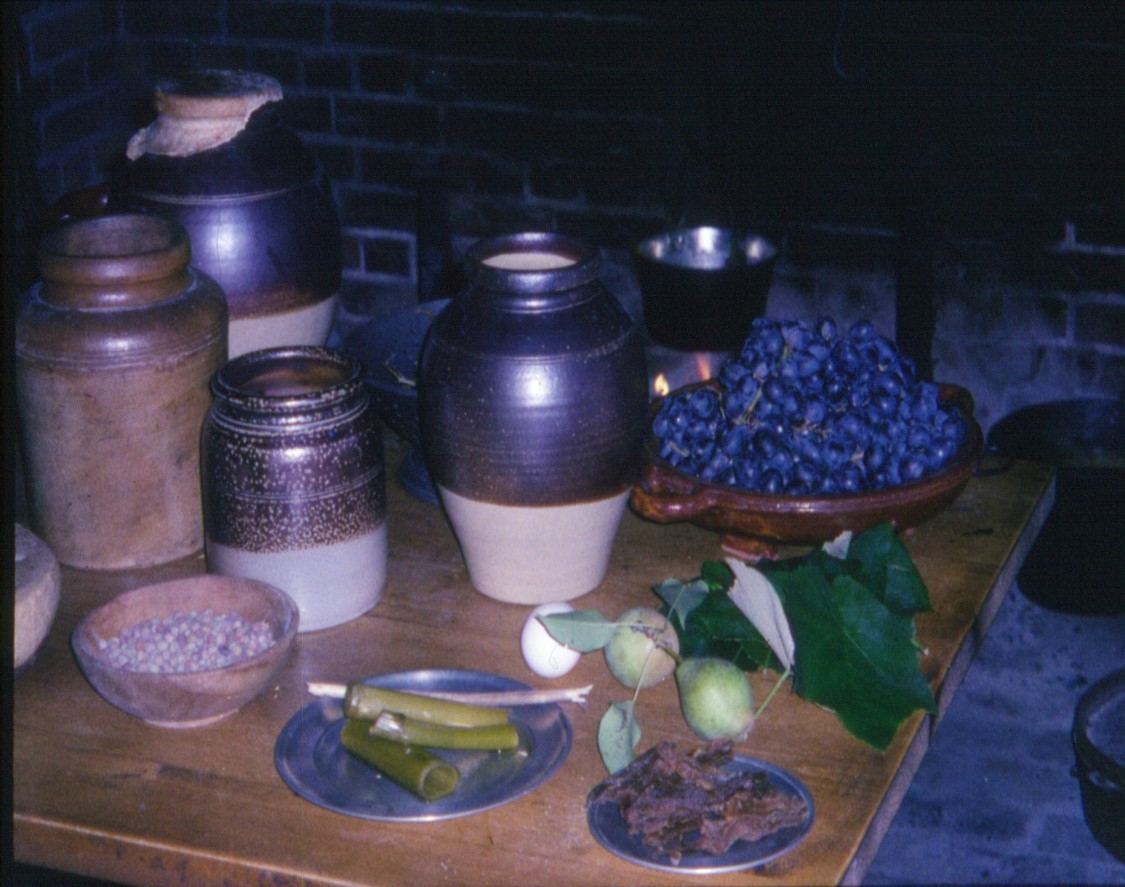
Food Preservation in the 18th Century
When thinking about 18th century food preservation typically only a few methods of long term storage come to mind. In this presentation, Susan will explore a multitude of historical techniques used in both long and short term storage providing a comprehensive view of the sophistication of past practices in preserving food.

Corn: Unraveling the Mysteries and Cornfusion
Almost everyone is familiar with corn and enjoys the sweet taste in season. But what is blue corn or green corn? Why are there so many colors? What makes popcorn pop? These questions and more are answered in this presentation as what is known as corn is traced from its roots. There is more to corn than one would expect.
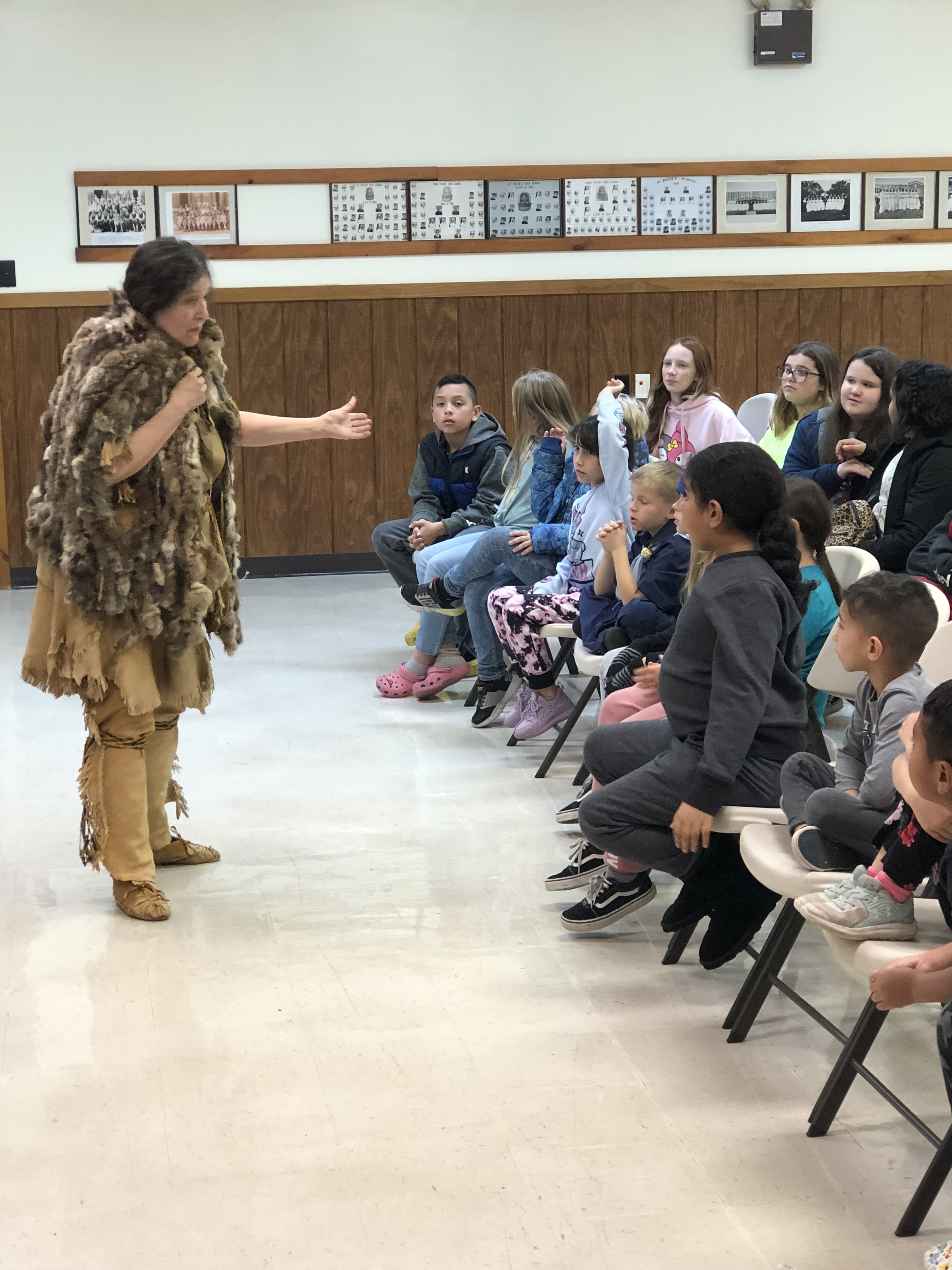
Lenape Foodways
There are a variety of options for Lenape lectures and presentations from power point slides that include both lifeways and foodways and interactive presentations for small groups. Please contact Susan foodhxsmp@gmail.com with questions about programming.
 Heart to Hearth Cookery